 Magic Heidi
 Digitaler Treuhänder in Winterthur
Moderne Treuhand für Buchhaltung, MWST & Lohn
Wie digitale Treuhand in der Schweiz funktioniert, was sie kostet, Compliance-Updates (MWST online) und wie Sie den richtigen Anbieter wählen.

Digitaler Treuhänder Winterthur: Wie digitale Treuhand KMU, Startups & Freelancern hilft, Finanzen effizienter zu führen
Winterthur hat eines der dynamischsten KMU-Ökosysteme in der Region Zürich – Startups, Handwerksbetriebe, Agenturen, Arztpraxen, E-Commerce-Shops und Selbstständige stehen alle unter demselben Druck: mehr erreichen mit weniger Zeit.
Genau deshalb steigt die Nachfrage nach einem digitalen Treuhänder in Winterthur (französisch: fiduciaire numérique Winterthour). Digitale Treuhand-Dienstleistungen ersetzen papierbasierte Administration durch sichere, grösstenteils online Workflows – damit Sie Buchhaltung, MWST, Lohn, Jahresabschluss und Steuern im Griff haben, ohne ständiges Hin und Her.
Dieser Ratgeber erklärt:
- Was «digitaler Treuhänder» in der Schweiz bedeutet (und was nicht)
- Die echten Vorteile – und die Kompromisse
- Typische Preismodelle und was die Kosten beeinflusst
- Schweizer Compliance-Themen, die Sie kennen sollten (inkl. MWST online)
- Eine praktische Checkliste zur Wahl des richtigen Anbieters in/um Winterthur
- Ein klarer nächster Schritt für Offerte und reibungslosen Wechsel
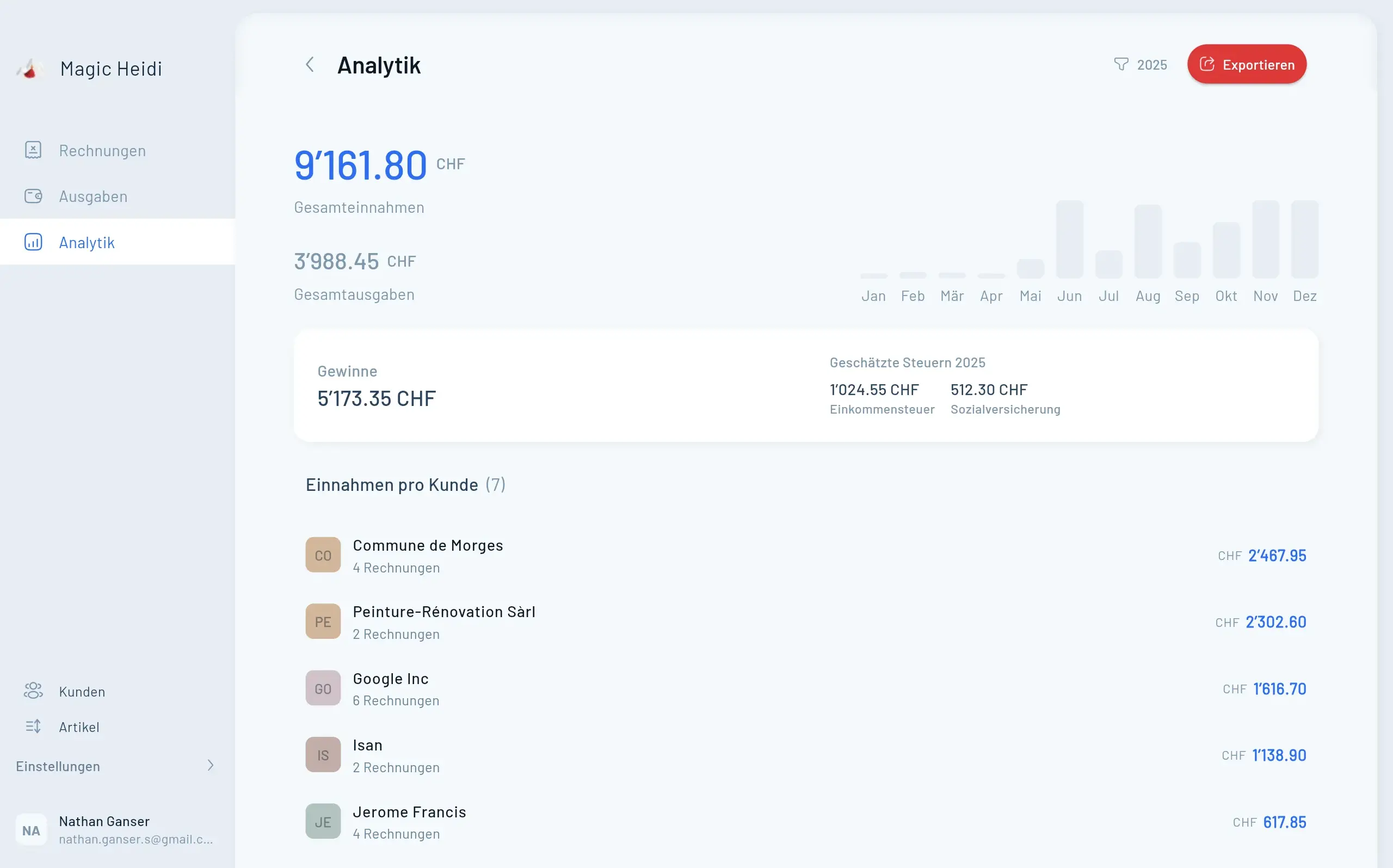
Was ist ein digitaler Treuhänder in der Schweiz?
Ein digitaler Treuhänder ist ein Treuhand-Anbieter, der klassische Treuhand-Dienstleistungen über Digital-first-Prozesse erbringt: Cloud-Buchhaltung, Online-Dokumentenaustausch, elektronische Freigaben und strukturierte Zusammenarbeit.
Was ein digitaler Treuhänder typischerweise abdeckt
Die meisten digitalen Treuhänder bieten denselben Kernumfang wie traditionelle Firmen:
- Buchhaltung (comptabilité): Transaktionen verbuchen, Abstimmungen, Periodenabschlüsse
- MWST (TVA): Methodenwahl, Abrechnungen, Kontrollen, Korrespondenz
- Lohnbuchhaltung (gestion des salaires): Lohnabrechnungen, Sozialversicherungs-Koordination, Arbeitgeberpflichten
- Jahresabschluss (comptes annuels): Abschluss, Abgrenzungen, Reporting
- Steuer-Support (impôts): Unternehmens- oder Privatsteuererklärungen (je nach Rechtsform), Planung und Beratung
- Management-Reporting: Dashboards, Cashflow-Übersicht, KPIs (monatlich/quartalsweise)
Der Unterschied liegt darin, wie die Arbeit erledigt wird – und wie schnell Sie sehen, was läuft.
Was «digital» in der Praxis bedeutet
Ein digitales Treuhand-Modell beinhaltet typischerweise:
- Papierloser Dokumentenfluss: Upload, E-Mail-Weiterleitung, Scan-to-Portal oder Mobile Capture
- Bankdaten-Integration (wo unterstützt): vereinfachte Abstimmung
- Kundenportal für Aufgaben, Fragen, Freigaben und geteilte Dateien
- Echtzeit- oder Nahe-Echtzeit-Reporting: nicht «bis Jahresende warten»
- Standardisierte Prozesse (Checklisten, wiederkehrende Fristen, klare Verantwortlichkeiten)
- Sichere Zugriffskontrollen: rollenbasierte Berechtigungen für Sie, Ihr Team und Ihren Treuhänder
Digital-first vs. hybrid: beides kann «richtig» sein
Nicht jedes Unternehmen will 100% Remote-Service. Viele Winterthurer Firmen bevorzugen hybride Zusammenarbeit: digitale Workflows plus optionale persönliche Treffen bei Bedarf (z.B. zum Jahresende, bei Revisionen oder für strategische Planung).
Ein guter digitaler Treuhänder sollte klar kommunizieren:
- Ob Meetings nur online, hybrid oder vor Ort möglich sind
- Wer Ihre primäre Kontaktperson ist
- Erwartete Antwortzeiten (SLA-ähnliche Erwartungen)
Warum Unternehmen in Winterthur zu digitalen Treuhand-Services wechseln
Digitale Treuhand-Dienstleistungen sind nicht nur eine «moderne Option» – sie entsprechen der Entwicklung der Schweizer Administration: Online-Einreichung, standardisierte Zahlungsformate und schnellere Reporting-Erwartungen.
1) Weniger Admin, weniger Schleifen, schnellere Entscheide
Wenn Belege digital erfasst werden und Transaktionen sauber fliessen, reduzieren Sie:
- «Fehlende Dokumente»-Hin-und-Her
- Quartalsend-Panik
- Manuelle Excel-Nachverfolgung
- Späte Überraschungen bei MWST oder Steuern
Für viele KMU ist der Hauptgewinn nicht nur gesparte Zeit – es ist bessere finanzielle Klarheit. Sie sehen früher, wo Sie stehen, und können schneller handeln.
2) Bessere MWST-Workflows (und digital ist nicht mehr optional)
Die MWST ist einer der häufigsten Stresspunkte: welche Methode wird verwendet, was ist abzugsfähig, wie oft einreichen und was braucht Nachweise.
Ebenfalls wichtig: Online-MWST-Abrechnung ist Standard geworden. Die Eidgenössische Steuerverwaltung (ESTV) hat MWST-Prozesse hin zu Online-Pflichten entwickelt – ein besonders starkes Argument für einen Anbieter mit ausgereiften digitalen Workflows. Quelle: ESTV zu MWST-Online-Prozessen (inkl. Pflicht-Kontext): https://www.estv.admin.ch/estv/de/home/mehrwertsteuer/mwst-abrechnen/mwst-aenderungen-2025/onlinepflicht.html
Fazit: Wenn Ihre MWST-Einreichung und Dokumentation noch auf Ad-hoc-PDFs und E-Mail-Ketten basieren, gehen Sie unnötiges Risiko und Reibung ein.
3) Transparente Monatspakete (Abo-Treuhand)
Ein grosser Treiber hinter «digitaler Treuhänder Winterthur»-Suchen ist die Preisgestaltung: Unternehmer wollen planbare Kosten.
Digital-first-Firmen bieten oft:
- Pauschale Monatspakete
- Klare Limite (z.B. Anzahl Transaktionen, Mitarbeitende)
- Definierte Zusatzleistungen (z.B. Jahresabschluss, Steuererklärung, zusätzliche Lohnfälle)
Das kann ideal sein für Startups und Freelancer, die zuverlässig budgetieren wollen.
4) Sichere Zusammenarbeit für verteilte Teams
Auch kleine Unternehmen haben zunehmend:
- Remote-Gründer
- Externe Vertriebsteams
- Teilzeit-Mitarbeitende
- Mehrere Stakeholder, die Zahlungen oder Spesen freigeben
Digitale Treuhand-Prozesse unterstützen:
- Kontrollierten Zugriff (wer kann was sehen)
- Geteilte Zeitpläne und Verantwortlichkeiten
- Freigaben ohne physische Präsenz
Von Papierkram zu Klarheit
Digitale Belegerfassung, strukturierte Zusammenarbeit und Nahe-Echtzeit-Reporting reduzieren Hin-und-Her und geben Ihnen frühere Übersicht – besonders rund um MWST-Fristen.

Mögliche Nachteile (und wie Sie sie vermeiden)
Ein Vertrauensthema wie Buchhaltung profitiert von ausgewogener Beratung. Digitale Treuhand-Modelle sind leistungsstark – aber keine Magie.
Weniger persönlicher Kontakt
Manche Unternehmer schätzen die Beziehung und das informelle Wissen, das aus regelmässigem persönlichem Kontakt entsteht.
Abhilfe: Wählen Sie einen Anbieter mit:
- Einer benannten Kontaktperson
- Optionalen Quartalsbesprechungen (Video oder vor Ort)
- Klaren Eskalationswegen für dringende Themen
«Günstigere» Pakete können Grenzen verstecken
Niedrige Einstiegspreise können Wesentliches ausschliessen wie:
- MWST-Abrechnungen
- Lohn-Jahresendarbeiten
- Jahresabschluss und Finanzberichte
- Steuererklärungserstellung
- Beratungszeit
Abhilfe: Bitten Sie um eine schriftliche Leistungsliste: was ist enthalten, was wird extra verrechnet und typische Zusatzpreise.
Datensicherheitsbedenken (berechtigt – und lösbar)
Finanzdaten sind sensibel. Sie sollten nie vage Zusicherungen akzeptieren.
Abhilfe: Verlangen Sie Klarheit zu:
- Wo Daten gespeichert werden (Region, Anbieter, Backups)
- MFA (Multi-Faktor-Authentifizierung)
- Rollenbasierte Berechtigungen
- Audit-Trails / Änderungsprotokolle
- Sicherer Dateiaustausch (nicht nur per E-Mail)
Digital erfordert Disziplin auf Ihrer Seite
Digitale Workflows sind nur effizient, wenn Dokumente pünktlich und richtig kategorisiert ankommen.
Abhilfe: Etablieren Sie eine einfache Routine:
- Wöchentliche Belegerfassung
- Klare Spesenregeln für Mitarbeitende
- Ein monatlicher «Finanz-Check-in» (15–30 Minuten)
Digitaler Treuhänder vs. traditionelle Treuhand
Die beste Wahl hängt von Ihrer Arbeitsweise, Komplexität und dem benötigten Beratungsumfang ab.
| Kategorie | Digitaler Treuhänder | Traditionelle Treuhand (klassisches Modell) |
|---|---|---|
| Zusammenarbeit | Portal, geteilte Aufgaben, Online-Freigaben | E-Mail + physische Ordner; Meetings |
| Geschwindigkeit & Transparenz | Oft Nahe-Echtzeit-Reporting | Oft periodisch (monatlich/quartalsweise/Jahresende) |
| Preisgestaltung | Häufig pauschale Monatspakete | Oft Stunden- oder Einzelleistungsbasis |
| Dokumentenfluss | Mobile/Scan-Upload, papierloses Archiv | Papierbelege und manuelle Übergabe üblich |
| Ideal für | Startups, KMU, die Klarheit und Effizienz wollen | Unternehmen, die persönliche Routine bevorzugen |
| Möglicher Nachteil | Standardmässig weniger persönlich; Leistungsgrenzen in Basispaketen | Langsamere Durchlaufzeit; weniger Transparenz; Admin-Aufwand |
Preise für digitale Treuhand in Winterthur (echte Kosten)
Die Preise variieren stark – statt «digital ist günstiger» zu versprechen, ist der bessere Ansatz: digital ist oft planbarer und effizienter, und die Kosten hängen von klaren Faktoren ab.
Typische Preissignale in der Schweiz (Richtwerte)
Öffentlich verfügbare Marktsignale zeigen Einstiegspunkte für monatliche Buchhaltung wie:
- Ab ca. CHF 150/Monat für Basis-Buchhaltungspakete (veröffentlichte Beispiele existieren am Markt)
- Ab ca. CHF 190/Monat bei mancher lokalen Positionierung für Buchhaltung
- Abo-Stufen können von ca. CHF 120/Monat (Starter) bis ca. CHF 495/Monat (Pro) reichen, je nach Volumen und Umfang
Diese Bereiche sind keine universellen Offerten; sie sind Referenzpunkte zur Plausibilitätsprüfung von Angeboten.
Was die Kosten beeinflusst (wichtigste Faktoren)
- Transaktionsvolumen (Anzahl monatlicher Buchungen)
- MWST-Komplexität (Methode, Steuersatzmix, grenzüberschreitend, branchenspezifisch)
- Lohn-Headcount (Mitarbeitende, Stunden- vs. Monatslohn, Quellensteuer-Fälle)
- Rechtsform & Reporting-Anforderungen (Einzelfirma vs. GmbH/AG)
- Qualität der Inputs (saubere Bankfeeds und strukturierte Dokumente reduzieren Aufwand)
- Support-Level (Beratungszeit, Forecasting, Verwaltungsrats-Reporting, etc.)
Was meist enthalten ist (und was oft extra kostet)
Oft im Monatspaket enthalten
- Laufende Buchhaltung und Abstimmungen (innerhalb eines Volumenlimits)
- Basis-Monats-/Quartalsreporting
- Dokumentenablage via Portal
- Standard-Fragen-Support (im Rahmen)
Oft als Zusatzleistung verrechnet
- MWST-Registrierung und komplexe MWST-Abklärungen
- MWST-Abrechnungen (wenn nicht im Paket)
- Lohnverarbeitung und Jahresendarbeiten
- Jahresabschluss / Jahresabschlussarbeiten
- Steuererklärungserstellung (Firma + Privat)
- Gründungsunterstützung, Umstrukturierung, Cap-Table-Themen
- Revisionsvorbereitung, Spezialberichte, Cashflow-Planung
Tipp: Bitten Sie um eine «typische Jahres-Gesamtkosten»-Schätzung basierend auf Ihren letzten 12 Monaten. Das ist einer der schnellsten Wege, Unter-Dimensionierung zu vermeiden.
Bereit für Schweizer Standards
Von MWST-Online-Workflows bis zu QR-Rechnung mit strukturierten Adressen – Ihr Treuhänder sollte Ihre Prozesse proaktiv compliant halten, nicht erst reagieren, wenn Fristen drücken.
Schweizer Compliance-Updates für digitale Treuhand (2025–2026)
MWST-Online-Einreichung: digitale Bereitschaft ist jetzt essenziell
MWST-Prozesse sind in der Schweiz weiter in Richtung obligatorischer Online-Workflows verschoben worden. Wenn Ihr Treuhänder keine reibungslose digitale MWST-Einreichung und Dokumentation beherrscht, erhöhen Sie Ihr operatives Risiko. Offizielle Referenz (ESTV): https://www.estv.admin.ch/estv/de/home/mehrwertsteuer/mwst-abrechnen/mwst-aenderungen-2025/onlinepflicht.html
QR-Rechnung-Updates (strukturierte Adressen ab Nov. 2025)
Schweizer Zahlungsstandards entwickeln sich weiter. Ab 21. November 2025 erfordern QR-Rechnungen strukturierte Adressen (das ältere unstrukturierte Format wird abgeschafft). Dies betrifft Rechnungs-Stammdaten, Kundenrecords und Fakturierungssysteme – Bereiche, in denen Treuhänder häufig bei der Implementierung sauberer Prozesse helfen. Referenzübersicht (UBS): https://www.ubs.com/ch/de/services/payments/connection-ubs/iso-20022/structured-addresses.html
Was Sie Ihren Treuhänder fragen sollten:
- Prüfen Sie unsere Kunden-/Lieferanten-Stammdaten?
- Bleibt unser Fakturierungsprozess nach der Änderung compliant?
- Bieten Sie eine Checkliste oder Migrationsunterstützung?
Den richtigen digitalen Treuhänder in Winterthur wählen (Checkliste)
Nutzen Sie diese Checkliste beim Vergleich von Angeboten. Sie ist für KMU, Startups und Freelancer konzipiert, die Geschwindigkeit und Schweizer-konforme Zuverlässigkeit wollen.
1) Leistungsumfang: was genau ist enthalten?
Fragen Sie:
- Ist die MWST-Abrechnungseinreichung enthalten? Wie oft?
- Ist der Jahresabschluss enthalten oder separat?
- Sind Steuern enthalten (Firma/Privat)? Welche Formulare?
- Wie viele Transaktionen pro Monat sind enthalten?
- Sind Meetings enthalten? Wie viele?
2) Onboarding & Wechselplan
Ein professioneller Anbieter kann den Wechsel ohne Drama erklären.
Fragen Sie:
- Wie lange dauert das Onboarding (typischer Bereich)?
- Importieren Sie Eröffnungsbilanzen und Vorjahresdaten?
- Wer kontaktiert den bisherigen Treuhänder (falls nötig)?
- Welche Dokumente/Zugänge brauchen Sie von mir?
3) Sicherheit & Zugriffsmodell
Fragen Sie nach Einzelheiten:
- MFA für Portal-Zugang verfügbar?
- Rollenbasierter Zugang für Mitarbeitende/Partner?
- Audit-Logs für hochgeladene/geänderte Dokumente?
- Datenspeicherort, Backups und Aufbewahrungsrichtlinie?
- Wie handhaben Sie sensible Lohndateien?
4) Kommunikation und Antwortzeiten
Digital sollte nicht «unsichtbar» bedeuten.
Fragen Sie:
- Wer ist mein Tagesansprechpartner?
- Was ist die typische Antwortzeit (z.B. 24–48h)?
- Was ist der Prozess für dringende Themen?
5) Schweizer Lohnkompetenz (falls Sie Personal beschäftigen)
Lohn ist, wo «digital»-Behauptungen getestet werden.
Fragen Sie:
- Unterstützen Sie Sozialversicherungsprozesse und Jahresendarbeiten?
- Bearbeiten Sie Quellensteuer-Fälle falls zutreffend?
- Wie managen Sie Freigaben für Lohnänderungen?
6) Kompetenznachweis (E‑E‑A‑T)
Sie vertrauen jemandem mit Compliance.
Fragen Sie:
- Können Sie anonymisierte Beispiele von Berichten und Lieferobjekten zeigen?
- Bieten Sie Checklisten und dokumentierte Prozesse?
- Können Sie Referenzen teilen (branchenrelevant wenn möglich)?
So sieht der Wechselprozess aus (einfach und realistisch)
Die meisten Finanz-Übergänge folgen einer vorhersehbaren Abfolge:
- Erstgespräch (30–45 Min.) Sie klären den Umfang: Rechtsform, MWST-Status, Lohn, Tools, Reporting-Anforderungen.
- Offerte + Leistungsbestätigung Sie erhalten ein klares Paket mit Zusatzpreisen und Annahmen (z.B. Transaktionsvolumen).
- Daten- & Zugangs-Setup Portal-Zugang, Bankdaten-Zugriff (falls genutzt), Dokumentenstruktur und Verantwortlichkeiten.
- Migration / Eröffnungsbilanzen Der Treuhänder importiert oder erstellt Eröffnungsbilanzen neu und stellt Kontinuität sicher.
- Erster Monatsabschluss / erster MWST-Zyklus Sie validieren, dass der Workflow funktioniert – dann pendelt sich die Routine ein.
Profi-Tipp: Bitten Sie um einen «Erste-60-Tage-Plan» mit Verantwortlichkeiten auf beiden Seiten. Das ist ein starker Indikator für Professionalität.
FAQ: Digitaler Treuhänder Winterthur
Ist ein digitaler Treuhänder für ein kleines Unternehmen (KMU) mit wenig Admin-Zeit geeignet?
Ja – oft besonders geeignet. Der Schlüssel ist die Wahl eines Anbieters mit einfachem Erfassungs-Workflow (Belege, Rechnungen, Freigaben) und einem Paket, das zu Ihrem Transaktionsvolumen passt.
Kann ich meinen Treuhänder in Winterthur noch persönlich treffen?
Manche digitale Treuhänder sind komplett remote; andere bieten hybride Optionen. Wenn lokale Meetings wichtig sind, machen Sie es zum Auswahlkriterium und bestätigen Sie, wie oft Meetings enthalten sind und wo sie stattfinden.
Wie lange dauert der Wechsel vom aktuellen Treuhänder?
Es hängt vom Timing (Monats-/Jahresende) und der Datenqualität ab, aber viele Wechsel können innerhalb weniger Wochen organisiert werden. Fragen Sie nach einem Onboarding-Zeitplan und was Sie in Woche 1 liefern müssen.
Wem gehören die Buchhaltungsdaten, wenn ich den Anbieter verlasse?
Ihnen sollten sie gehören. Bestätigen Sie die Vertragsbedingungen – Export-Optionen, Dateiformate und ob Sie nach Vertragsende auf Ihre Dokumente und Buchhaltungsunterlagen zugreifen können.
Wie stellen Sie Datensicherheit im digitalen Treuhand-Modell sicher?
Achten Sie auf MFA, rollenbasierten Zugriff, verschlüsselte Speicherung/Übertragung, Audit-Logs, sichere Portale (nicht nur E-Mail), Backups und klare Aufbewahrungsrichtlinien. Ein seriöser Anbieter beantwortet dies transparent.
Bearbeiten digitale Treuhänder die MWST-Online-Einreichung?
Was sollte ich vorbereiten, bevor ich eine Offerte anfordere?
Halten Sie folgendes bereit: Rechtsform (Einzelfirma/GmbH/AG) und Gründungsdatum; MWST-Status und Einreichungsfrequenz; Anzahl Mitarbeitende (Lohnbedarf); ca. monatliches Transaktionsvolumen; aktuelle Tools (Fakturierung/Banking/Reporting); letzter Jahresabschluss oder aktuelle Saldobilanz (falls vorhanden).
Bereit für den Wechsel zu einem digitalen Treuhänder in Winterthur?
Wenn Sie klare monatliche Preise, bessere finanzielle Transparenz und Schweiz-konforme Prozesse (MWST, Lohn, Jahresabschluss) wollen, kann ein digitaler Treuhänder ein starkes Upgrade sein – besonders wenn Ihr aktuelles Setup noch auf Papierübergaben und verzögertem Reporting basiert.
Nächster Schritt: massgeschneiderte Offerte anfordern (und einen Wechselplan)
Bitten Sie um einen Vorschlag, der enthält:
- Monatlicher Paketpreis + Annahmen (Transaktionen, Lohn-Headcount, MWST-Umfang)
- Eine Liste, was enthalten ist vs. Zusatzleistungen
- Onboarding-Zeitplan (erste 30–60 Tage)
- Sicherheits- und Zugangsübersicht
Handlungsaufforderung: Fordern Sie eine Beratung an und erhalten Sie einen schriftlichen Leistungsumfang + Onboarding-Plan, bevor Sie wechseln. Die besten Anbieter in der Region Winterthur erklären gerne ihren Workflow und zeigen, was Sie jeden Monat erhalten – damit Sie mit Zuversicht entscheiden können.
Hinweis: Dieser Artikel ist eine allgemeine Information für die Schweiz und die Region Winterthur und stellt keine Rechts- oder Steuerberatung dar. Bestätigen Sie Ihre spezifischen Pflichten immer mit einem qualifizierten Treuhänder/Steuerberater.
Klare Offerte + Wechselplan erhalten
Vergleichen Sie Leistungsumfänge, verstehen Sie Zusatzkosten und wechseln Sie zu einem digitalen Workflow ohne Überraschungen.