 Magic Heidi
 Das UBS QR-Portal Schritt für Schritt
Die schnellste Anleitung für UBS- und Credit-Suisse-Kunden: kostenlos im UBS QR-Portal, korrekt bei IBAN oder QR-IBAN, sauber bei strukturierten Adressen.
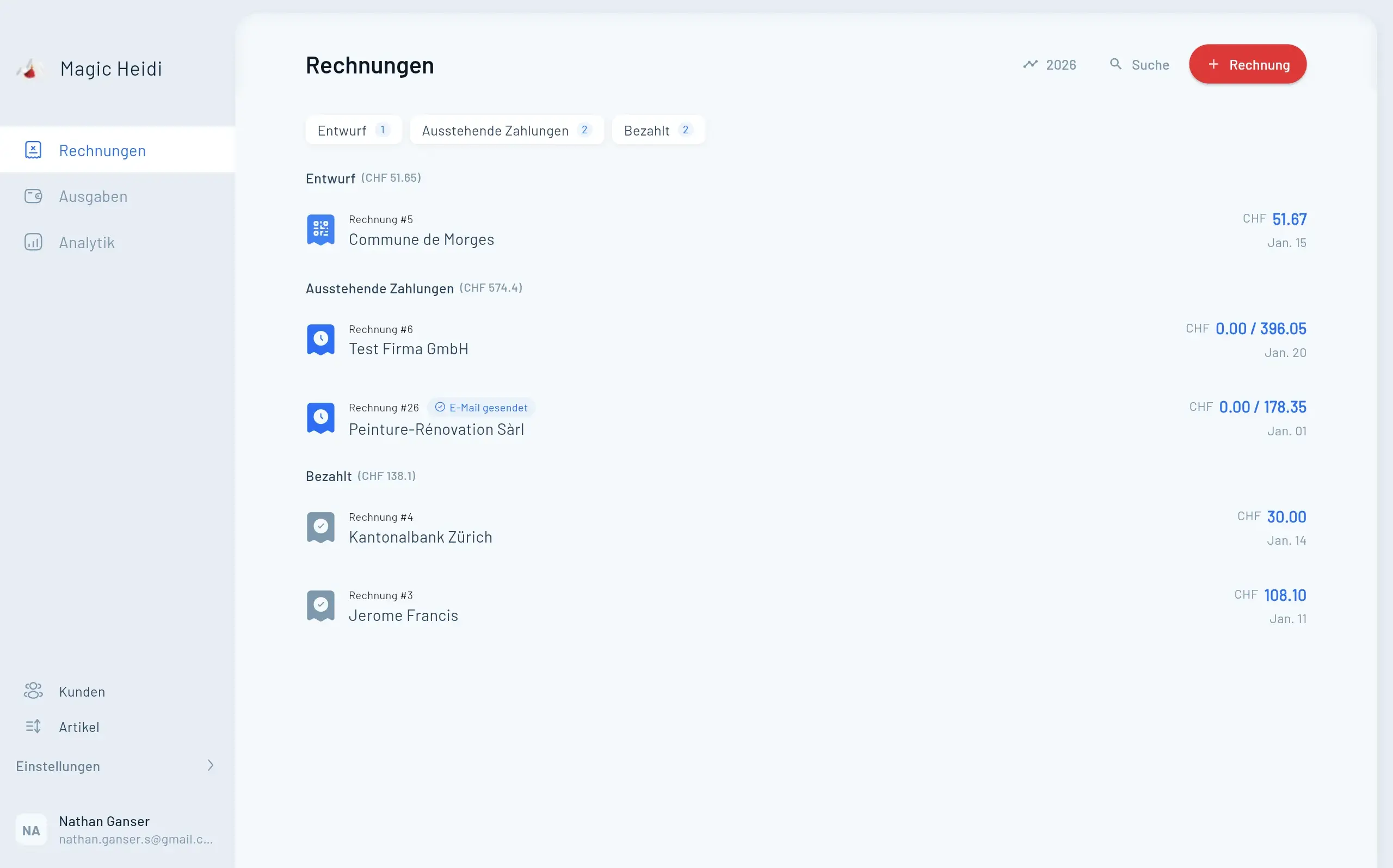
Das UBS QR-Portal im Überblick
Wenn du ein UBS- oder Credit-Suisse-Konto hast, kannst du deinen Zahlteil direkt über das offizielle UBS-Tool erzeugen.
Direktlink:
👉 Zum UBS QR-Portal
Schritt-für-Schritt-Anleitung
1. UBS QR-Portal öffnen
Gehe direkt zum offiziellen UBS QR-Rechnungs-Tool:
👉 https://www.ubs.com/ch/de/services/payments/receive-money/qr-billing.html
2. UBS-Variante auswählen
Wähle die passende Variante:
- QR-Einzahlungsschein (nur Zahlteil)
- vollständige Rechnung mit QR-Code
3. Daten eingeben und PDF erstellen
Trage deine Empfängerdaten, den Betrag, die Kontoverbindung und – falls nötig – die Referenz ein.
Anschließend lädst du die QR-Rechnung als PDF herunter.
4. Kurz prüfen
Scanne den QR-Code testweise mit deiner Banking-App, um sicherzugehen, dass alles korrekt ist.
In 3 Schritten durch das UBS QR-Portal
So kommst du mit UBS am schnellsten zum PDF.
1) UBS QR-Portal öffnen
UBS beschreibt das QR-Portal als kostenlosen Weg für Rechnungssteller mit UBS- oder Credit-Suisse-Konto, ohne Login QR-Rechnungen zu erstellen.1
2) Passende UBS-Variante wählen
Im UBS-Kontext findest du Varianten für Einzahlungsscheine in allen Varianten und Vollständige Rechnungen. Wenn du direkt ein verschickbares PDF brauchst, nimm die Variante für die vollständige Rechnung.4
3) Daten eingeben und PDF herunterladen
Trage deine Empfängerdaten, den Betrag, die Kontoverbindung und bei Bedarf die Referenz ein. Danach lädst du die QR-Rechnung als PDF herunter und prüfst sie einmal kurz mit einer Banking-App.
Was du vor dem Start bereithalten solltest
Je besser du die Daten vorbereitest, desto schneller ist die Rechnung fertig.
Pflichtangaben
- Name oder Firmenname des Zahlungsempfängers
- strukturierte Adresse: Strasse, Hausnummer, PLZ, Ort, Land getrennt
- deine IBAN oder QR-IBAN
- Betrag und Währung
Sinnvoll zusätzlich
- Rechnungsnummer
- Zahlungszweck oder kurze Mitteilung
- Name und Adresse des Kunden
- Referenz, wenn du Zahlungen sauber zuordnen willst
Warum die Adresse heute wichtiger ist als früher
SIX hat die QR-Rechnung per 22. November 2025 angepasst. Seitdem ist in der QR-Rechnung nur noch die strukturierte Adresse zugelassen.2 UBS weist ebenfalls darauf hin, dass im QR-Portal erstellte QR-Rechnungen die neuen Vorgaben bereits berücksichtigen.1
Das heisst für die Praxis:
- nicht
Bahnhofstrasse 10, 8001 Zürichin ein einziges Feld schreiben - sondern Strasse, Nummer, PLZ, Ort und Land sauber getrennt erfassen
Genau dieser Punkt ist heute einer der häufigsten Gründe, warum alte Vorlagen oder improvisierte Generatoren Probleme machen.
IBAN, QR-IBAN und Referenzen:
die einfache Entscheidungshilfe
Hier passieren die meisten Verwechslungen.
Normale IBAN + NON
Die einfachste Variante für viele Freelancer. Du nutzt keine strukturierte Referenz, sondern nur eine Mitteilung.
- gut für einzelne oder seltene Rechnungen
- am schnellsten eingerichtet
- keine QR-IBAN nötig
- Zahlungsabgleich meist manuell
Normale IBAN + SCOR
Wenn du eine strukturierte Referenz willst, aber keine QR-Referenz brauchst.
- gut für klar definierte Rechnungsnummern
- häufig mit normaler IBAN nutzbar
- ordentlicher als freier Mitteilungstext
- sinnvoll bei etwas mehr Volumen
QR-IBAN + QRR
Die passende Kombination für die klassische Schweizer QR-Referenz.
- für sauberen automatisierten Zahlungsabgleich
- typisch bei höherem Rechnungsvolumen
- QRR braucht QR-IBAN
- normale IBAN plus QRR ist nicht die richtige Kombination
Das UBS QR-Portal im Detail
Schritt 1: Die richtige UBS-Variante wählen
Wenn du nur einen nackten Zahlteil brauchst, reicht eine einfache QR-Rechnung. Wenn du die Datei direkt an Kundinnen oder Kunden verschicken willst, ist die UBS-Variante für vollständige Rechnungen die bessere Wahl.4
Schritt 2: Kontoverbindung sauber eintragen
Hier entscheidet sich, ob später alles glatt läuft:
- normale IBAN für einfache Fälle ohne QR-Referenz
- QR-IBAN nur dann, wenn du mit QRR arbeiten willst
Wenn du dir nicht sicher bist, starte mit der einfacheren Kombination. Für viele Einzelfirmen und Freelancer reicht eine normale IBAN ohne QR-Referenz völlig aus.
Schritt 3: Adresse strukturiert erfassen
Seit den neuen Anforderungen sollte diese Eingabe immer so gedacht werden:
- Strasse
- Hausnummer
- PLZ
- Ort
- Land
Das wirkt klein, spart aber später die meisten Korrekturen.
Schritt 4: Betrag und Rechnungsdaten eintragen
In der Regel brauchst du:
- Rechnungsdatum
- Fälligkeitsdatum
- Rechnungsnummer
- Betrag
- kurze Leistungsbeschreibung oder Mitteilung
Schritt 5: PDF herunterladen und testen
Vor dem Versand lohnt sich ein 20-Sekunden-Check:
- QR-Code mit Banking-App scannen
- stimmt der Empfänger?
- stimmt der Betrag?
- stimmt die Kontoverbindung?
- sieht die Adresse sauber und vollständig aus?
Das ist deutlich schneller als später eine Rückfrage vom Kunden oder eine nicht zuordenbare Zahlung.
Der häufigste Fehler im UBS QR-Portal:
Adressen falsch erfasst
SIX erlaubt in der QR-Rechnung seit 22. November 2025 nur noch strukturierte Adressen. UBS weist für das eigene QR-Portal ebenfalls auf diese Vorgabe hin.

Die 5 häufigsten Fehler im UBS QR-Portal
1) Du suchst einen Einzahlungsschein, brauchst aber das QR-Portal
Das ist die häufigste Suchabsicht. Inhaltlich ist es heute fast dasselbe Thema: Der alte Einzahlungsschein wurde ersetzt, also brauchst du einen QR-Code-fähigen Beleg.3 Wenn du keinen UBS-Zugang hast oder bankunabhängig arbeiten willst, findest du den bankunabhängigen Generator unter QR-Rechnung erstellen und die Hintergründe zur Umstellung unter Einzahlungsschein: vom ESR zum QR-Zahlteil.
2) QRR mit normaler IBAN kombinieren
Wenn du eine QR-Referenz nutzen willst, brauchst du die passende QR-IBAN. Wer diese Kombination verwechselt, produziert unnötige Fehler.
3) Adresse in ein einziges Feld schreiben
Seit November 2025 ist genau das ein Risiko. Getrennte Felder sind die sichere Variante.2
4) PDF ungeprüft verschicken
Ein kurzer Scan-Test vor dem Versand spart viel Ärger.
5) Gratis-Generator für einen Dauerprozess missbrauchen
Ein kostenloser Generator ist stark für Einzelrechnungen. Sobald du aber jede Woche Rechnungen schreibst, wiederkehrende Kunden hast oder Zahlungseingänge sauber nachverfolgen willst, wird manuelles Arbeiten schnell unnötig teuer.
Wann das UBS-Portal reicht und wann Software sinnvoller ist
Nicht jede Aufgabe braucht sofort ein grosses Tool. Aber nicht jede Aufgabe bleibt klein.
UBS QR-Portal reicht gut, wenn du:
- nur gelegentlich eine QR-Rechnung brauchst
- schnell ein PDF erzeugen willst
- keine Kundenverwaltung oder Automatisierung brauchst
- keine laufende Buchhaltung im selben System verwalten musst
Eine Software lohnt sich, wenn du:
- regelmässig Rechnungen schreibst
- wiederkehrende Rechnungen oder Mahnungen brauchst
- Zahlungseingänge systematisch verfolgen willst
- Buchhaltung, Ausgaben und Rechnungen an einem Ort halten willst
Genau dort wird der Unterschied zwischen einem kostenlosen Generator und einem sauberen Prozess spürbar.
Für regelmässige Rechnungen: Magic Heidi statt Copy-Paste
Wenn du das UBS-Portal nicht nur einmal öffnest, sondern laufend Rechnungen verschickst, ist ein Tool wie Magic Heidi sinnvoller als jedes Mal neu im Portal zu starten.
Mit Magic Heidi kannst du:
- QR-Rechnungen für Schweizer Kundinnen und Kunden erstellen
- Rechnungsnummern und Kunden sauber verwalten
- den Zahlungsstatus im Blick behalten
- Ausgaben und Buchhaltung gleich mitführen
Der Unterschied ist nicht nur Komfort. Es geht vor allem darum, dass du weniger manuell nachpflegen, weniger kontrollieren und weniger nachfragen musst.
Wenn du den direkten Produktweg willst, ist diese Seite der kürzere Einstieg: QR-Rechnung erstellen in Sekunden.
Fragen zum UBS QR-Portal
Kann ich bei UBS wirklich gratis einen QR Einzahlungsschein erstellen?
Ja. UBS beschreibt das QR-Portal für Rechnungssteller mit UBS- oder Credit-Suisse-Konto als kostenlosen Weg, QR-Rechnungen in verschiedenen Varianten zu erstellen, auch ohne Login.[1]
Ist der alte Einzahlungsschein noch gültig?
Nein. Die alten roten und orangen Einzahlungsscheine wurden in der Schweiz durch die QR-Rechnung abgelöst. Wenn du heute nach einem Einzahlungsschein suchst, brauchst du in der Praxis eine QR-Rechnung.[2][3]
Brauche ich immer eine QR-IBAN?
Nein. Eine QR-IBAN brauchst du nur für die QR-Referenz (QRR). Für einfache Fälle reicht oft eine normale IBAN.
Was ist seit Ende 2025 neu?
Seit 22. November 2025 sind für die QR-Rechnung nur noch strukturierte Adressen erlaubt. Strasse, Hausnummer, PLZ, Ort und Land müssen also getrennt erfasst werden.[2]
Ist das UBS QR-Portal auch für komplette Rechnungen geeignet?
Ja. UBS verweist bei den Vorlagen explizit auf Varianten für Vollständige Rechnungen, nicht nur für einzelne Einzahlungsscheine oder Zahlteile.[4]
Wann sollte ich statt UBS eine Rechnungssoftware nutzen?
Sobald du regelmässig Rechnungen erstellst, wiederkehrende Kunden hast oder Zahlungseingänge sauber nachverfolgen willst. Dann spart dir Software deutlich mehr Zeit als ein Gratis-Generator.
Heute im UBS-Portal starten,
morgen weniger manuell arbeiten
Nutze für Einzelrechnungen das UBS QR-Portal oder starte direkt mit einer einfacheren Dauerlösung für Schweizer Freelancer.

Zusammenfassung
- Was früher ein Einzahlungsschein war, ist heute der QR-Zahlteil einer QR-Rechnung
- UBS bietet dafür ein kostenloses QR-Portal ohne Login für passende Konten an1
- Für den exakten Beleg ist die Variante Vollständige Rechnungen meist am praktischsten4
- Seit 22. November 2025 sind nur noch strukturierte Adressen erlaubt2
- Für einzelne Rechnungen reicht das oft aus, für regelmässiges Fakturieren ist Software effizienter
Quellen
1 UBS, QR-Rechnungsstellung: https://www.ubs.com/ch/de/services/payments/receive-money/qr-billing.html
2 SIX, QR-bill – Swiss Payment Standards: https://www.six-group.com/en/products-services/banking-services/payment-standardization/standards/qr-bill.html
3 UBS, QR-Rechnung bezahlen / Hintergrund: https://www.ubs.com/qr
4 UBS, QR-Portal Vorlagen: https://www.ubs.com/ch/de/help/payments/qr-portal-templates.html