Complete 2026 Guide

Professional Gardeners in Switzerland: Your Complete Hiring Guide

Find qualified gardeners across Switzerland. Compare prices, services, and regional options. Expert guide for homeowners and expats navigating Swiss gardening regulations.

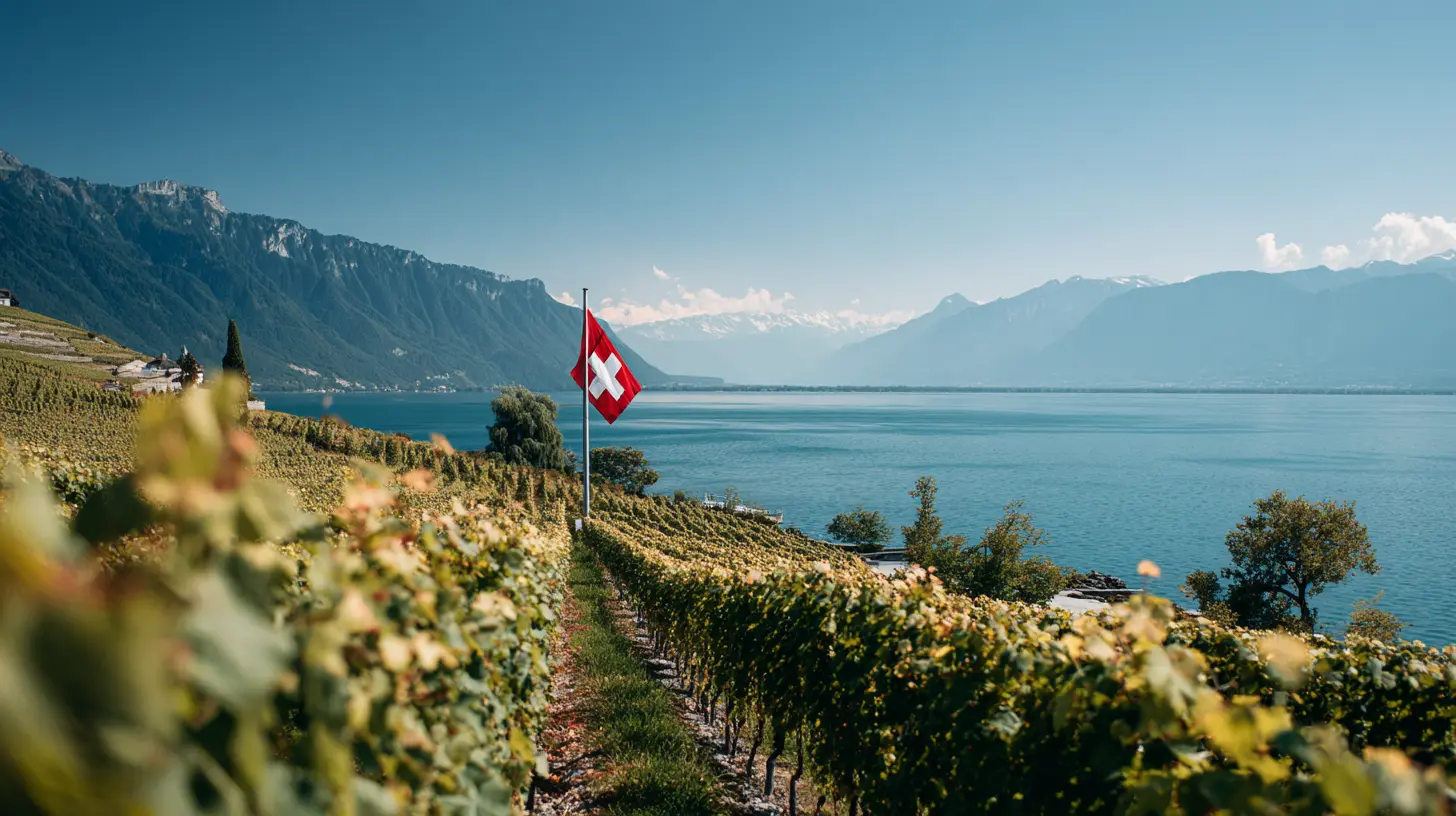
Beautiful Swiss garden landscape

Finding a reliable gardener in Switzerland doesn't have to be complicated. Whether you're managing a sprawling estate in Zurich or maintaining a modest garden in Geneva, professional gardening services can transform your outdoor space while saving you time and effort.

This guide covers everything you need to know about hiring gardeners in Switzerland—from understanding regional pricing to navigating Swiss-specific regulations that protect trees and restrict chemical use.

Why Hire a Professional Gardener in Switzerland?

Switzerland's diverse climate zones create unique gardening challenges. The Central Plateau experiences distinct seasonal changes with wet springs and hot summers. Alpine regions deal with snow well into spring. Ticino enjoys Mediterranean-influenced weather with longer growing seasons.

🌿

Climate Expertise

Specialized knowledge of Swiss zones 5-9 and regional conditions
⏱️

Time Savings

Focus on what you do best while experts handle your garden
🛠️

Professional Equipment

Proper tools and techniques for consistent results
🌍

Sustainable Practices

Water conservation and support for local biodiversity

Professional gardeners bring specialized knowledge of these regional conditions. They understand which plants thrive in your specific hardiness zone (Switzerland spans zones 5-9), when to prune for optimal growth, and how to manage the six-month growing season in lowlands or the brief summer window in high-altitude areas.

Many Swiss homeowners hire gardeners for regular maintenance while handling simple tasks themselves. This hybrid approach balances cost with professional expertise.

Regular Maintenance Services

These recurring services keep your garden healthy throughout the seasons:

  • Lawn care: Mowing, aerating, fertilizing, and overseeding
  • Pruning and trimming: Shrubs, hedges, and ornamental trees
  • Weeding and bed maintenance: Flowerbeds, vegetable gardens, and borders
  • Seasonal preparation: Winter protection, spring cleanup, autumn clearance
  • Watering systems: Installation and management of irrigation
  • Pest and disease control: Eco-friendly solutions for common problems

Design and Installation

For larger projects, gardeners offer:

  • Landscape design and planning
  • Lawn installation from seed or sod
  • Tree and shrub planting
  • Flowerbed creation and design
  • Garden lighting installation
  • Water features and natural stone work
  • Pathway and patio construction

Specialized Services

Many gardeners provide expertise in:

  • Organic and sustainable gardening practices
  • Native Swiss plant selection
  • Invasive species identification and removal
  • Tree care and professional pruning (with permits when required)
  • Greenhouse maintenance
  • Balcony and container garden management

Always confirm which services a gardener offers before hiring. Some specialists focus exclusively on maintenance, while others handle both design and upkeep.

How Much Do Gardeners Cost in Switzerland?

Gardening services in Switzerland reflect the country's high labor standards and cost of living. Understanding pricing helps you budget appropriately and compare quotes effectively.

Professional Gardeners

CHF70-100/month
Per hour
  • Major cities: CHF 90-100/hour
  • French regions: CHF 60-80/hour
  • Basel, Bern, Lucerne: CHF 70-90/hour
  • Rural areas: CHF 50-70/hour
  • Includes professional equipment
  • Insurance and guarantees

Landscape Architects

CHF120+/month
Per hour
  • Complete garden design services
  • Professional certifications
  • Complex projects
  • Long-term planning
  • Permit navigation
🛡️Task-specific pricing: Lawn mowing CHF 80-150 per visit | Hedge trimming CHF 1-5 per meter | Tree pruning CHF 400-1,000

Task-Specific Pricing

Many gardeners charge by the project rather than hourly:

  • Lawn mowing: CHF 0.25-0.35 per square meter, or CHF 80-150 per visit for small to medium gardens
  • Hedge trimming: CHF 1-5 per linear meter depending on height and thickness
  • Tree pruning: CHF 400-1,000 depending on tree size and complexity
  • General garden maintenance visit: CHF 150-300 for a few hours of work

What Affects Pricing?

Several factors influence the final cost:

  • Location: Urban areas and high-income regions command premium rates
  • Experience and qualifications: Certified landscapers cost more than general gardeners
  • Complexity: Specialized work like tree surgery or design costs more than basic mowing
  • Equipment needs: Projects requiring specialized machinery increase costs
  • Frequency: Regular maintenance contracts often offer better rates than one-time services
  • Travel distance: Some gardeners charge for travel time outside their service area
  • Waste disposal: Check if green waste removal is included or costs extra

One-Time vs. Regular Contracts

Regular maintenance agreements typically offer better value. A gardener visiting weekly or biweekly charges less per visit than one-time emergency cleanup work.

Consider negotiating a seasonal contract (March-October) covering:

  • Regular lawn mowing
  • Scheduled pruning and trimming
  • Seasonal preparation tasks
  • Ongoing consultation and advice

Online Platforms

Homeservice24: One of Switzerland's largest service platforms, connecting clients with gardeners since 2007. Approximately 1 in 10 people in Switzerland have found service providers through their network.

Houzy: Offers gardener matching services with certified professionals who understand regional climate conditions.

Local Agencies: Specialized staffing services place professional gardeners for regular work or one-time projects, particularly useful for larger estates.

City-Specific Resources

Major Swiss cities have concentrated gardening service markets:

  • Zurich: Largest selection of professional gardeners, often at premium prices
  • Geneva: Strong French-speaking market with numerous qualified professionals
  • Basel: Active market with competitive pricing
  • Bern: Good balance of quality and affordability
  • Lucerne: Growing market with traditional garden expertise
  • Aarau: Practical options for households in Aargau and nearby towns
  • Locarno: Ticino-focused services with Mediterranean climate expertise
  • St. Gallen: Solid East Switzerland market with reliable maintenance providers

Understanding Swiss Gardening Regulations

Switzerland has specific rules protecting the environment and biodiversity that affect garden management.

Tree Protection Laws

Trees in Switzerland enjoy legal protection. You cannot simply cut down a tree because you dislike it.

Key restrictions:

  • Most cantons require permits for felling trees above certain sizes
  • Tree removal during nesting and breeding seasons (March through September) is heavily restricted or forbidden
  • Penalties for unauthorized tree removal can be substantial
  • Professional gardeners should know when permits are required

If a tree poses danger or blocks construction, consult with your gardener and local authorities about proper procedures.

Chemical Use Restrictions

The Chemical Risk Ordinance limits herbicide and pesticide use to protect groundwater quality. Requirements vary by canton and municipality.

Professional gardeners should:

  • Prioritize mechanical weeding and natural pest control
  • Use approved products only when necessary
  • Apply chemicals according to cantonal regulations
  • Dispose of chemical waste properly

Ask potential gardeners about their approach to pest management and weed control. Eco-friendly methods align with Swiss environmental values and legal requirements.

Invasive Species Management

As of September 2024, 31 non-native plants are officially banned as invasive species that threaten Swiss biodiversity.

Commonly encountered banned plants:

  • Ragweed (Ambrosia)
  • Giant hogweed
  • Himalayan balsam
  • Japanese knotweed
  • American goldenrod
  • Narrow-leaved ragwort

Property owners are encouraged to recognize and eliminate these species. A qualified gardener should identify invasive plants and remove them using proper methods that prevent spread.

Swiss Climate Zones and Regional Considerations

Switzerland's diverse geography creates distinct gardening conditions across the country, spanning five hardiness zones (5-9) from coldest alpine regions to mild Ticino valleys.

🌱 Spring: Mid-March to Mid-June
☀️ Summer: Mid-June to Mid-September
🍂 Autumn: Mid-September to Mid-December
❄️ Winter: Mid-December to Mid-March
🏔️
Alpine Regions (Zone 5)

2-3 month growing season, winter temps to -28°C

🌾
Central Plateau (Zones 6-7)

6-month season, moderate four-season climate

☀️
Ticino (Zones 8-9)

7-month season, Mediterranean influence

🌿
Western Regions

Moderate climate, diverse planting options

Understanding Hardiness Zones

Your hardiness zone determines which plants survive winter. Share your location with potential gardeners to ensure they recommend appropriate species.

Seasonal Gardening Calendar

Winter (mid-December to mid-March):

  • Minimal garden work
  • Planning and design period
  • Pruning of certain species
  • Protection of sensitive plants

Spring (mid-March to mid-June):

  • Peak planting season
  • Lawn renovation and seeding
  • Pruning of spring-flowering shrubs
  • Pest monitoring begins

Summer (mid-June to mid-September):

  • Regular maintenance intensive
  • Watering critical during dry spells
  • Deadheading and ongoing care
  • Pest management important

Autumn (mid-September to mid-December):

  • Planting season for trees and shrubs
  • Lawn renovation
  • Bulb planting
  • Garden cleanup
  • Winter preparation

Sustainable Practices

Professional gardeners can help you implement:

  • Water conservation: Efficient irrigation, drought-tolerant plants, mulching
  • Soil health: Composting, organic amendments, minimal tillage
  • Chemical-free management: Natural pest control, mechanical weeding
  • Wildlife support: Native plants, habitat features, pesticide elimination
  • Resource efficiency: Proper plant selection for conditions, reducing waste

Sustainable gardening isn't just environmentally responsible—it often reduces maintenance needs and costs over time.

Best Practices

Working Successfully with Your Gardener

Clear communication and realistic expectations create productive long-term relationships.

Setting Expectations

Establish Clear Communication

Define scope, budget, and preferred contact methods from the start.

  • Walk the property together during first meeting
  • Discuss your vision and identify problem areas
  • Agree on scope of work and budget parameters
  • Establish preferred contact methods and response times
Establishing Communication
Maintenance Schedules

Plan Regular Visits

Typical frequencies: weekly to biweekly mowing, biweekly to monthly maintenance, quarterly seasonal reviews.

  • Lawn mowing: Weekly to biweekly during growing season
  • General maintenance: Biweekly to monthly visits
  • Seasonal visits: 4 times yearly for major tasks
  • Adjust frequency based on garden size and budget
Garden Maintenance Schedule
Trial Periods

Start with a Trial

Reduce risk by testing quality before committing long-term.

  • Single maintenance visit to assess quality
  • One complete season to evaluate seasonal work
  • Small project to test communication and results
  • Allows both parties to determine fit
Trial Period Assessment

Special Considerations for Expats

If you're new to Switzerland, gardening services may differ from your home country.

Language Considerations

Switzerland's linguistic diversity affects service:

  • German-speaking regions: Most gardeners speak Swiss German or High German
  • French-speaking regions: French essential
  • Italian-speaking Ticino: Italian primary language
  • English: Larger cities have English-speaking options, but not universal

Specify language requirements when searching for gardeners. Communication clarity prevents misunderstandings about scope and expectations.

Cultural Differences

  • Formality: Swiss business relationships tend to be formal initially
  • Punctuality: Swiss gardeners take scheduling seriously
  • Quality standards: High expectations for precision and cleanliness
  • Environmental consciousness: Sustainability valued highly
  • Regulations: Strict adherence to rules and permits expected

Getting Oriented

Ask your gardener to educate you about:

  • What grows well in your specific location
  • Local regulations affecting your property
  • Seasonal timing for Swiss conditions
  • Where to purchase supplies and plants
  • Common Swiss gardening practices

Most gardeners appreciate engaged clients who want to learn.

FAQ

Frequently Asked Questions

How much does a gardener cost in Switzerland?

Professional gardeners typically charge CHF 70-100 per hour, with rates higher in Zurich (CHF 90-100) and lower in rural areas (CHF 50-70). Task-based pricing ranges from CHF 80-150 for lawn mowing visits to CHF 400-1,000 for tree pruning. Regular maintenance contracts often offer better value than one-time services.

How do I find a reliable gardener?

Use established platforms like Homeservice24 or Houzy, ask neighbors for recommendations, check with local garden centers, and search community groups. Always request references, verify insurance coverage, and ask detailed questions about experience with your region's climate before hiring.

What questions should I ask when hiring a gardener?

Essential questions include: What services do you offer? What are your qualifications? Do you have insurance and references? What's your pricing structure? What's included (tools, disposal, travel)? Do you know local regulations on trees and chemicals? Can you work with native plants and sustainable practices?

Do I need a permit to remove trees from my property?

Most likely yes. Trees in Switzerland are legally protected, and most cantons require permits for felling trees above certain sizes. Tree removal is also heavily restricted during nesting seasons (March-September). Consult your gardener and local authorities before removing any significant tree.

What plants should I avoid in my Swiss garden?

Avoid the 31 invasive species officially banned since September 2024, including ragweed, giant hogweed, Himalayan balsam, Japanese knotweed, American goldenrod, and narrow-leaved ragwort. These plants threaten Swiss biodiversity and may result in removal requirements. Ask your gardener to identify and eliminate any invasive species on your property.

When is the best time to hire a gardener in Switzerland?

Late winter or early spring (February-March) is ideal for establishing service before the busy growing season begins. This timing allows for spring preparation, initial cleanup, and early-season planting. However, good gardeners can be hired year-round, with autumn being another popular time for planning and planting trees and shrubs.

How often should my garden be maintained?

Maintenance frequency depends on garden size, complexity, and season. During growing season (April-October), most gardens need attention every 1-2 weeks for mowing and ongoing care. Monthly maintenance visits may suffice for low-maintenance gardens. Add quarterly visits for seasonal preparation tasks. Discuss a customized schedule with your gardener based on your specific needs.

Can gardeners help with balcony and container gardens?

Yes, many Swiss gardeners offer services for apartment balconies and container gardens, particularly in cities. These services include seasonal planting design, soil refreshment, watering system setup, and maintenance visits. Rates may be lower than full garden services, typically CHF 50-80 per visit depending on scope.

Ready to Find Your Perfect Gardener?

Professional gardening services transform Swiss outdoor spaces while respecting the country's unique climate zones, environmental regulations, and commitment to sustainability.

Start your search by:

  1. Determining your needs: List specific services required and frequency of maintenance
  2. Setting your budget: Expect CHF 70-100 per hour for professional service in most regions
  3. Researching local options: Use platforms like Homeservice24, ask neighbors, check garden centers
  4. Vetting candidates: Request references, verify insurance, confirm regulatory knowledge
  5. Starting with a trial: Begin with a single visit or small project before committing long-term

The right gardener brings expertise in Swiss conditions, understands regional regulations, and helps you create a sustainable outdoor space that thrives in your specific microclimate.

Whether you're managing an estate in Zurich, maintaining a modest garden in the Central Plateau, or navigating Switzerland's gardening culture as a newcomer, professional help ensures your outdoor space looks its best while supporting local biodiversity and environmental health.

Take the first step today—your dream Swiss garden is just a qualified gardener away.