 Magic Heidi
 Professional Services und Business Support: Ihr strategischer Partner für Wachstum
Ein Unternehmen zu führen bedeutet, unzählige Verantwortungen zu jonglieren – vom Finanzmanagement und HR bis zu IT-Support und Compliance. Professional Services helfen Schweizer Unternehmen, Betriebskosten um bis zu 30% zu senken und gleichzeitig auf Expertenwissen zuzugreifen.

Ein Unternehmen zu führen bedeutet, unzählige Verantwortungen zu jonglieren – vom Finanzmanagement und HR bis zu IT-Support und Compliance. Doch hier liegt die Herausforderung: Während Ihr Unternehmen wächst, vervielfachen sich diese operativen Anforderungen, während Ihre Zeit und Ressourcen begrenzt bleiben.
Professional Services und Business Support bieten eine Lösung. Durch die Zusammenarbeit mit spezialisierten Anbietern können Schweizer Unternehmen auf Expertenwissen zugreifen, Betriebskosten um bis zu 30% senken und die Geschäftsleitung entlasten, damit sie sich auf das Wesentliche konzentrieren kann: Wachstum vorantreiben und Kunden betreuen.
Dieser Leitfaden erklärt, was Professional Services und Business Support umfassen, wann Sie diese nutzen sollten und wie Sie den richtigen Partner für Ihr Unternehmen wählen.
Was sind Professional Services und Business Support?
Professional Services sind spezialisierte, wissensbasierte Dienstleistungen, die von Firmen mit tiefgreifender Expertise in spezifischen Bereichen erbracht werden. Dazu gehören Unternehmensberatung, Buchhaltung, Rechtsberatung, IT-Support und strategische Beratung. Anbieter von Professional Services bringen hochqualifizierte Fachkenntnisse und einzigartige Erfahrung mit, die sich die meisten Unternehmen intern nicht leisten können.
Business Support Services übernehmen die operativen und administrativen Funktionen, die Unternehmen reibungslos am Laufen halten. Diese Dienstleistungen – von Lohnabrechnung und Buchhaltung bis zu Personalverwaltung und Büroorganisation – generieren zwar nicht direkt Umsatz, ermöglichen es Ihren Kernteams aber, effizient Mehrwert zu schaffen.
Warum Schweizer Unternehmen Professional Services wählen
Zusammen bilden diese Dienstleistungen ein umfassendes Support-Ökosystem, das Unternehmen hilft, Compliance mit sich ändernden Vorschriften zu wahren, Effizienz durch Expertenprozesse und Technologie zu steigern und Ressourcen auf strategische Prioritäten zu fokussieren.
30% Kosteneinsparung
Expertenwissen ohne Vollzeit-FixkostenSofortige Skalierbarkeit
Ressourcen je nach Bedarf auf- oder abbauenStrategischer Fokus
Führung kann sich auf Wachstum und Kunden konzentrierenStudien zeigen, dass Unternehmen, die Business Support Services nutzen, eine durchschnittliche Effizienzsteigerung von 30% erfahren, während die Automatisierung von Professional Services bei einer Organisation mit 100 Mitarbeitenden 2,5 Millionen Franken zusätzliche Jahreseinnahmen generieren kann.
Kernbereiche der Business Support Services
Administrative und operative Unterstützung
Administrative Unterstützung umfasst die täglichen Aufgaben, die Ihr Unternehmen organisiert halten. Virtuelle Assistenz, Büroverwaltung, Terminplanung, Dokumentenvorbereitung und Korrespondenz fallen in diese Kategorie.
Hauptvorteil: Die Beauftragung einer virtuellen Assistenz kann bis zu 20 Stunden pro Woche einsparen – Zeit, die Sie für Kundenkontakt oder Geschäftsentwicklung nutzen können.
Ideal für: Kleinunternehmen und Start-ups, bei denen sich Gründer auf wertschöpfende Aktivitäten statt auf Routineverwaltung konzentrieren müssen.
Finanzmanagement-Services
Finanzdienstleistungen stellen sicher, dass Ihr Unternehmen einen gesunden Cashflow aufrechterhält, Steuerpflichten erfüllt und datenbasierte Finanzentscheidungen trifft.
Zentrale Business Support Services
Umfassende Unterstützung in allen operativen Funktionen
Finanzmanagement
Professionelles Finanzmanagement reduziert Fehler, gewährleistet Compliance und liefert die Erkenntnisse für strategische Planung.
- Buchhaltung und Rechnungswesen
- Lohnabrechnung
- Steuervorbereitung und -einreichung
- Finanzplanung und -analyse
- Budgetierung und Forecasting
- Monatliche/quartalsweise Finanzberichte
IT und Cybersecurity
Da 43% der Cyberangriffe auf KMU abzielen, bieten professionelle IT-Services Sicherheit auf Unternehmensniveau ohne Vollzeitkosten.
- Helpdesk-Support und Netzwerkverwaltung
- Cloud-Lösungen und Software-Wartung
- Cybersecurity und Datenschutz
- System-Monitoring und -Wartung
Human Resources Support
Professionelle HR-Unterstützung gewährleistet rechtliche Compliance und gibt Führungskräften Raum für Teamentwicklung und strategische Personalplanung.
- Rekrutierung und Kandidaten-Screening
- Onboarding und Schulungskoordination
- Lohnabrechnung und Sozialleistungen
- Einhaltung arbeitsrechtlicher Vorschriften
- Performance-Management-Systeme
- Mitarbeiterbeziehungen
Marketing und Business Development
Marketing-Services helfen Ihnen, Kunden zu erreichen, Markenbekanntheit aufzubauen und Wachstum zu fördern. Von digitalem Marketing und Content-Erstellung bis zu Social-Media-Management und Lead-Generierung – Unternehmen, die professionelles Social-Media-Marketing nutzen, erzielen durchschnittlich 4 Franken Ertrag für jeden investierten Franken.

Fünf zentrale Vorteile von Professional Services
Studien zeigen, dass Unternehmen, die Routinefunktionen auslagern, typischerweise CHF 40'000–60'000 jährlich pro Funktion einsparen und gleichzeitig Zugang zu spezialisiertem Fachwissen erhalten.
- 💰30-40% Kostenersparnis
Günstiger als vergleichbare interne Mitarbeitende
- 🎓Experten-Service
Zugang zu Spezialwissen ohne jahrelange Investition
- 📈Überlegene Skalierbarkeit
Ressourcen je nach Bedarf erhöhen oder reduzieren
- 🎯30% mehr Zeit
Fokus auf strategische statt operative Aktivitäten
- Rechnung #3
Magic Heidi
CHF 500
Jan 29
- Rechnung #2
Webbiger LTD
CHF 2000
Jan 24
- Rechnung #1
John Doe
CHF 600
Jan 20
1. Signifikante Kostenreduktion
Festangestellte für jede Geschäftsfunktion einzustellen ist teuer. Neben Gehältern zahlen Sie für Sozialleistungen, Büroflächen, Ausrüstung, Schulung und Gemeinkosten. Professional Services bieten Zugang zu Expertise ohne diese Fixkosten.
Konkrete Zahlen: Das Outsourcing von Routinefunktionen kostet typischerweise 30–40% weniger als vergleichbare interne Mitarbeitende. Für ein KMU kann dies Einsparungen von CHF 40'000–60'000 jährlich pro ausgelagerter Funktion bedeuten.
2. Zugang zu spezialisiertem Fachwissen
Externe Dienstleister bringen tiefgreifendes Wissen in spezifischen Bereichen mit – Expertise, die intern ohne erhebliche Investition unmöglich zu replizieren wäre.
Ein Cybersecurity-Berater bringt jahrelange Erfahrung über Dutzende Kunden mit. Ein HR-Spezialist versteht die Feinheiten des Schweizer Arbeitsrechts. Ein Finanzberater kennt Steueroptimierungsstrategien für Ihren Kanton.
Fazit: Sie erhalten Experten-Service, ohne Jahre in den internen Aufbau dieser Expertise zu investieren.
3. Überlegene Skalierbarkeit und Flexibilität
Geschäftliche Bedürfnisse schwanken. Sie benötigen vielleicht zusätzliche Buchhaltungsunterstützung während der Steuersaison, extra IT-Hilfe bei einer Systemmigration oder Marketing-Unterstützung für einen Produktlaunch.
Professional Services skalieren mit Ihren Bedürfnissen. Bauen Sie Ressourcen auf, wenn die Nachfrage steigt, reduzieren Sie sie bei Rückgang. Keine Einstellungsverzögerungen, keine Abfindungskosten, keine Überkapazitäten.
Das ist wichtig, weil: Fixkosten Start-ups ruinieren. Variable Kosten, die mit dem Umsatz korrelieren, schützen Ihr Unternehmen in Abschwüngen und ermöglichen schnelle Skalierung im Wachstum.
4. Schärferer Fokus auf das Kerngeschäft
Jede Stunde, die Sie mit administrativen Aufgaben, Finanzpapieren oder IT-Troubleshooting verbringen, ist eine Stunde, die nicht in Ihr Kerngeschäft fließt – Produktentwicklung, Kundenbetreuung oder Teamaufbau.
Business Support Services gewinnen diese Zeit zurück. Die Führung kann sich auf Strategie, Vision und Wachstum konzentrieren, während operative Experten den Rest übernehmen.
Die Daten: Unternehmen, die nicht-kerngeschäftliche Funktionen auslagern, berichten von 30% mehr Zeit für strategische Aktivitäten.
5. Besseres Risikomanagement
Einhaltung von Vorschriften, Datensicherheit, finanzielle Genauigkeit – Fehler in diesen Bereichen können katastrophal sein. Professionelle Dienstleister bleiben bei sich ändernden Regulierungen auf dem Laufenden, implementieren Best Practices und verfügen über Haftpflichtversicherungen.
Sie bieten auch Kontinuität. Wenn Ihr interner Buchhalter Urlaub macht oder Ihr IT-Mitarbeitender das Unternehmen verlässt, droht Unterbrechung. Dienstleister gewährleisten ununterbrochene Unterstützung.
Wann sollten Sie Business Support Services beauftragen?
Wenn operative Aufgaben Engpässe schaffen, Sie spezialisierte Fähigkeiten nur zeitweise benötigen oder Compliance-Anforderungen Ihre Kapazität übersteigen, ist es Zeit für Professional Services.
Zeitfehlallokation
Stunden mit Aufgaben außerhalb Ihrer Expertise verbringenOperative Engpässe
Administrative Arbeit verhindert strategische AktivitätenSchnelles Wachstum
Skalierung belastet Systeme und ProzesseWann sollten Sie Business Support Services beauftragen?
Klare Signale, dass es Zeit zum Outsourcen ist
Sie verbringen Zeit mit Aufgaben außerhalb Ihrer Expertise. Wenn Sie ein Produktvisionär sind, der Stunden mit Buchhaltung verbringt, oder ein Vertriebsleiter, der die Lohnabrechnung verwaltet, verschwenden Sie Ihre wertvollste Ressource – Ihre Zeit.
Operative Aufgaben schaffen Engpässe. Wenn administrative Arbeit Sie daran hindert, auf Kunden zu reagieren, Strategien zu entwickeln oder Abschlüsse zu tätigen, übersteigen die Kosten interner Funktionen den Nutzen.
Sie benötigen spezialisierte Fähigkeiten nur zeitweise. Eine Vollzeit-Rechtsberatung macht für Großunternehmen Sinn. Für die meisten Unternehmen ist bedarfsgerechter Zugang zu juristischer Expertise deutlich kosteneffizienter.
Sie skalieren schnell. Wachstum belastet Systeme und Prozesse. Professional Services bieten die Infrastruktur für effiziente Skalierung ohne Risiko und Verzögerung beim Teamaufbau.
Compliance-Anforderungen übersteigen Ihre Kapazität. Schweizer Unternehmen sehen sich komplexen Vorschriften in Arbeitsrecht, Datenschutz und Steuercompliance gegenüber. Fehler riskieren Bußgelder und rechtliche Probleme.
Was auslagern vs. intern behalten
Häufig ausgelagerte Funktionen:
- Lohnabrechnung und Steuererklärung
- Buchhaltung und Rechnungswesen
- IT-Support und Cybersecurity
- Rechtsberatung
- Spezialisiertes Marketing (SEO, bezahlte Werbung, Content)
- Routine-Personalverwaltung
Intern behalten:
- Strategische Planung und Führung
- Entwicklung von Kernprodukten/-dienstleistungen
- Direkte Kundenbeziehungen
- Unternehmenskultur und -werte
- Sensible Mitarbeiterangelegenheiten
- Kritisches geistiges Eigentum
Das Prinzip: Lagern Sie Aufgaben aus, die entweder Routine sind (und daher kein unternehmensspezifisches Wissen erfordern) oder hochspezialisiert (und daher zu teuer für interne Wartung). Behalten Sie Aktivitäten intern, die Ihren Wettbewerbsvorteil definieren oder tiefes institutionelles Wissen erfordern.
Professional Services Preisgestaltung: Modelle und Erwartungen
Das Verständnis von Preismodellen hilft Ihnen, effektiv zu budgetieren und Anbieter zu wählen, die zu Ihren Bedürfnissen passen.
Stundenabrechnung
CHF 150–350/Stunde. Ideal für Projektarbeit mit unklarem Umfang oder variierendem Zeitbedarf.
Festpreisprojekte
Fester Preis für definierte Ergebnisse. Budgetsicherheit mit klaren Deliverables und Zeitplänen.
Monatliche Retainer
Feste Monatsgebühr für laufende Unterstützung. Ideal für kontinuierliche Services mit stabilen Anforderungen.
Wertbasierte Preisgestaltung
Gebühren gekoppelt an erzielte Ergebnisse. Optimal für strategische Beratung mit messbaren Outcomes.
Gängige Preisstrukturen
Stundenabrechnung Der Anbieter rechnet die tatsächlich aufgewendete Zeit ab. Die Tarife liegen typischerweise zwischen CHF 150–350 pro Stunde, abhängig von Expertisegrad und Dienstleistungsart.
Ideal für: Projektarbeit mit unklarem Umfang, Beratungsaufträge oder Services, bei denen der Zeitbedarf stark variiert.
Vorsicht: Kosten können eskalieren, wenn nicht sorgfältig gemanagt. Legen Sie immer Budgetobergrenzen oder Genehmigungsprozesse für Arbeiten fest, die Schätzungen überschreiten.
Festpreisprojekte Ein fester Preis für die Lieferung spezifischer Ergebnisse – Website-Entwicklung, Software-Implementierung, Durchführung eines Audits.
Ideal für: Klar definierte Projekte mit eindeutigen Deliverables und Zeitplänen.
Vorteil: Budgetsicherheit. Sie kennen die Kosten im Voraus.
Monatliche Retainer Laufende Unterstützung zu einer festen Monatsgebühr. Üblich für IT-Support, Buchhaltungsservices oder Marketing-Management.
Ideal für: Kontinuierliche Services, bei denen Sie konstante Verfügbarkeit und vorhersehbare Kosten benötigen.
Optimaler Bereich: Retainer funktionieren gut, wenn der monatliche Bedarf einigermaßen stabil ist, typischerweise 15–40 Stunden pro Monat.
Wertbasierte Preisgestaltung Gebühren gekoppelt an erzielte Ergebnisse – Prozentsatz der Kosteneinsparungen, generierter Umsatz oder geschaffener Mehrwert.
Ideal für: Strategische Beratung, Business Development oder Optimierungsprojekte mit messbaren Ergebnissen.
Hinweis: Erfordert klare Kennzahlen und starkes Vertrauen zwischen Anbieter und Kunde.
Typische Preisspannen (Schweizer Markt)
- Virtuelle Assistenz: CHF 35–60/Stunde
- Buchhaltung: CHF 1'500–4'000/Monat für KMU
- IT-Support: CHF 2'500–7'000/Monat (Managed Services)
- Personalverwaltung: CHF 80–150/Mitarbeitende/Monat
- Marketing-Services: CHF 3'000–10'000/Monat je nach Umfang
- Strategische Beratung: CHF 200–500/Stunde
Profi-Tipp: Während Stundensätze Vergleichspunkte bieten, fokussieren Sie auf den gelieferten Mehrwert statt auf den Tarif allein. Ein CHF 300/Stunde-Experte, der Probleme schnell löst, kostet oft weniger als ein CHF 150/Stunde-Generalist, der dreimal so lange braucht.
So wählen Sie den richtigen Dienstleister
Suchen Sie nach Anbietern, die mit ähnlichen Unternehmen in Größe, Branche oder Komplexität gearbeitet haben. Im einzigartigen Schweizer Business-Umfeld ist lokale Markterfahrung entscheidend.
Nachweisbare Erfolge mit ähnlichen Unternehmen
Fähigkeit, mit Ihren Bedürfnissen zu wachsen
Prompte und klare Reaktionsfähigkeit
Moderne Tools und DSGVO-Konformität
Evaluieren Sie diese fünf Faktoren
1. Relevante Erfahrung und Erfolgsbilanz Suchen Sie nach Anbietern, die mit ähnlichen Unternehmen in Größe, Branche oder Komplexität gearbeitet haben. Fragen Sie nach Fallstudien und Referenzen. Im einzigartigen Schweizer Business-Umfeld ist lokale Markterfahrung wichtig.
2. Service-Umfang und Skalierbarkeit Können sie mit Ihnen wachsen? Wenn Sie heute einfache Buchhaltung benötigen, aber morgen Finanzplanung brauchen könnten, wählen Sie einen Anbieter, der Services erweitern kann, während Ihre Bedürfnisse sich entwickeln.
3. Kommunikation und Reaktionsfähigkeit Sie brauchen Partner, die prompt reagieren und klar kommunizieren. Beachten Sie während der Evaluation, wie schnell sie auf Anfragen antworten und ob sie durchdachte Fragen zu Ihrem Unternehmen stellen.
4. Technologie und Sicherheit Moderne Dienstleister nutzen Cloud-basierte Tools für Zusammenarbeit und Reporting. Fragen Sie nach:
- Software-Plattformen, die sie nutzen
- Datensicherheitsmaßnahmen
- Backup und Disaster Recovery
- DSGVO-Konformität
5. Preistransparenz Qualitätsanbieter erklären Preise klar, einschließlich was abgedeckt ist und was extra kostet. Meiden Sie Anbieter, die vage bei Gebühren sind oder zahlreiche versteckte Kosten haben.
Warnsignale, auf die Sie achten sollten
- Unwillen, Referenzen oder Fallstudien bereitzustellen
- Druck zu langfristigen Verpflichtungen ohne Testphasen
- Fehlende Klarheit, wer die Arbeit tatsächlich ausführt
- Keine dokumentierten Prozesse oder Qualitätsstandards
- Schlechte Kommunikation während des Verkaufsprozesses
- Deutlich niedrigere Preise als Marktnormen (oft ein Hinweis auf Unerfahrenheit)
Technologie: Der Professional Services Multiplikator
Führende Dienstleister nutzen PSA-Plattformen für Projektmanagement, Zeiterfassung und Ressourcenallokation. Organisationen mit PSA-Software erreichen 70,9% abrechenbare Ressourcenauslastung versus 68,3% ohne – ein Unterschied, der sich direkt auf Qualität und Kosteneffizienz auswirkt.
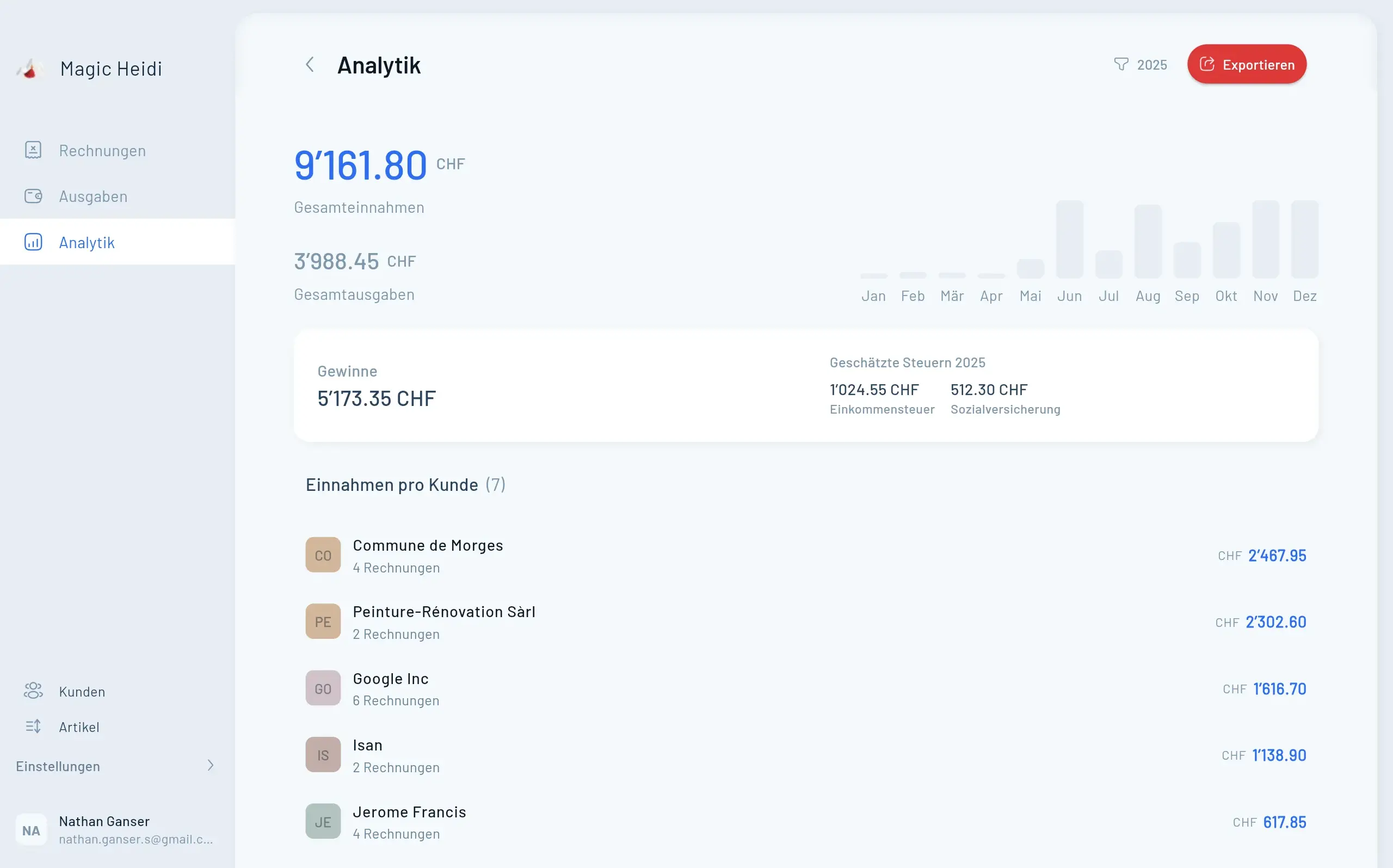
Professional Services Automation (PSA) Software
Führende Dienstleister nutzen PSA-Plattformen für Projektmanagement, Zeiterfassung, Ressourcenallokation und Rentabilitätsmessung. Für Kunden bedeutet das:
Bessere Sichtbarkeit: Echtzeit-Dashboards zeigen Projektstatus, Budgetverbrauch und Meilenstein-Fortschritt.
Höhere Genauigkeit: Automatisierte Zeiterfassung und Abrechnung reduziert Fehler und Streitigkeiten.
Bessere Ergebnisse: Datenbasierte Ressourcenallokation stellt sicher, dass die richtigen Experten an Ihren Projekten arbeiten.
Resultate: Organisationen mit PSA-Software erreichen 70,9% abrechenbare Ressourcenauslastung versus 68,3% ohne – ein Unterschied, der sich direkt auf Qualität und Kosteneffizienz auswirkt.
KI- und Automatisierungstrends
Professional Services setzen zunehmend KI ein für:
- Dokumentenanalyse und Vertragsüberprüfung
- Finanzprognosen und Anomalie-Erkennung
- Kundenservice-Automatisierung
- Marketing-Personalisierung
- HR-Kandidaten-Screening
Was das für Sie bedeutet: Moderne Anbieter können schnellere, genauere Ergebnisse zu niedrigeren Kosten liefern. Fragen Sie bei der Anbieter-Evaluation, wie sie Technologie nutzen, um die Service-Erbringung zu verbessern.
Professional Services in der Schweiz: Marktkontext
Der Schweizer Markt für Professional Services ist anspruchsvoll und wettbewerbsintensiv. Globale Firmen wie McKinsey, Boston Consulting Group und die Big Four Wirtschaftsprüfungsgesellschaften sind stark präsent neben spezialisierten lokalen Anbietern.
Pünktlichkeit, Genauigkeit und konstante Qualität
Französisch, Deutsch und Englisch
Tiefes Wissen über kantonale Unterschiede
Vertraulichkeit und Vertrauen
Der Schweizer Markt schätzt:
- Präzision und Zuverlässigkeit: Schweizer Unternehmen erwarten Pünktlichkeit, Genauigkeit und konstante Qualität
- Mehrsprachigkeit: Anbieter benötigen oft Französisch-, Deutsch- und Englischkenntnisse
- Regulatorische Expertise: Tiefes Wissen über kantonale Unterschiede und Schweiz-spezifische Vorschriften
- Diskretion: Die Schweizer Geschäftskultur betont Vertraulichkeit und Vertrauen
Für internationale Unternehmen in der Schweiz bieten Professional Services kritische lokale Expertise – Navigation von Steuerpflichten über Kantone hinweg, Verständnis von Arbeitsgesetzen und Zugang zu den richtigen Business-Netzwerken.
Ihre nächsten Schritte
Ein praktischer Fahrplan zur Implementierung von Professional Services in Ihrem Unternehmen.
1. Funktionen auditieren
Listen Sie alle operativen Aktivitäten auf und schätzen Sie die aufgewendete Zeit. Identifizieren Sie Engpässe und Wissenslücken.
2. Nach Impact priorisieren
Welche Funktionen hätten, wenn verbessert oder ausgelagert, die größte positive Wirkung? Starten Sie dort.
3. Anforderungen definieren
Dokumentieren Sie, was Sie brauchen – Umfang, erwartete Ergebnisse, Budgetrahmen und Zeitplan.
4. Anbieter evaluieren
Vergleichen Sie 3–5 Anbieter basierend auf Expertise, Ansatz, Chemie und geliefertem Mehrwert.
5. Mit Testphase starten
Testen Sie die Beziehung mit initialen projektbasierten Aufträgen, bevor Sie sich langfristig binden.
6. Messen & iterieren
Definieren Sie Erfolgs-Kennzahlen im Voraus. Überprüfen Sie quartalsweise und passen Sie Umfang oder Anbieter bei Bedarf an.
Los geht's: Ihre nächsten Schritte
1. Auditieren Sie Ihre aktuellen Funktionen. Listen Sie alle operativen Aktivitäten auf und schätzen Sie die für jede aufgewendete Zeit. Identifizieren Sie Engpässe und Bereiche, in denen Ihnen Expertise fehlt.
2. Priorisieren Sie nach Impact. Welche Funktionen hätten, wenn verbessert oder ausgelagert, die größte positive Wirkung auf Ihr Unternehmen? Starten Sie dort.
3. Definieren Sie klare Anforderungen. Bevor Sie Anbieter kontaktieren, dokumentieren Sie, was Sie brauchen – Umfang, erwartete Ergebnisse, Budgetrahmen und Zeitplan.
4. Evaluieren Sie 3–5 Anbieter. Wählen Sie nicht basierend auf einem einzigen Gespräch. Vergleichen Sie Expertise, Ansatz, Chemie und Mehrwert.
5. Starten Sie mit einer Testphase. Die meisten Anbieter bieten initiale projektbasierte Aufträge oder Kurzzeitverträge. Testen Sie die Beziehung, bevor Sie sich langfristig binden.
6. Messen und iterieren. Definieren Sie Erfolgs-Kennzahlen im Voraus. Überprüfen Sie quartalsweise, um sicherzustellen, dass Sie den erwarteten Mehrwert erhalten. Passen Sie Umfang oder Anbieter bei Bedarf an.
Strategische Unterstützung für nachhaltiges Wachstum
Professional Services und Business Support bedeuten nicht, Probleme auszulagern – sie bedeuten strategische Partnerschaften mit Experten, die Ihnen helfen, ein stärkeres, effizienteres Unternehmen aufzubauen. Die erfolgreichsten Unternehmen versuchen nicht, alles selbst zu machen.

Fazit: Strategische Unterstützung für nachhaltiges Wachstum
Professional Services und Business Support bedeuten nicht, Probleme auszulagern – sie bedeuten strategische Partnerschaften mit Experten, die Ihnen helfen, ein stärkeres, effizienteres Unternehmen aufzubauen.
Die erfolgreichsten Unternehmen versuchen nicht, alles selbst zu machen. Sie konzentrieren sich kompromisslos auf ihre Kernstärken und Wettbewerbsvorteile und nutzen spezialisierte Partner für alles andere.
Mit dem richtigen Professional Services Partner gewinnen Sie:
- 30% Verbesserung der operativen Effizienz
- Signifikante Kosteneinsparungen gegenüber internen Alternativen
- Zugang zu Expertise auf Expertenniveau über mehrere Bereiche
- Skalierbarkeit für Wachstum ohne Wachstumsschmerzen
- Zeit und Fokus für Investitionen in Strategie und Kunden
Ob Sie ein Start-up-Gründer mit zu vielen Hüten sind, ein KMU-Leiter, der Wachstumschallengesen navigiert, oder ein Unternehmen, das Operationen optimiert – Professional Services und Business Support bieten die Expertise, Kapazität und Flexibilität, um Ihre Ziele zu erreichen.
Bereit zu erkunden, wie Professional Services Ihr Geschäft beschleunigen können? Beginnen Sie mit einer ehrlichen Bewertung, wo Sie Zeit verbringen versus wo Sie Mehrwert schaffen. Die Lücken, die Sie identifizieren, sind Ihre größten Chancen für strategische Unterstützung.