
Relocation Guide 2026

Moving to Switzerland: Your Complete 2026 Guide

Switzerland offers unmatched quality of life, stunning Alpine landscapes, and a thriving economy. But moving here requires careful planning and navigating complex requirements. This guide walks you through everything.

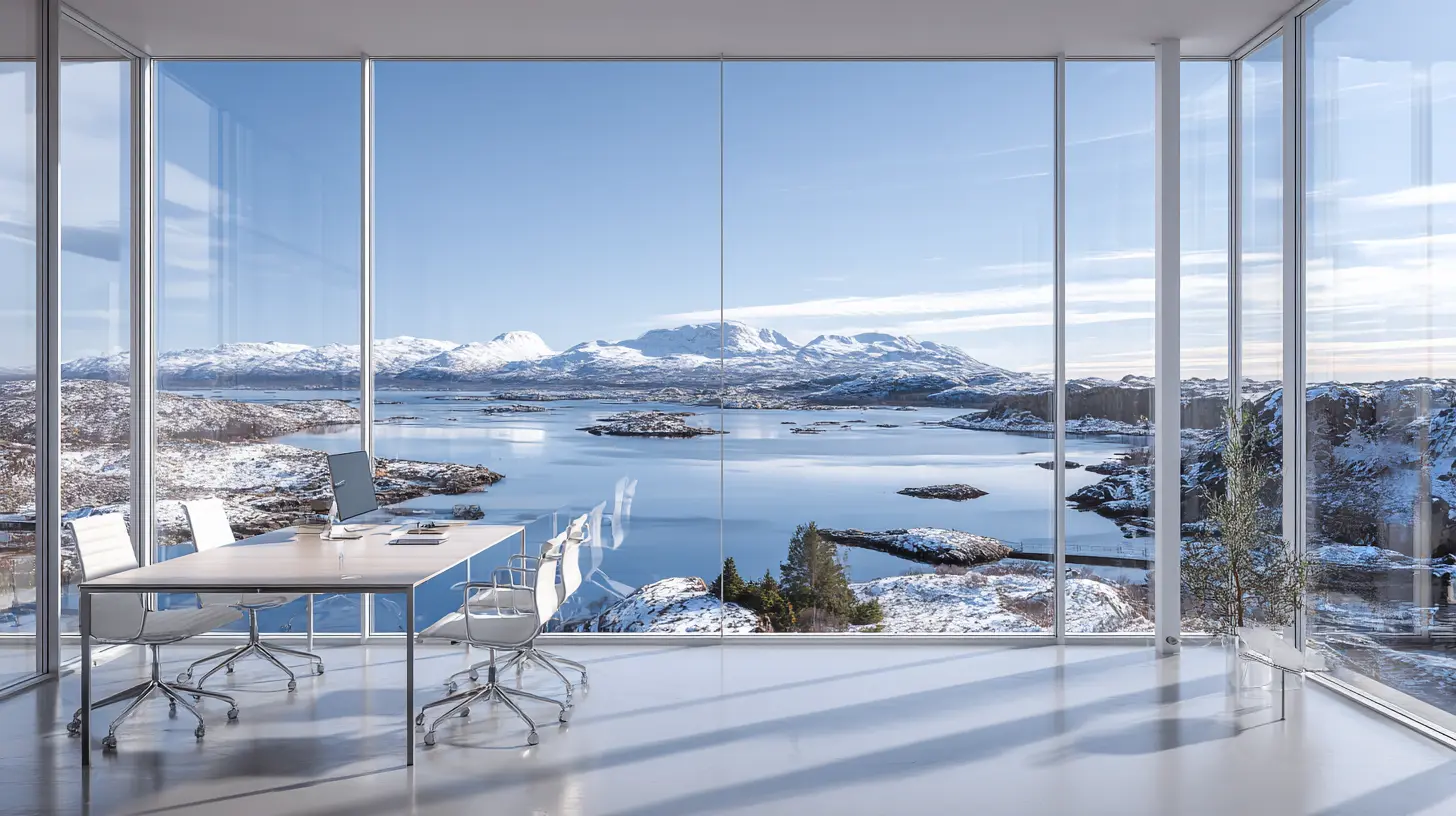
Swiss Alpine landscape

Moving to Switzerland? Here's What
You're Actually Up Against.

Relocating to Switzerland means dealing with selective immigration, expensive housing markets, and strict bureaucratic timelines. Missing one step can delay your entire move by months.

📋

Complex permits

Navigate work permits and residence requirements
💰

High costs

Understand true living expenses and budgeting
⏱️

Tight deadlines

14-day registration and 90-day requirements

Can You Actually Move to Switzerland?

Switzerland's immigration system is selective. Here's what you need:

EU/EFTA Citizens: You have freedom of movement. Register within 14 days of arrival, find work within 90 days, and you're set.

Non-EU Citizens: You'll need a job offer in a "highly qualified" position. Your employer must prove no Swiss or EU citizen can fill the role. Switzerland allocated 2,100 B-permits and 1,400 L-permits for UK nationals in 2026—and similar quotas apply to other non-EU countries.

Other Routes:

  • Students: Admission letter + CHF 21,000 proof of funds
  • Retirees: Lump-sum taxation (minimum age 55, significant financial resources)
  • Entrepreneurs: Business plan + substantial capital investment
  • Family reunification: Valid for spouses and children of permit holders

The bottom line: You need a compelling reason to move here, and for most people, that means a job offer.

Timeline Reality: Permit applications require approval at both federal and cantonal levels. Expect 3-6 months from application to approval.

Cost Breakdown

What Moving to Switzerland Actually Costs

Switzerland is expensive. Here's the honest breakdown of what you'll spend.

Expense CategoryZurichGenevaBasel/BernSmaller Towns
1-BR City CenterCHF 2,000-2,600CHF 1,900-2,800CHF 1,800-2,400CHF 1,400-1,900
1-BR Outside CenterCHF 1,500-2,100CHF 1,500-2,000CHF 1,400-1,800CHF 1,100-1,500
3-BR City CenterCHF 3,500-4,500CHF 3,400-4,300CHF 3,000-4,000CHF 2,400-3,200
Monthly Living (Single)CHF 1,500-2,000CHF 1,500-2,000CHF 1,400-1,800CHF 1,200-1,600
Monthly Living (Family of 4)CHF 5,000-6,000CHF 5,000-6,000CHF 4,500-5,500CHF 4,000-5,000

Monthly Living Costs Beyond Rent

Understanding your day-to-day expenses helps you budget accurately for Swiss life.

Swiss office environment

Cost Breakdown for
Single Person

These are typical monthly expenses beyond rent for a single person living in Switzerland.

📱 Phone/Internet CHF 50-100
💰 Total CHF 1,500-2,000/month
🏠 Excluding rent
Variable costs
🛒
Groceries

CHF 400-600

🏥
Health Insurance

CHF 400-470

🚊
Transportation

CHF 70-150

💡
Utilities

CHF 150-250

Upfront Housing Costs

Expect to pay 3 months' rent as deposit plus first month's rent—that's CHF 8,000-10,000 for a modest Zurich apartment before you even move in.

Buying Property

The median house price in Switzerland hit CHF 901,000 in 2026. Price per square meter averages CHF 7,900 for houses and CHF 8,650 for apartments.

Income Expectations

The high costs are offset by strong salaries. Switzerland's economy is booming, with fintech and pharma sectors projected to grow 3.9% annually through 2028.

Average Annual Salaries:

  • Software Engineer: CHF 100,000-130,000
  • Finance Professional: CHF 90,000-150,000
  • Healthcare Worker: CHF 80,000-110,000
  • Skilled Tradesperson: CHF 65,000-85,000
Moving Timeline

Your 6-Month Moving Timeline

Plan your move strategically with this proven timeline. Starting early prevents costly mistakes and deadline misses.

  • 🔍
    6 Months Before

    Research, job search, canton selection

  • 📋
    3-4 Months Before

    Documentation and paperwork

  • 🏠
    2 Months Before

    Housing search begins

  • ✈️
    1 Month Before

    Final preparations and logistics

Rechnungen
  • Rechnung #3

    Magic Heidi

    CHF 500

    Jan 29

  • Rechnung #2

    Webbiger LTD

    CHF 2000

    Jan 24

  • Rechnung #1

    John Doe

    CHF 600

    Jan 20

3-4 Months Before

Documentation Gathering

Collect all required documents well in advance

Required Documents

What You Need to Prepare

Start gathering these documents now to avoid delays

  • Valid passport (6+ months validity)
  • Biometric photos
  • Employment contract or admission letter
  • Proof of qualifications (diplomas, certificates)
  • Clean criminal record
  • Health insurance from home country (temporary)

Document preparation

Start Looking Early: Rental demand is fierce in cities. You'll need:

  • Proof of employment
  • Recent pay slips or contract
  • Reference letter from previous landlord
  • Debt enforcement register extract (obtained after arrival)

Consider Temporary Housing: Many people start with short-term rentals while searching for permanent housing.

1 Month Before: Final Preparations

  • Book moving company or arrange shipping
  • Notify your current utility providers
  • Set up mail forwarding
  • If bringing a car: gather ownership documents (must own 6+ months for duty exemption)
  • Plan pet relocation (Switzerland welcomes pets with proper vaccination records)

First 14 Days After Arrival:
Critical Steps

This is when things get real. Missing these deadlines can cause serious complications with your residency status.

14-day deadline
🚨 Critical timeline
📋 Multiple offices
Checklist ready
📝
Day 1-3 Register

Local residents' office registration

🏦
Week 1 Bank Account

Essential for rent and salary payments

🏥
Week 2 Health Insurance

Mandatory within 90 days of arrival

📱
Week 2 Setup Services

Phone, transportation, tax registration

Registration Process

Day 1-3: Register at Residents' Office

Your first official step in Switzerland

Registration

What to Bring

Visit your local municipal residents' registration office (Einwohnerkontrolle/Contrôle des habitants)

  • Valid passport
  • Employment contract or admission letter
  • Rental agreement
  • Biometric photos
  • Completed registration form
  • Outcome: Registration confirmation (needed for everything else)
Swiss registration office

Week 1: Open Bank Account

Swiss banking is essential for daily life. You'll need it to pay rent, receive salary, and pay bills.

Popular Banks for Expats:

  • UBS, Credit Suisse (now UBS)
  • Cantonal banks
  • Neon, Zak (digital-only, easier opening process)

Required Documents:

  • Passport
  • Registration confirmation
  • Employment contract
  • Proof of address

Week 2: Mandatory Health Insurance

You have 90 days to get insurance, but do it early. Coverage starts retroactively from your arrival date, and late registration means potential penalties.

How It Works:

  • Everyone chooses their own private insurance
  • Basic coverage (LAMal/KVG) is mandated by law
  • Covers 80-90% of common healthcare costs
  • You pay premiums directly to your insurer (not through employer)

Average Costs: CHF 400-470 per adult monthly for basic coverage. Children are cheaper at CHF 100-150.

Money-Saving Tip: Choose higher deductibles (CHF 2,500 vs CHF 300) to lower premiums if you're healthy.

Navigating Swiss Culture and Integration

Switzerland has four official languages and distinct regional cultures. Understanding local norms makes integration smoother.

Swiss cafe culture

Recycling Is Serious

Switzerland has strict recycling laws. Learn the system—glass by color, cardboard flattened, designated collection days. Improper disposal can result in fines.

Reserved but Friendly

Swiss people can seem distant initially, but relationships deepen over time. Join clubs, sports, or community groups to connect with locals.

Common Mistakes

Avoid These Common Mistakes

Underestimating Costs

Even with a good salary, Switzerland is expensive. Budget conservatively for your first year. Include upfront housing deposits, insurance, and higher daily expenses in your calculations.

Waiting Too Long to Find Housing

Start searching before arrival if possible. Good apartments disappear within days in major cities. Consider temporary housing while you search for permanent residence.

Ignoring Canton Differences

Tax rates vary dramatically between cantons. Zug's tax rate is nearly half of Geneva's. Research thoroughly before choosing where to live—this decision affects your finances significantly.

Skipping Language Classes

Language skills dramatically improve your experience and are increasingly required for permit renewals. Start learning the local language immediately, even if your workplace uses English.

Not Understanding Insurance Options

Take time to compare health insurance providers and coverage levels. You'll have this insurance for years—choosing the right option saves thousands annually.

Requirements for All Applicants

Regardless of nationality, you'll need:

  • Continuous legal residence in Switzerland
  • Integration proof (language skills, community involvement)
  • Financial stability demonstrated through employment
  • Clean record with no criminal history
  • Adherence to Swiss laws and values
Is Switzerland Right for You?

Switzerland Offers vs Demands

Make an informed decision about whether Switzerland fits your lifestyle and priorities.

CategoryWhat Switzerland OffersWhat Switzerland Demands
Quality of Life Exceptional standardHigh cost of living
Economy Strong job marketCompetitive requirements
Healthcare World-class systemExpensive insurance
Integration Safe, stable societyLanguage and cultural adaptation
Location Central Europe accessComplex bureaucracy

Swiss Alpine landscape

Ready to Start Your Swiss Journey?

Magic Heidi guides international professionals through every stage of relocation—from permit applications to finding housing, registering with authorities, and settling into Swiss life. We handle the complexity so you can focus on your new career.