
Relocation Guide

Moving to Switzerland: Your Complete Guide

Switzerland offers a high quality of life, Alpine landscapes and a strong economy. But the move needs careful planning and a few visits to the authorities. This guide takes you through it step by step.

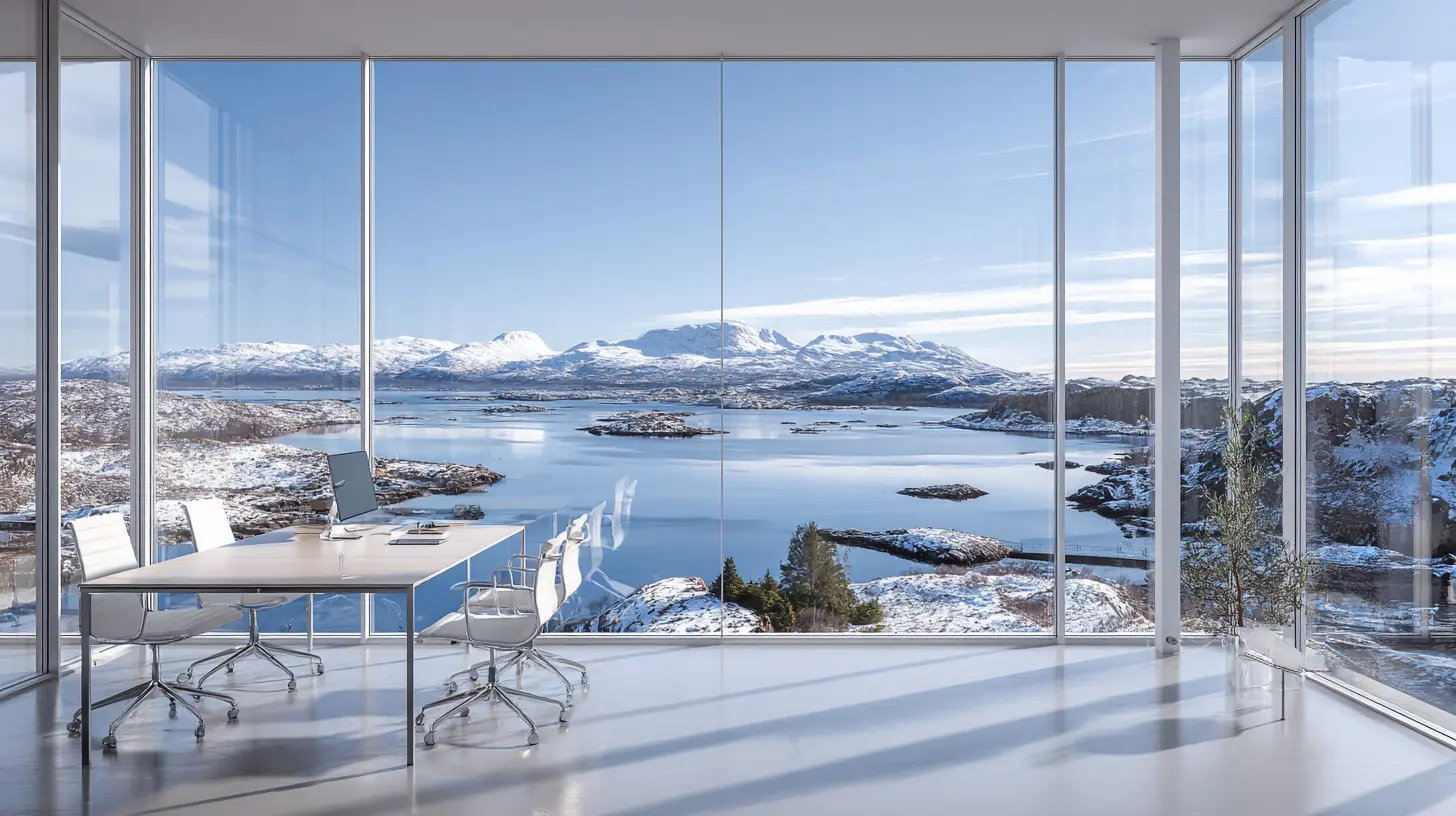
Swiss Alpine landscape

Moving to Switzerland? Here is what
is coming your way.

If you move to Switzerland, you face selective immigration, an expensive housing market and fixed deadlines. One missed step can delay the move by months.

πŸ“‹

Permits

Approach work and residence permits the right way
πŸ’°

High Costs

Budget realistically for the cost of living
⏱️

Tight Deadlines

Registration within 14 days, health insurance within 3 months

Can You Move to Switzerland at All?

Swiss immigration is selective. This is what you need:

EU/EFTA nationals: Free movement of persons applies to you. Register with your municipality within 14 days of entry and before starting work. For a stay of more than three months you need a residence permit; the requirement is employment, self-employment or sufficient financial means.

Third-country nationals: You need a job offer as a qualified specialist. Your employer must show that nobody from Switzerland or the EU/EFTA can be found for the position. Annual quotas set by the Federal Council apply to permits for third-country nationals.

Other routes:

  • Students: Confirmation of admission and proof of sufficient financial means
  • Retirees: Possible from age 55 with sufficient financial means and special personal ties to Switzerland
  • Entrepreneurs: Business plan and sufficient capital
  • Family reunification: For spouses and children of people with a permit

Bottom line: You need a compelling reason to move, and for most people that is a job offer.

Residence Permits

The Swiss Residence Permits

Depending on nationality and purpose of stay, there are different permits. This is what you need to know.

Permit L (Short-Term Stay)

For stays of up to one year, extendable to a total of two years at most. Common for fixed-term contracts or internships.

  • Valid for up to one year
  • Extendable to a total of two years at most
  • Tied to a specific job
  • Suitable for fixed-term contracts

Permit B (Residence)

The usual permit for a longer stay. For EU/EFTA nationals it is valid for five years, for third-country nationals it is usually renewed annually and is initially tied to the job.

  • Usual permit for people in employment
  • EU/EFTA: valid for five years
  • Third countries: usually renewed annually
  • Third countries: changing jobs may require authorisation

Permit C (Settlement)

Usually possible after ten years of lawful residence, after five years for nationals of the USA and Canada and many EU/EFTA states. You can change jobs freely.

  • After 10 years of residence (5 years for USA/Canada, among others)
  • Greatest freedom
  • Free change of job
  • Card is checked every 5 years

Time required: The cantonal authorities are involved in permit applications, and for third-country nationals the federal government as well. Depending on the canton, expect several weeks to months.

Costs Before Moving In

Expect a rental deposit of up to three months' rent (the legal maximum) plus the first month's rent before you move in.

Timeline

Your Timeline: 6 Months to the Move

Plan your move with this timeline. Starting early avoids costly mistakes and missed deadlines.

  • πŸ”
    6 Months Before

    Research, job search, choosing the canton

  • πŸ“‹
    3–4 Months Before

    Gather documents

  • 🏠
    2 Months Before

    Apartment search begins

  • ✈️
    1 Month Before

    Final preparations and logistics

Invoices
  • Invoice #3

    Magic Heidi

    CHF 500

    Jan 29

  • Invoice #2

    Webbiger LTD

    CHF 2000

    Jan 24

  • Invoice #1

    John Doe

    CHF 600

    Jan 20

6 Months Before

Research and Preparation

The foundation for a successful move

Find a job

Start the job search early. Personal contacts count for a lot with Swiss employers.

Choose a canton

Taxes, costs and culture differ. Research thoroughly.

Check your budget

Work out the costs of the first year, including the deposit and insurance.

Network actively

Use LinkedIn and local job portals to get in touch with Swiss employers.

3–4 Months Before

Gather Your Documents

Get all the necessary documents in time

Required Documents

What you need to prepare

Start collecting these documents now to avoid delays

  • Valid passport (valid for at least another 6 months)
  • Biometric passport photos
  • Employment contract or confirmation of admission
  • Proof of education (diplomas, certificates)
  • Criminal record extract with no entries
  • Health insurance from your home country (temporary)

Preparing documents

Start early: In the cities, demand for rental apartments is high. You need:

  • Proof of employment
  • Recent payslips or employment contract
  • Reference from your previous landlord
  • Debt enforcement register extract (you get it after arrival)

Consider a stopgap: Many people start in temporary accommodation and look for a permanent apartment from there.

1 Month Before: Final Preparations

  • Book a moving company or organise transport
  • Inform your current providers (electricity, internet)
  • Set up mail forwarding
  • If you bring a car: have the vehicle papers ready (for duty-free import as removal goods, you must have used it for at least 6 months)
  • Plan the entry of pets (with the necessary vaccination certificates)

The First 14 Days After Arrival:
The Key Steps

Now it gets serious. If you miss these deadlines, you risk problems with your residence status.

⏰ 14-Day Deadline
🚨 Fixed Deadlines
πŸ“‹ Several Offices
βœ… Checklist Ready
πŸ“
Day 1–3 Register

Registration at the residents' office

🏦
Week 1 Bank Account

Needed for rent and salary

πŸ₯
Week 2 Health Insurance

Mandatory within 3 months of arrival

πŸ“±
Week 2 Set Up

Phone, public transport, taxes

Registration

Day 1–3: Registration at the Residents' Office

Your first official step in Switzerland

Registration

What you need to bring

Go to the residents' office of your municipality (ContrΓ΄le des habitants in French-speaking Switzerland)

  • Valid passport
  • Employment contract or confirmation of admission
  • Rental agreement
  • Biometric passport photos
  • Completed registration form
  • Result: registration confirmation (you need it for everything else)
Residents' office in Switzerland

Week 1: Open a Bank Account

Without a Swiss bank account little works in everyday life: you need it for rent, salary and your invoices.

Possible banks:

  • UBS
  • Cantonal banks
  • Neon, Zak (fully digital)

Documents needed:

  • Passport
  • Registration confirmation
  • Employment contract
  • Proof of address

Week 2: Mandatory Health Insurance

You have three months to take it out, but take care of it early. If you register within this period, coverage applies retroactively from your arrival, and you owe the premiums from that date.

How it works:

  • Each person chooses their own health insurer
  • Basic insurance (KVG) is required by law
  • You pay the premiums directly to the insurer (not through your employer)

Costs: Premiums depend on canton, age, insurer and deductible. Compare them with the federal premium calculator at priminfo.admin.ch.

Money-saving tip: If you are healthy, a higher deductible (CHF 2'500 instead of CHF 300 for adults) lowers the premium.

Swiss Culture and Integration

Switzerland has four national languages and distinct regional cultures. If you know the local customs, settling in is easier.

CafΓ© in Switzerland
Integration

Important Customs

These unwritten rules help you settle in faster and avoid typical beginner mistakes.

Punctuality Counts

Arriving late is considered rude. Better to be five minutes early, whether for meetings, invitations or appointments.

  • Five minutes early is on time
  • Appointments are planned precisely
  • If you are late, you apologise
  • Applies at work and in private life

Language

In large cities and international companies you can get by with English, but the local language makes settling in easier. Language skills are required for family reunification from third countries.

  • German (Zurich, Basel, Bern)
  • French (Geneva, Lausanne)
  • Italian (Ticino)
  • Start learning early

Respect Quiet Hours

Municipalities and house rules set them, night quiet from 10 pm is common. Sunday is a day of rest: most shops are closed, noisy work is not allowed.

  • Night quiet usually from 10 pm
  • Sunday is a day of rest
  • Waste is separated
  • Reserved, but friendly

Separate Your Waste

In Switzerland waste is separated consistently. Learn your municipality's system: glass by colour, cardboard bundled, fixed collection days. If you dispose of it wrongly, you risk a fine.

Reserved, but Friendly

Swiss people often seem distant at first, relationships grow over time. Clubs, sport and neighbourhood groups are a good way to meet people.

Common Mistakes

Mistakes You Should Avoid

Underestimating the costs

Even with a good salary, Switzerland is expensive. Budget carefully for the first year and factor in the rental deposit, insurance and higher everyday costs.

Starting the apartment search too late

If possible, search before you arrive. Good apartments in the big cities are gone quickly. Temporary accommodation bridges the search.

Overlooking differences between cantons

The tax burden differs greatly between cantons and municipalities. Compare it with the federal tax calculator (swisstaxcalculator.estv.admin.ch) before you choose where to live.

Skipping language courses

Language skills make everyday life much easier and play a role in permits. Start learning the local language right away, even if English is spoken at work.

Not comparing health insurers

Take the time to compare insurers and models. The choice can save you a lot of money every year.

Settlement

The Path to the Settlement Permit

Deadlines and requirements for Permit C

Nationals of the USA and Canada

Permit C possible after five years of uninterrupted lawful residence.

Other third-country nationals

Usually ten years of residence before Permit C is possible.

EU/EFTA nationals

Five years for nationals of many EU/EFTA states, ten years for the others, depending on the settlement agreement.

Requirements for Everyone

Regardless of nationality, you need:

  • Uninterrupted lawful residence in Switzerland
  • Proof of integration (language skills, participation in social life)
  • Financial independence, for example through gainful employment
  • A clean record
  • Respect for the legal order and the values of the Federal Constitution
Is Switzerland Right for You?

What Switzerland Offers and Demands

Decide in an informed way whether Switzerland fits your life and your priorities.

AreaWhat Switzerland offersWhat Switzerland demands
Quality of lifeβœ“ High standardHigh cost of living
Economyβœ“ Strong job marketHigh requirements
Healthβœ“ Very good careExpensive health insurance
Integrationβœ“ Safe, stable societyLearn the language and adapt
Locationβœ“ In the middle of EuropeMany visits to authorities

Ready to Start in Switzerland?

If you work self-employed in Switzerland, Magic Heidi is your app for invoices with QR-bill, expenses and VAT.