Rechnungsnummer vergeben: System, Beispiele und was Pflicht ist
Wer Rechnungsnummern vergeben will, braucht keine abstrakte Definition, sondern ein System, das trägt: Muss die Nummer lückenlos fortlaufend sein, welches Format funktioniert mit QR-Rechnungen, wie sieht ein gutes Schema konkret aus und was mache ich bei einem Fehler? Genau darauf konzentriert sich dieser Guide.
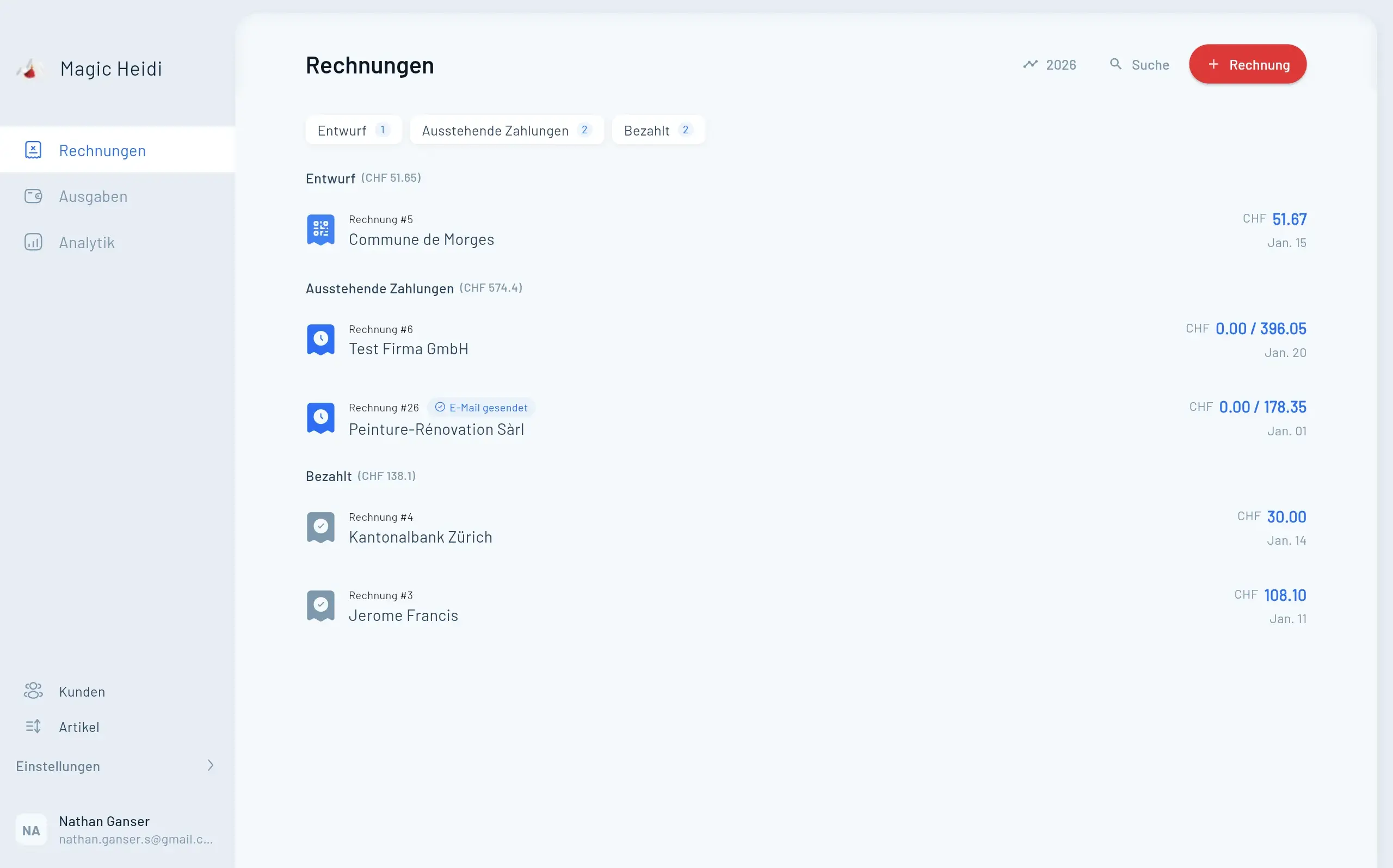
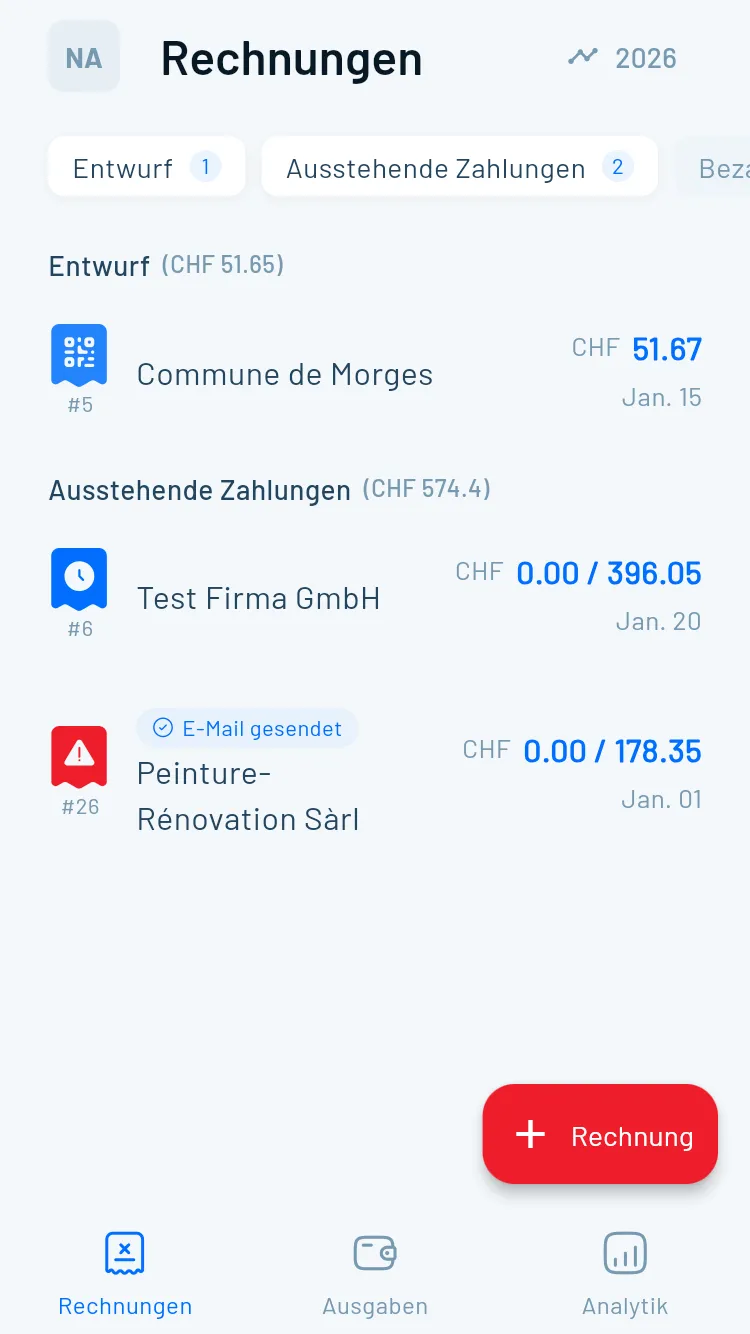
So vergeben Sie eine Rechnungsnummer in drei Schritten: Legen Sie ein Schema fest (zum Beispiel RE-2026-001), starten Sie bei der ersten Rechnung des Jahres mit 001 und zählen Sie ab da bei jeder neuen Rechnung um eins hoch — ohne Lücken, ohne Rückdatierung, ohne Doppelvergabe. Drei erprobte Schemata mit Beispielen finden Sie weiter unten auf dieser Seite.
Kurzantwort: In der Schweiz ist eine Rechnungsnummer in der Praxis fast immer sinnvoll, aber auf den offiziellen MWST-Seiten des KMU-Portals gehört sie nicht zu den ausdrücklich aufgelisteten formellen Mindestangaben einer Rechnung. Für Schweizer Freelancer, Einzelfirmen und kleine Unternehmen ist die praktisch hilfreiche Regel deshalb diese:
- geschäftlich regelmässig fakturieren = immer mit eindeutiger Rechnungsnummer arbeiten
- einmalige Privat- oder Gelegenheitsrechnung = ohne Rechnungsnummer meist trotzdem nachvollziehbar
Wichtig ist die nächste Unterscheidung:
- Die Rechnungsnummer identifiziert Ihre Rechnung.
- Die Kundennummer identifiziert den Kunden.
- Die Bestellnummer identifiziert den Auftrag des Kunden.
- Die QR-Referenz oder Referenznummer steuert den Zahlungseingang.
Online wird das oft vermischt. Genau das führt später zu unnötigen Rückfragen, falsch zugeordneten Zahlungen und peinlichen Korrekturen.
Wenn Sie grundsätzlich zuerst klären möchten, was überhaupt auf eine Schweizer Rechnung gehört, starten Sie mit unserem Guide Rechnung Schweiz. Wenn Ihr Hauptproblem eher das Formulieren und Gestalten der Rechnung ist, hilft auch die Rechnungsvorlage Schweiz.
Was Suchende bei Rechnungsnummer Schweiz meistens wirklich wissen wollen
Die praktische Unsicherheit ist fast nie bloss «Was ist eine Rechnungsnummer?», sondern eher: Mache ich ohne sie etwas falsch, und welches System spart mir später Ärger?
Ist sie gesetzlich Pflicht?
Viele Seiten behaupten das pauschal. Für die Schweiz ist die Antwort differenzierter.Muss sie fortlaufend sein?
Nicht jedes sinnvolle System sieht gleich aus. Entscheidend ist zuerst die eindeutige Zuordnung.Wo gehört sie hin?
Sie sollte sichtbar sein und klar als Rechnungsnummer erkennbar bleiben.Was ändert sich bei QR-Rechnungen?
Spätestens dort wird das Format praktischer und technischer als viele erwarten.Ist eine Rechnungsnummer in der Schweiz Pflicht?
Hier lohnt sich ein genauer Blick, weil online oft deutsche oder allgemein-europäische Regeln mit Schweizer Praxis vermischt werden.
Offizielle MWST-Kriterien
Das Schweizer KMU-Portal listet die Rechnungsnummer nicht ausdrücklich unter den formellen Elementen der Rechnung auf.
Geschäftliche Praxis
Softwareanbieter, Buchhaltungstools und Unternehmensrichtlinien arbeiten fast immer mit eindeutigen Rechnungsnummern.
Privat und einmalig
Bei einzelnen Gelegenheitsrechnungen ist eine Zuordnung oft auch ohne eigene Nummer noch möglich.
Regelmässige Fakturierung
Sobald mehrere Rechnungen, Mahnungen oder QR-Zahlungen im Spiel sind, wird eine Rechnungsnummer praktisch unverzichtbar.
Die ehrliche Antwort
Das Schweizer KMU-Portal nennt auf seinen aktuellen Seiten zur Rechnungsstellung unter anderem Name und Adresse des Lieferanten, Empfänger, Leistungsdatum, Leistungsbeschreibung, Preis sowie MWST-Angaben. Eine Rechnungsnummer wird dort nicht ausdrücklich als formelles Pflichtfeld aufgeführt.
Genau deshalb ist es riskant, pauschal zu schreiben: «Ohne Rechnungsnummer ist eine Schweizer Rechnung ungültig.» Diese Aussage taucht online zwar regelmässig auf, lässt sich aber in dieser Absolutheit aus den offiziellen Schweizer MWST-Kriterien nicht sauber ableiten.
Gleichzeitig wäre die Schlussfolgerung «Dann brauche ich gar keine Rechnungsnummer» für die Praxis fast immer falsch. Denn sobald Sie:
- wiederkehrend fakturieren,
- Zahlungserinnerungen oder Mahnungen verschicken,
- Gutschriften oder Stornos dokumentieren,
- Zahlungen automatisiert abgleichen,
- oder mit QR-Rechnungen arbeiten,
wird eine eindeutige Rechnungsnummer sehr schnell zum saubersten Weg.
Die nützlichste Schweizer Faustregel lautet daher:
- rechtlich nicht pauschal als eigenes Pflichtfeld abgesichert
- operativ fast immer dringend zu empfehlen
Das ist auch das klare Muster in der Mehrsprachen-Recherche über deutsch-, französisch-, italienisch- und englischsprachige Seiten hinweg.
Rechnungsnummer, Kundennummer, Bestellnummer und Referenz: was ist der Unterschied?
Gerade auf Schweizer Rechnungen und in QR-Workflows werden diese Nummern oft verwechselt. Für weniger Rückfragen sollte jede Nummer nur eine Aufgabe haben.
| Begriff | Wofür steht er? | Bleibt gleich oder ändert sich? | Typisches Beispiel |
|---|---|---|---|
| Rechnungsnummer | Identifiziert genau diese eine Rechnung | Ändert sich bei jeder neuen Rechnung | 2026-0012 |
| Kundennummer | Identifiziert den Kunden in Ihrem System | Bleibt für denselben Kunden meist gleich | K-1047 |
| Bestellnummer | Identifiziert den Auftrag oder die Bestellung des Kunden | Bleibt für denselben Auftrag oft gleich | PO-77821 |
| QR-Referenz / Referenznummer | Hilft beim automatischen Zahlungsabgleich | Wird pro Zahlung bzw. Rechnung erzeugt | 002000000000123456789012345 |
Warum diese Unterscheidung so wichtig ist
Viele kleine Unternehmen nutzen anfangs dieselbe Nummer für fast alles. Das wirkt einfach, wird aber schnell unübersichtlich:
- Der Kunde nennt am Telefon seine Bestellnummer, Sie suchen aber nach Ihrer Rechnungsnummer.
- Auf der Überweisung steht nur eine Referenz, intern suchen Sie aber nach dem Beleg.
- Bei einer Mahnung brauchen Sie die offene Rechnung, nicht bloss den Kunden.
Deshalb ist die beste Systematik meist nicht die kreativste, sondern diejenige, bei der jede Nummer nur eine Aufgabe erfüllt.
Wie eine gute Rechnungsnummer in der Schweiz aussieht
Es gibt nicht das eine perfekte Format. Aber gute Systeme folgen fast immer denselben Prinzipien.
Eindeutig
Jede Rechnung bekommt genau eine Nummer. Nie doppelt, nie rückwirkend neu verwendet.
- keine Doppelvergabe
- saubere Zuordnung zu einer Rechnung
- hilft bei Mahnung und Zahlung
- vereinfacht Rückfragen
Konsistent
Verwenden Sie ein festes Schema statt spontaner Einzelideen.
- gleiche Logik für alle Rechnungen
- auch im nächsten Jahr noch lesbar
- passt zu Ablage und Suche
- senkt Fehlerquote
Elektronisch lesbar
Gerade bei QR-Rechnungen und Software-Importen lohnen sich schlichte, robuste Formate.
- wenig Sonderzeichen
- klare Zeichenlänge
- keine verwirrenden Mischformate
- bei QR-Workflows oft nur Zahlen sinnvoll
Nachvollziehbar
Sie selbst sollten sofort erkennen, ob eine Nummer plausibel ist und wohin sie gehört.
- Jahr oder Periode oft hilfreich
- einfache Sortierung
- Lücken nicht heimlich füllen
- Stornos separat dokumentieren
Sinnvolle Beispielsysteme für Schweizer Freelancer und kleine Firmen
Entscheidend ist nicht das schickste Format, sondern eines, das Sie auch in sechs Monaten noch ohne Nachdenken verstehen.
Drei praxistaugliche Systeme
1. Einfach und robust: Jahr + laufende Nummer
2026-001
2026-002
2026-003
Das ist für viele Freelancer die beste Lösung. Sie ist einfach, gut sortierbar und leicht am Telefon zu nennen.
2. Monatlich oder periodisch strukturiert
2026-04-001
2026-04-002
2026-05-001
Sinnvoll, wenn Sie sehr viele Rechnungen schreiben und schnell nach Zeitraum filtern wollen.
3. Mit Kundenbezug
KD1047-2026-001
KD1047-2026-002
KD2091-2026-001
Nützlich, wenn Sie stark kundenbezogen arbeiten. Gleichzeitig steigt aber das Risiko, dass Rechnungsnummer und Kundennummer später verwechselt werden.
Welche Variante für die meisten am besten ist
Für die meisten Schweizer Einzelfirmen, Freelancer und kleinen Dienstleister ist Jahr + laufende Nummer das sauberste System:
- leicht lesbar
- wenig fehleranfällig
- gut für PDF-Ablage
- gut für Rückfragen und Mahnungen
- unkompliziert in Tools und Tabellen
Wenn Sie noch mit Word oder Excel arbeiten, ist diese Einfachheit besonders wertvoll.
Bei QR-Rechnungen wird die Rechnungsnummer technischer
Sobald Ihre Rechnungsnummer Teil von Referenz- oder Abgleichlogik wird, zählen nicht nur Lesbarkeit, sondern auch Formatregeln.
IBAN-Workflows
Je nach Software sind bei QR-Rechnungen oft nur Buchstaben und Zahlen ohne Sonderzeichen sinnvoll.
QR-IBAN-Workflows
Hier werden Nummern häufig noch restriktiver behandelt, oft nur numerisch.
Automatischer Abgleich
Unsaubere Formate können später den Zahlungsimport oder die automatische Zuordnung stören.
Weniger kreativ, mehr stabil
Bei QR-Rechnungen gewinnt fast immer das schlichte, systematische Format.
Was die Mehrsprachen-Recherche bei QR-Rechnungen zeigt
Hier wird der Unterschied zwischen rechtlich möglich und technisch sinnvoll besonders sichtbar.
Die italienisch- und englischsprachige Banana-Dokumentation aus der Schweiz beschreibt sehr konkret: Wenn Kunden- und Rechnungsnummer in QR-Referenzlogik einfliessen, gelten je nach Konto- und Referenztyp Format- und Längenregeln. Sonderzeichen können entfernt werden, und zu lange oder uneinheitliche Nummern erschweren den automatischen Zahlungsabgleich.
Für die Praxis heisst das:
- Ohne QR-Rechnung haben Sie bei der Rechnungsnummer relativ viel Freiheit.
- Mit QR-Rechnung sollten Sie schlichte, systematische und softwaretaugliche Formate bevorzugen.
- Wer später auf QR-IBAN oder automatischen Import wechseln will, fährt mit nur numerischen oder sehr einfachen alphanumerischen Formaten oft besser.
Wenn Sie gerade den Zahlungsstandard umsetzen oder prüfen, passt auch unser Guide QR-Rechnung erstellen.
Was DE / FR / IT / EN Quellen
gemeinsam sagen und wo sie anders gewichten
Die Wortwahl ändert sich, das Grundmuster bleibt aber erstaunlich stabil.
Deutschsprachige Schweizer Seiten betonen die Frage, ob eine Rechnungsnummer Pflicht ist, und warnen vor Doppelvergaben.
Französische Seiten legen starken Wert auf ein verständliches, eindeutiges System und die sichtbare Platzierung auf der facture.
Italienischsprachige Schweizer Inhalte werden technischer und zeigen, wie Nummern in QR- und Zahlungsabgleich einfliessen.
Englische Seiten aus dem Schweizer Software- und Invoicing-Umfeld betonen vor allem uniqueness, correction handling und compatibility.
Der interessante Befund aus der Recherche
Die grösste Gemeinsamkeit über alle Sprachräume hinweg ist nicht die juristische Aussage, sondern der operative Nutzen:
- Rechnungsnummern helfen, Rechnungen eindeutig zuzuordnen.
- Sie erleichtern Zahlung, Suche, Mahnung und Storno.
- Sie werden mit wachsender Formalisierung des Zahlungsprozesses wichtiger.
Die Unterschiede liegen eher in der Gewichtung:
- DE / FR / EN erklären stärker die Frage Pflicht oder nicht?
- IT / EN gehen stärker auf den technischen Zusammenhang mit QR-Rechnungen und Zahlungserfassung ein.
Genau daraus ergibt sich für Schweizer Suchende die nützlichste Antwort: nicht dogmatisch auf «Pflicht» starren, sondern ein sauberes System wählen, das im Alltag funktioniert.
Die häufigsten Fehler bei Rechnungsnummern
Diese Fehler sind selten dramatisch im Moment, aber sie verursachen später besonders viel unnötige Nacharbeit.
Doppelte Nummern
Der Klassiker bei manuellen Vorlagen. Führt schnell zu Verwechslungen und Zahlungsverzögerungen.Rückwirkend umnummerieren
Sorgt später für Chaos in Ablage, Buchhaltung und Mahnlauf.Zu viele Bedeutungen in einer Nummer
Wenn Rechnungs-, Kunden- und Auftragslogik vermischt werden, wird jede Suche mühsam.Zu viele Sonderzeichen
Sie wirken kreativ, sind aber in Exporten und QR-Prozessen oft die erste Fehlerquelle.Lücken heimlich füllen
Besser sauber dokumentieren, warum eine Nummer nicht verwendet wurde, als später rückwirkend neu zu ordnen.Fehler auf bezahlten Rechnungen überschreiben
Nach einer abgeschlossenen Transaktion ist eine Storno- oder Korrekturlogik meist sauberer als stilles Ersetzen.Was tun, wenn eine Rechnungsnummer falsch oder doppelt ist?
Solange die Rechnung noch nicht bezahlt und intern nicht sauber abgeschlossen ist, ist der übliche Weg:
- neue korrekte Rechnung erstellen
- falsche Version klar ersetzen
- Kunden kurz informieren
Ist die Rechnung bereits bezahlt oder fest verbucht, ist ein stilles Austauschen meistens die schlechtere Lösung. Dann braucht es eher eine saubere Storno- oder Korrekturlogik, damit die Dokumentation nachvollziehbar bleibt.
Dazu passt auch unser Guide Stornorechnung Schweiz, wenn Sie eine falsche Rechnung sauber korrigieren müssen.
Häufige Fragen zu Rechnungsnummer Schweiz
Ist eine Rechnungsnummer in der Schweiz gesetzlich Pflicht?
Die offiziellen Schweizer MWST-Seiten zur Rechnungsstellung führen sie nicht ausdrücklich als formelles Pflichtfeld auf. In der Geschäftspraxis ist sie trotzdem fast immer sehr sinnvoll und bei regelmässiger Fakturierung klar zu empfehlen.
Muss die Rechnungsnummer fortlaufend sein?
Ein fortlaufendes System ist sehr sinnvoll, aber wichtiger als die perfekte Strenge ist zuerst die eindeutige Zuordnung jeder Rechnung. Entscheidend ist, dass keine Nummer doppelt vergeben wird und Ihr System nachvollziehbar bleibt.
Darf ich jedes Jahr wieder bei 001 anfangen?
Ja, wenn das System weiterhin eindeutig bleibt, zum Beispiel mit Jahresbezug wie 2026-001, 2027-001. Ohne Jahresbezug würde das schnell unklar.
Kann ich die Kundennummer als Rechnungsnummer verwenden?
Besser nicht. Die Kundennummer identifiziert den Kunden, die Rechnungsnummer die einzelne Rechnung. Beides zu vermischen macht Suche, Mahnung und Zahlungsabgleich unnötig kompliziert.
Wo sollte die Rechnungsnummer stehen?
Gut sichtbar auf der Rechnung, zum Beispiel im Kopfbereich oder direkt beim Titel. Sie sollte klar als Rechnungsnummer bezeichnet sein und nicht mit Referenz-, Kunden- oder Bestellnummer verwechselt werden können.
Geht eine einmalige Privat-Rechnung auch ohne Rechnungsnummer?
Oft ja, wenn der Vorgang durch Datum, Parteien, Leistung und Betrag trotzdem klar zugeordnet werden kann. Für wiederkehrende oder geschäftliche Rechnungen ist eine Nummer aber die deutlich bessere Praxis.
Was ist bei QR-Rechnungen besonders wichtig?
Dort zählt neben der Eindeutigkeit auch die technische Kompatibilität. Je nach QR-Setup sind nur bestimmte Zeichen und Längen sinnvoll, weil Kunden- und Rechnungsnummer in Referenzlogik und Zahlungsabgleich einfliessen können.
Die beste Rechnungsnummer ist nicht die originellste. Sondern die, die später keinen Ärger macht.
Wenn Sie Rechnungen, QR-Zahlungen und Mahnungen nicht mehr manuell zusammenhalten möchten, hilft ein klarer Schweizer Workflow. Magic Heidi unterstützt Sie beim Schreiben, Versenden und Nachverfolgen Ihrer Rechnungen.
Quellen für diese Seite:
- KMU-Portal DE – Rechnungsstellung
- KMU-Portal FR – Facturation
- KMU-Portal IT – Compilazione delle fatture
- bexio DE – Rechnungsnummer
- bexio FR – Numéro de facture
- bexio EN – Invoice number
- Banana IT – Come definire Numero Cliente e Numero Fattura
- Banana EN – How to define Customer Number and Invoice Number
- Vertec – Verwendung von Rechnungsnummern
- Swisscom – Rechnungen ohne Bestellauftrag
Geprüft im April 2026. Diese Seite beschreibt die übliche Schweizer Praxis für Freelancer und kleine Unternehmen und ersetzt keine verbindliche Rechts- oder Steuerberatung für Sonderfälle.