Mahnwesen Schweiz: den Mahnprozess aufbauen statt nur reaktiv nachzufassen
Wer nach Mahnwesen Schweiz sucht, will meist keine trockene Definition. Die eigentliche Frage lautet: Wie bauen Sie einen klaren Ablauf mit definierten Stufen und Fristen auf, ohne Ihr kleines Unternehmen mit unnötiger Komplexität zu belasten? Fertige Texte für die einzelnen Stufen finden Sie unter Mahnung Vorlage Schweiz.
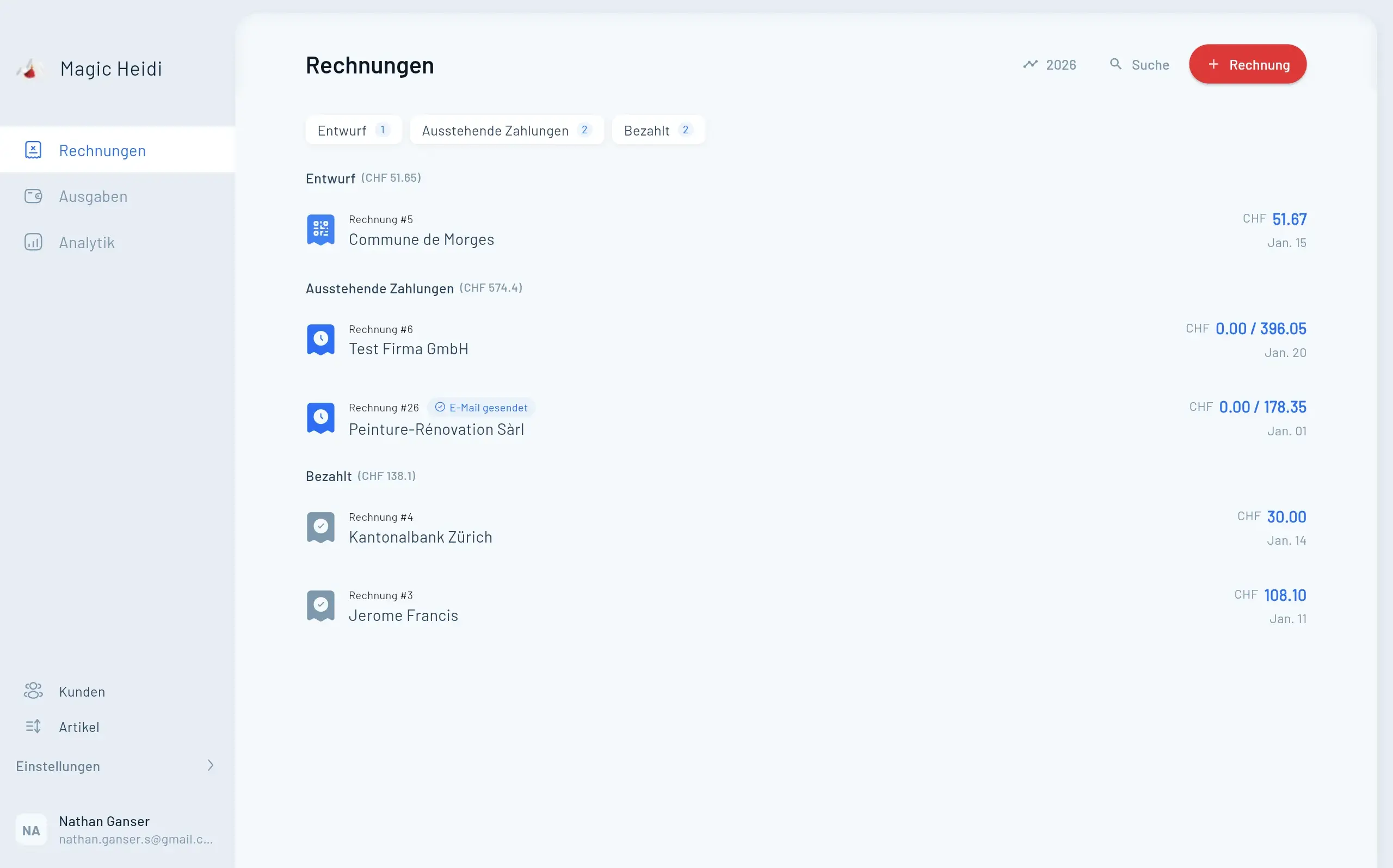
Kurzantwort: Das Mahnwesen umfasst in der Schweiz den gesamten Ablauf rund um überfällige Rechnungen: Fälligkeiten überwachen, Zahlungserinnerungen senden, Mahnstufen sauber steuern, Verzugsfälle dokumentieren und bei Bedarf den Weg Richtung Betreibung vorbereiten. Für sehr kleine Unternehmen reicht anfangs oft ein einfacher, konsequent geführter Prozess. Sobald aber mehrere offene Rechnungen parallel laufen, Nachfassaktionen wiederkehrend werden oder verspätete Zahlungen die Liquidität spürbar belasten, lohnt sich ein strukturiertes Mahnwesen.
Wichtig ist nicht, ob Sie sofort ein grosses ERP brauchen. Wichtig ist, ob Sie jederzeit beantworten können:
- Welche Rechnungen sind offen, fällig oder bereits überfällig?
- Welche Kundinnen oder Kunden wurden schon erinnert und mit welcher Frist?
- Wann beginnt ein Fall vom normalen Nachfassen in eine echte Eskalation zu kippen?
- Welche offenen Beträge gefährden inzwischen Ihre Liquidität?
Genau darum geht es auf dieser Seite: Was bedeutet Mahnwesen in der Schweiz praktisch, wie sieht ein sinnvoller Ablauf aus und was schreiben gute Quellen in DE, FR, IT und EN dazu?
Was Suchende beim Mahnwesen wirklich klären wollen
Die nützlichsten Inhalte online behandeln fast nie nur eine einzelne Mahnung. Sie beantworten denselben praktischen Prozess in verschiedenen Sprachen.
Wo beginnt Mahnwesen überhaupt?
Schon bei der fälligen Rechnung, nicht erst bei der letzten Drohung.Wie viele Stufen sind sinnvoll?
Meist eine freundliche Erinnerung plus eine oder zwei klarere Mahnungen.Was ist rechtlich wirklich wichtig?
Fälligkeit, Verzug, Verzugszins und eine saubere Dokumentation.Wann wird das ein Liquiditätsthema?
Sobald offene Forderungen nicht mehr nur Ausnahmen sind, sondern sich stapeln.Was ist Mahnwesen?
Mahnwesen ist nicht bloss das Schreiben einer Vorlage, sondern der organisierte Prozess zwischen Fälligkeit und nächstem Eskalationsschritt.
Fälligkeit überwachen
Sie sehen, welche Rechnungen bald fällig, fällig oder bereits überfällig sind.
Nachfassen mit System
Zahlungserinnerung, Mahnung und letzte Frist folgen einem klaren Rhythmus statt Bauchgefühl.
Kommunikation dokumentieren
Sie wissen, wann was versendet wurde und welche Frist zuletzt gesetzt war.
Liquidität schützen
Offene Forderungen werden nicht nur gesehen, sondern aktiv bearbeitet.
Was gute Quellen in DE, FR, IT und EN online gemeinsam betonen
Die Begriffe wechseln, der Prozess fast nie:
- Deutsch spricht von Zahlungserinnerung, Mahnung, Mahnlauf oder Mahnwesen und erklärt den Ablauf meist als Mischung aus sauberer Debitorensteuerung und pragmatischer Eskalation.
- Französische Quellen arbeiten mit rappel de paiement und sommation und betonen oft, dass der Unterschied in der Praxis vor allem im Ton und in der Dringlichkeit liegt.
- Italienische Beiträge sprechen von sollecito di pagamento und diffida, also ebenfalls von Stufen, die mit jeder Runde direkter werden.
- Englische Schweizer Quellen beschreiben denselben Ablauf unter payment reminder, demand for payment und anschliessender debt enforcement.
Über alle vier Sprachräume hinweg tauchen dieselben Muster auf:
- Zu spät bezahlte Rechnungen belasten vor allem KMU und Selbstständige über die Liquidität.
- Es gibt in der Schweiz keine starre offizielle Pflicht zu mehreren Mahnstufen.
- Eine freundliche erste Erinnerung ist üblich und sinnvoll, auch wenn sie nicht immer zwingend ist.
- Jede Stufe sollte eine neue konkrete Frist und einen klaren Rechnungsbezug enthalten.
- Gutes Mahnwesen ist ein Prozess, kein einzelner Mustertext.
Genau deshalb reicht eine gute Vorlage allein oft nicht. Wer Mahnwesen googelt, sucht meist den ganzen Ablauf hinter der Vorlage.
Zahlungserinnerung, Mahnung oder schon Betreibung?
Diese Stufen beantworten unterschiedliche Fragen, auch wenn sie online oft vermischt werden.
| Stufe | Typische Frage | Ton und Ziel | Nächster Schritt |
|---|---|---|---|
| Zahlungserinnerung | Ist die Rechnung vielleicht einfach untergegangen? | Freundlich, sachlich, neue Frist setzen | Bezahlen oder kurz Rückmeldung geben |
| 1. Mahnung | Die Rechnung ist klar offen - wie werden wir deutlicher? | Direkter, aber noch lösungsorientiert | Verzug klar benennen, kurze Frist |
| Letzte Mahnung | Ist jetzt ein echter Eskalationspunkt erreicht? | Unmissverständlich, Frist und Konsequenz klar | Betreibung oder andere rechtliche Schritte prüfen |
| Betreibung | Wird die Forderung aussergerichtlich nicht mehr erfüllt? | Kein Mahntext mehr, sondern rechtlicher Vollzug | Verfahren über das Betreibungsamt |
Wann aus losem Nachfassen echtes Mahnwesen wird
Der Übergang ist nicht juristisch kompliziert, sondern operativ gut erkennbar: Sie müssen offene Rechnungen aktiv steuern statt nur gelegentlich erinnern.
So bauen Sie ein praxistaugliches Mahnwesen auf
Für Schweizer Selbstständige und kleine Teams reicht oft ein einfacher, aber konsequenter Ablauf.
Rechnung mit klarer Fälligkeit senden
Das Mahnwesen wird einfacher, wenn die ursprüngliche Rechnung schon eindeutig ist.
- Rechnungsnummer und Betrag klar
- Konkretes Zahlungsdatum statt vager Formulierung
- IBAN oder QR-Zahlungsweg sichtbar
- Ansprechperson eindeutig
Überfällige Rechnungen regelmässig prüfen
Warten Sie nicht, bis sich offene Forderungen zufällig bemerkbar machen.
- Wöchentliche Sicht auf offene Beträge
- Kunden mit wiederholter Verspätung erkennen
- Teilzahlungen sauber zuordnen
- Keine vergessenen Altlasten
Erste Erinnerung bewusst freundlich halten
Viele Fälle lösen sich auf dieser Stufe, wenn die Nachricht klar und leicht zu bezahlen ist.
- Rechnung eindeutig benennen
- Neue Frist mit Datum setzen
- Zahlungsangaben mitsenden
- Keine unnötige Drohsprache
Weitere Mahnstufe klar dokumentieren
Wenn keine Zahlung kommt, braucht es einen direkteren, aber nachvollziehbaren nächsten Schritt.
- Verzug ausdrücklich erwähnen
- Letzte oder kurze neue Frist setzen
- Verlauf nachvollziehbar halten
- Konsequenz nur nennen, wenn sie real gemeint ist
Recht und Aufwand realistisch abwägen
Nicht jede Forderung sollte mit maximalem Aufwand verfolgt werden.
- Betrag und Erfolgschance prüfen
- Liquiditätswirkung einschätzen
- Betreibung nicht emotional, sondern sachlich entscheiden
- Bei heiklen Fällen Treuhand oder Rechtsrat einbeziehen
Was in der Schweiz besonders wichtig ist
1. Eine starre gesetzliche Mahnstufenpflicht gibt es nicht
Mehrere aktuelle Schweizer Quellen beschreiben denselben Kern: In der Schweiz gibt es keine offiziell vorgeschriebene Folge von erster, zweiter und dritter Mahnung, die Sie zwingend einhalten müssten. In der Praxis ist ein mehrstufiger Ablauf zwar verbreitet, aber vor allem aus organisatorischen und beziehungsbezogenen Gründen sinnvoll.
2. Der Verzug hängt stark von der Fälligkeit ab
Nach OR Art. 102 kommt der Schuldner bei einer fälligen Forderung grundsätzlich durch Mahnung in Verzug, sofern nicht bereits ein bestimmter Verfalltag vereinbart wurde. Für die Praxis heisst das: Ein klares Datum auf der Rechnung erleichtert nicht nur die Kommunikation, sondern oft auch die Einordnung des Verzugs.
3. Verzugszins ist etwas anderes als Mahnspesen
Nach OR Art. 104 beträgt der gesetzliche Verzugszins bei Geldschulden grundsätzlich 5 % pro Jahr. Das ist nicht dasselbe wie Mahngebühren oder Mahnspesen, deren Durchsetzbarkeit deutlich stärker von einer vertraglichen Grundlage abhängt.
4. Vor der Betreibung wird meist erinnert - aber nicht zwingend
Die offizielle Behördenplattform ch.ch hält fest, dass Gläubiger in der Schweiz vor einer Betreibung gewöhnlich zuerst eine Erinnerung senden, dazu aber nicht zwingend verpflichtet sind. Genau deshalb ist Mahnwesen kein reiner Rechtsformalismus. Es ist vor allem ein sinnvoller Prozess, um offene Forderungen sauber zu klären, bevor der Fall unnötig teuer oder unerquicklich wird.
Wenn Sie die Texte selbst formulieren wollen, helfen diese Nachbarseiten weiter:
Was andere online beim
Mahnwesen immer wieder betonen
Die mehrsprachige Recherche war erstaunlich konsistent. Schweizer und Schweiz-nahe Quellen gewichten fast dieselben Dinge.
bexio und Abacus rahmen Mahnwesen als mehrstufigen Debitorenprozess mit Mahnläufen, Status, Dokumentation und Versand.
AXA und das KMU-Portal heben hervor, dass rappel de paiement und sommation meist denselben Ablauf mit schärferem Ton abbilden.
AXA und das KMU-Portal betonen den praktischen Rhythmus aus sollecito, neuer Frist und schrittweiser Eskalation.
AXA und das KMU-Portal beschreiben denselben Prozess unter payment reminder, demand for payment und debt enforcement.
Die häufigsten Fehler im Mahnwesen
Die Probleme entstehen selten bei der Definition. Sie entstehen im Alltag zwischen Fälligkeit, Tonfall und fehlender Übersicht.
Zu lange warten
Aus Rücksicht oder Unsicherheit bleibt die Rechnung wochenlang unberührt.
Jede Nachricht neu erfinden
Dann wird der Ton inkonsistent und wichtige Angaben fehlen häufiger.
Keine klare Frist setzen
Ohne neues Datum bleibt die Aufforderung weich und schwer nachverfolgbar.
Nur auf den Kontostand schauen
Dann sehen Sie nicht, welche Forderungen wirtschaftlich offen bleiben.
Konsequenzen ankündigen, die nicht kommen
Das schwächt spätere Mahnungen und belastet die Kundenbeziehung unnötig.
Dokumentation vernachlässigen
Später ist unklar, welche Frist zuletzt gesetzt wurde und wie der Verlauf aussah.
Wann sich strukturiertes Mahnwesen für Selbstständige wirklich lohnt
Viele Freelancer brauchen kein komplexes Mahnsystem vom ersten Tag an. Aber ein sauberer Prozess lohnt sich früher, als viele denken.
Ein guter Übergangspunkt ist erreicht, wenn mehrere dieser Punkte zutreffen:
- Sie haben regelmässig mehr als fünf offene Rechnungen gleichzeitig
- einzelne Kundinnen oder Kunden zahlen wiederholt verspätet
- Zahlungserinnerungen werden unregelmässig oder spontan verschickt
- Sie verlieren den Überblick über letzte Fristen und nächste Schritte
- offene Forderungen drücken spürbar auf Ihre Liquidität
Dann ist das Thema nicht mehr nur Vorlagen- oder Formulierungsarbeit. Dann wird Mahnwesen zu einem Forderungs- und Cashflow-Prozess.
Die beste Lösung für viele kleine Unternehmen ist nicht maximale Komplexität, sondern eine klare Mitte:
- saubere Rechnungen
- sichtbare offene Beträge
- ein definierter Erinnerungsrhythmus
- dokumentierte Eskalationsstufen
- realistische Entscheidung, wann sich weiterer Aufwand lohnt
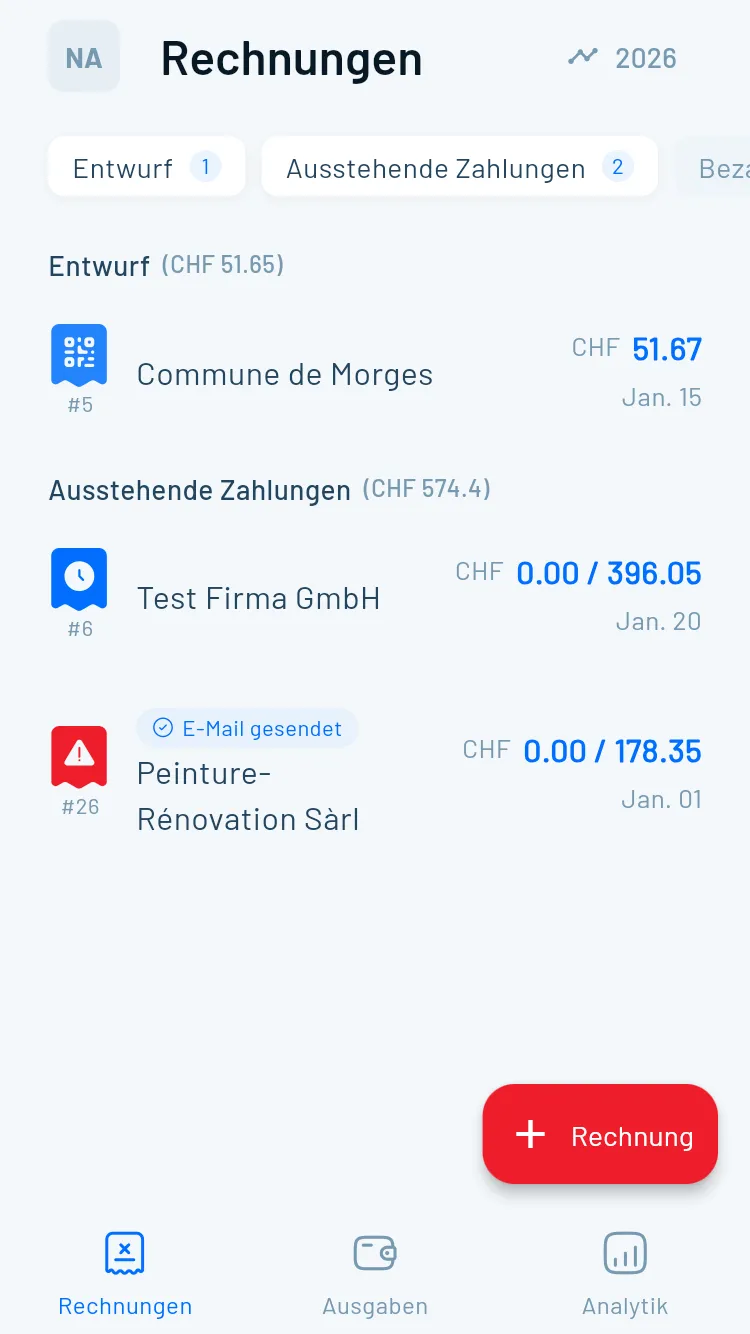
Genau dafür passt Magic Heidi: nicht als juristische Wunderwaffe, sondern als sauberer Ausgangspunkt, um Fälligkeiten, offene Rechnungen und den nächsten Schritt an einem Ort im Blick zu behalten.
Häufige Fragen zu Mahnwesen in der Schweiz
Ist Mahnwesen dasselbe wie Mahnung schreiben?
Nein. Die Mahnung ist nur ein Teil davon. Mahnwesen umfasst den gesamten Ablauf von der fälligen Rechnung über Zahlungserinnerungen und Mahnstufen bis zum nächsten Eskalationsschritt.
Muss ich in der Schweiz immer drei Mahnungen schicken?
Nein. Eine starre gesetzliche Pflicht zu genau drei Mahnstufen gibt es nicht. Mehrere Stufen sind in der Praxis verbreitet, aber vor allem aus organisatorischen Gründen sinnvoll.
Was ist der Unterschied zwischen Zahlungserinnerung und Mahnung?
In der Praxis liegt der Unterschied oft vor allem im Ton und in der Eskalationsnähe. Die erste Erinnerung ist meist freundlicher, spätere Mahnungen werden direkter und setzen eine klarere Konsequenz.
Wann beginnt der Verzug?
Das hängt von der Fälligkeit und der konkreten Gestaltung ab. Wurde ein bestimmter Verfalltag vereinbart, kann der Verzug mit dessen Ablauf eintreten. Andernfalls spielt die Mahnung typischerweise eine wichtige Rolle.
Darf ich Mahnspesen verlangen?
Mahnspesen sind deutlich sensibler als der gesetzliche Verzugszins. Sie sind rechtlich am sichersten, wenn sie vertraglich oder in den AGB klar vorgesehen sind.
Wann sollte ich statt weiterer Mahnungen die Betreibung prüfen?
Wenn klare Fristen gesetzt wurden, keine Zahlung erfolgt, der Betrag relevant ist und Sie den nächsten Schritt auch wirklich gehen wollen. Nicht jede kleine Forderung lohnt denselben Aufwand.
Ist Mahnwesen auch für Freelancer wichtig?
Ja, sobald offene Rechnungen nicht mehr nur einzelne Ausnahmen sind. Schon kleine Beträge können die Liquidität belasten, wenn mehrere gleichzeitig offen bleiben.
Offene Rechnungen nicht nur sehen, sondern sauber steuern
Mit Magic Heidi behalten Sie Rechnungen, Fälligkeiten und offene Beträge an einem Ort im Blick und schaffen die Grundlage für ein ruhiges, nachvollziehbares Mahnwesen.
Weiterführend:
- Zahlungserinnerung Schweiz →
- Mahnung Vorlage Schweiz →
- Debitorenbuchhaltung Schweiz →
- Offene Posten Schweiz →
- Rechnung Schweiz →
Quellen für diese Seite:
- KMU-Portal DE – Was tun bei Zahlungsverzug und Zahlungsausfällen?
- ch.ch FR – Poursuite: commandement de payer, opposition, saisie
- Fedlex – OR Art. 102 und 104
- AXA FR – Rappel de paiement, sommation, poursuite
- AXA IT – Sollecito di pagamento e diffida
- AXA EN – Payment reminder, demand for payment, debt enforcement
- bexio DE – Mahnungen schreiben
- Abacus – Mahnwesen
Geprüft im April 2026. Diese Seite bietet allgemeine Informationen und ersetzt keine individuelle Rechts-, Treuhand- oder Steuerberatung.