Feiertage Schweiz 2026: Ihr kompletter Kalender für alle 26 Kantone
Die Ferienplanung für 2026 steht an – doch welche Feiertage gelten eigentlich in Ihrem Kanton? Entdecken Sie alle gesetzlichen Feiertage, clevere Brückentage und wichtige arbeitsrechtliche Details für optimale Urlaubsplanung.
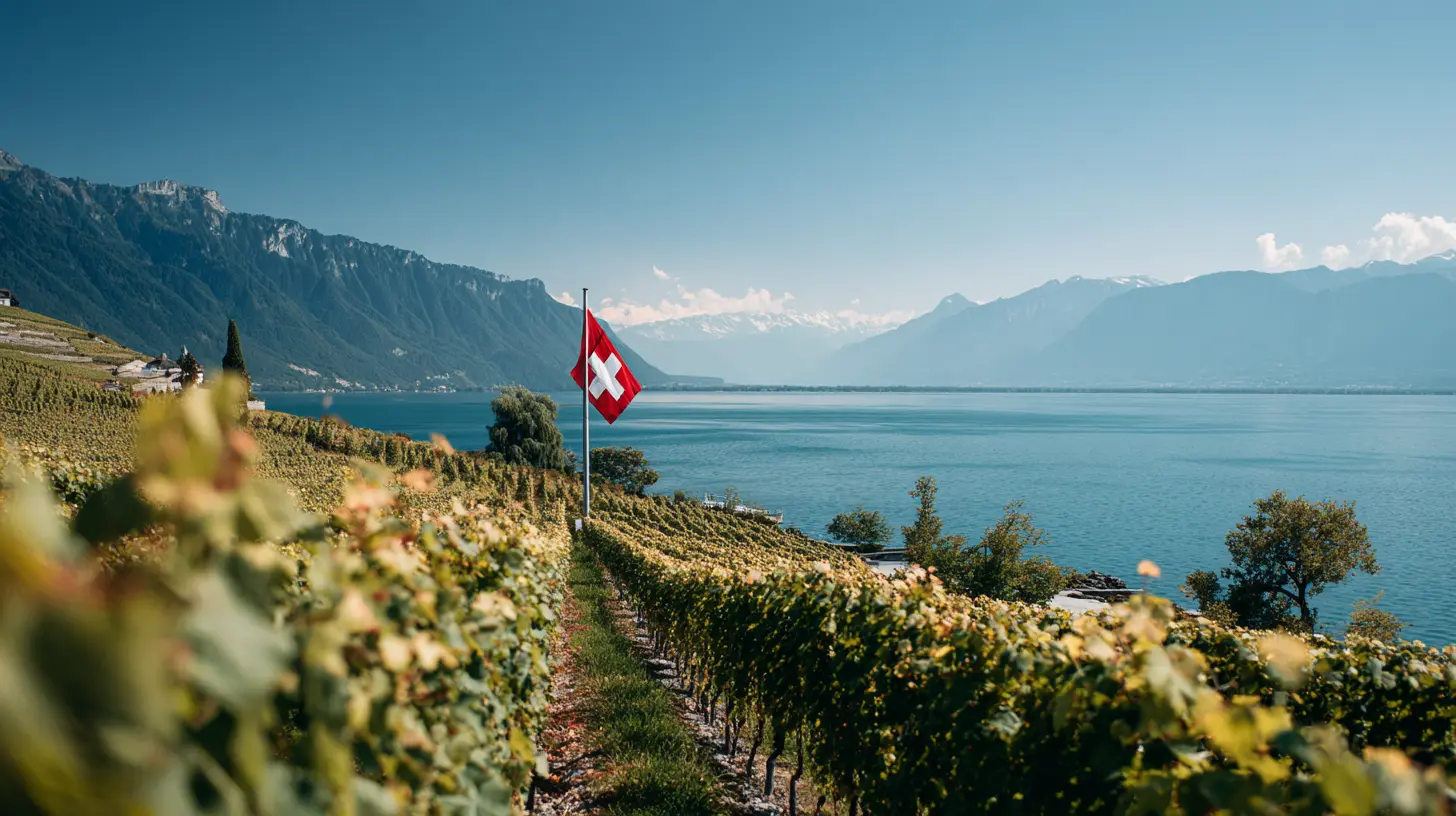
Die Schweiz unterscheidet sich fundamental von anderen europäischen Ländern: Es gibt nur einen einzigen landesweiten Feiertag – den Bundesfeiertag am 1. August. Alle weiteren freien Tage werden kantonal festgelegt, wodurch zwischen 8 und 15 Feiertage pro Kanton möglich sind.
Die gute Nachricht: Mit cleverer Planung lassen sich aus durchschnittlich 25 Ferientagen bis zu 55 freie Tage im Jahr herausholen.
Für die Detailplanung lohnen sich kantonale Kalender wie Zürich, Neuenburg, Tessin, Waadt und Freiburg.
Besonderheit 2026: Der Bundesfeiertag fällt auf einen Samstag – damit geht ein potenzieller freier Tag verloren. Auch Allerheiligen liegt auf einem Sonntag. Umso wichtiger, die verfügbaren Brückentage optimal zu nutzen.
Landesweite Feiertage 2026
Diese Feiertage werden in nahezu allen 26 Kantonen anerkannt:
| Datum | Wochentag | Feiertag | Kantone |
|---|---|---|---|
| 1. Januar 2026 | Donnerstag | Neujahrstag | Alle 26 Kantone |
| 3. April 2026 | Freitag | Karfreitag | Alle ausser TI (25 Kantone) |
| 6. April 2026 | Montag | Ostermontag | Alle ausser VS (25 Kantone) |
| 14. Mai 2026 | Donnerstag | Auffahrt | Alle 26 Kantone |
| 25. Mai 2026 | Montag | Pfingstmontag | Alle ausser VS (25 Kantone) |
| 1. August 2026 | Samstag | Bundesfeiertag | Alle 26 Kantone |
| 25. Dezember 2026 | Freitag | Weihnachten | Alle 26 Kantone |
Wichtig zu wissen: Nur diese vier Tage gelten wirklich in der gesamten Schweiz: Neujahr, Auffahrt, 1. August und Weihnachten. Alle anderen haben mindestens eine kantonale Ausnahme.
Warum fällt Karfreitag im Tessin aus?
Das Tessin als katholisch geprägter Kanton feiert traditionell keine reformierten Feiertage wie Karfreitag. Dafür hat der Kanton mit 15 arbeitsfreien Tagen insgesamt die meisten gesetzlich anerkannten Ruhetage der Schweiz – durch katholische Feiertage wie Fronleichnam, Mariä Himmelfahrt und Allerheiligen.
Kantonale Unterschiede: Bis zu 7 Tage Differenz
Jeder Kanton kann neben dem Bundesfeiertag maximal acht weitere Tage als Sonntagen gleichgestellt festlegen. Die Unterschiede sind erheblich:
Graubünden & Tessin
15 Feiertage – Schweizer Spitzenreiter mit katholischer TraditionZentralschweiz
13-14 Feiertage in Luzern, Schwyz, Uri & ZugReformierte Kantone
8-9 Feiertage in AR, GE & VD – weniger kirchliche FeiertageVollständige Übersicht: Zusätzliche kantonale Feiertage 2026
Finden Sie alle Feiertage für Ihren Kanton im Detail:
| Kanton | Zusatzfeiertage | Besonderheiten |
|---|---|---|
| AG | Berchtoldstag (2.1.), Karfreitag, Ostermontag, Pfingstmontag, Stephanstag (26.12.) | Reformiert geprägt |
| AI | Berchtoldstag, Karfreitag, Ostermontag, Pfingstmontag, Fronleichnam, Mariä Himmelfahrt, Allerheiligen, Mariä Empfängnis | Katholisch |
| AR | Karfreitag, Ostermontag, Pfingstmontag, Stephanstag | Wenige Feiertage |
| BE | Berchtoldstag, Karfreitag, Ostermontag, Pfingstmontag, Stephanstag | Reformiert |
| BL | Karfreitag, Ostermontag, Tag der Arbeit (1.5.), Pfingstmontag, Stephanstag | Inkl. Tag der Arbeit |
| BS | Karfreitag, Ostermontag, Tag der Arbeit, Pfingstmontag, Stephanstag | Inkl. Tag der Arbeit |
| FR | Berchtoldstag, Karfreitag, Ostermontag, Tag der Arbeit, Pfingstmontag, Fronleichnam, Mariä Himmelfahrt, Allerheiligen, Mariä Empfängnis, Stephanstag | Bilingual, viele Feiertage |
| GE | Karfreitag, Ostermontag, Pfingstmontag, Genfer Bettag (10.9.), Stephanstag | Eigener Bettag |
| GL | Berchtoldstag, Karfreitag, Ostermontag, Pfingstmontag, Fronleichnam, Allerheiligen, Stephanstag | Gemischt |
| GR | Berchtoldstag, Karfreitag, Ostermontag, Pfingstmontag, Fronleichnam, Mariä Himmelfahrt, Allerheiligen, Mariä Empfängnis, Stephanstag | Meiste Feiertage |
| JU | Berchtoldstag, Karfreitag, Ostermontag, Tag der Arbeit, Pfingstmontag, Fronleichnam, Fest der Unabhängigkeit (23.6.), Mariä Himmelfahrt, Allerheiligen, Stephanstag | Eigener Unabhängigkeitstag |
| LU | Berchtoldstag, Karfreitag, Ostermontag, Pfingstmontag, Fronleichnam, Mariä Himmelfahrt, Allerheiligen, Mariä Empfängnis, Stephanstag | Viele Feiertage |
| NE | Karfreitag, Ostermontag, Pfingstmontag, Stephanstag | Reformiert, wenige |
| NW | Berchtoldstag, Karfreitag, Ostermontag, Pfingstmontag, Fronleichnam, Mariä Himmelfahrt, Allerheiligen, Mariä Empfängnis, Stephanstag | Katholisch |
| OW | Berchtoldstag, Karfreitag, Ostermontag, Pfingstmontag, Fronleichnam, Mariä Himmelfahrt, Allerheiligen, Mariä Empfängnis, Bruder Klaus (25.9.), Stephanstag | Inkl. Bruder Klaus |
| SG | Berchtoldstag, Karfreitag, Ostermontag, Pfingstmontag, Allerheiligen, Stephanstag | Gemischt |
| SH | Berchtoldstag, Karfreitag, Ostermontag, Tag der Arbeit, Pfingstmontag, Stephanstag | Inkl. Tag der Arbeit |
| SO | Berchtoldstag, Karfreitag, Ostermontag, Tag der Arbeit, Pfingstmontag, Fronleichnam, Allerheiligen, Stephanstag | Gemischt |
| SZ | Berchtoldstag, Karfreitag, Ostermontag, Pfingstmontag, Fronleichnam, Mariä Himmelfahrt, Allerheiligen, Mariä Empfängnis, Stephanstag | Katholisch, viele |
| TG | Berchtoldstag, Karfreitag, Ostermontag, Pfingstmontag, Stephanstag | Reformiert |
| TI | Dreikönigstag (6.1.), Ostermontag, Tag der Arbeit, Pfingstmontag, Fronleichnam, Peter und Paul (29.6.), Mariä Himmelfahrt, Allerheiligen, Mariä Empfängnis, Stephanstag | Meiste Feiertage, kein Karfreitag |
| UR | Berchtoldstag, Karfreitag, Ostermontag, Pfingstmontag, Fronleichnam, Mariä Himmelfahrt, Allerheiligen, Mariä Empfängnis, Stephanstag | Katholisch |
| VD | Berchtoldstag, Karfreitag, Ostermontag, Pfingstmontag, Bettagsmontag (21.9.), Stephanstag | Eigener Bettag |
| VS | Berchtoldstag, Josefstag (19.3.), Fronleichnam, Mariä Himmelfahrt, Allerheiligen, Mariä Empfängnis, Stephanstag | Kein Karfreitag, kein Ostermontag, kein Pfingstmontag |
| ZG | Berchtoldstag, Karfreitag, Ostermontag, Pfingstmontag, Fronleichnam, Mariä Himmelfahrt, Allerheiligen, Mariä Empfängnis, Stephanstag | Katholisch, viele |
| ZH | Berchtoldstag, Karfreitag, Ostermontag, Tag der Arbeit, Pfingstmontag, Stephanstag | Inkl. Tag der Arbeit |
Legende: AI = Appenzell Innerrhoden, AR = Appenzell Ausserrhoden, AG = Aargau, usw.
Brückentage 2026: So holen Sie das Maximum heraus
Mit strategisch platzierten Urlaubstagen lassen sich aus den 25 gesetzlichen Ferientagen bis zu 55 freie Tage generieren. Hier die besten Gelegenheiten für 2026:
- 🎄Jahreswechsel-Marathon
4 Urlaubstage = 11 Tage frei (25.12.2025 – 4.1.2026)
- 🐰Osterferien verlängern
4 Urlaubstage = 10 Tage frei (3. – 12. April 2026)
- ⛰️Auffahrt optimal nutzen
1 Urlaubstag = 4 Tage frei oder 4 Tage = 9 Tage frei
- 🎁Weihnachten maximieren
8 Urlaubstage = 16 Tage frei (19.12.2026 – 3.1.2027)
- Rechnung #3
Magic Heidi
CHF 500
Jan 29
- Rechnung #2
Webbiger LTD
CHF 2000
Jan 24
- Rechnung #1
John Doe
CHF 600
Jan 20
Top 4 Brückentag-Strategien für 2026
1. Neujahr & Weihnachten verbinden (Jahreswechsel)
- Zeitraum: 25. Dezember 2025 – 4. Januar 2026
- Urlaubstage benötigt: 4 Tage (29.-31.12.2025 + 2.1.2026)
- Ergebnis: 11 Tage am Stück frei
- Ideal für: Längere Fernreisen oder ausgiebige Familienbesuche
2. Osterferien verlängern
- Zeitraum: 3. – 12. April 2026
- Urlaubstage benötigt: 4 Tage (7.-8. April + eventuell vorher)
- Ergebnis: 10 Tage frei (mit Karfreitag & Ostermontag)
- Ideal für: Frühlingsurlaub in wärmeren Gefilden
3. Auffahrt optimal nutzen
- Zeitraum: 14. – 17. Mai 2026 (langes Wochenende)
- Alternative: 9. – 17. Mai (mit Mo-Mi Urlaub davor)
- Urlaubstage benötigt: 1 Tag (Freitag) oder 4 Tage (ganze Woche)
- Ergebnis: 4 oder 9 Tage frei
- Ideal für: Kurztrip oder Frühsommerwoche
4. Weihnachten 2026 maximieren
- Zeitraum: 19. Dezember 2026 – 3. Januar 2027
- Urlaubstage benötigt: 8 Tage (21.-24.12. + 28.-31.12.)
- Ergebnis: 16 Tage am Stück frei
- Ideal für: Die ultimative Jahresend-Auszeit
Spezielle Brückentage in einzelnen Kantonen
Katholische Kantone (GR, TI, LU, SZ, UR, ZG):
- Fronleichnam: Donnerstag, 4. Juni 2026 → Freitag freinehmen = 4-Tage-Wochenende
- Mariä Himmelfahrt: Samstag, 15. August 2026 → Fällt auf Wochenende, kein Brückenpotenzial
- Allerheiligen: Sonntag, 1. November 2026 → Fällt auf Sonntag, geht verloren
Kantone mit Tag der Arbeit (BL, BS, JU, SH, SO, TI, ZH):
- 1. Mai 2026: Freitag → Perfektes langes Wochenende ohne Urlaubstag!
Brückentage-Rechner: Ihre individuelle Bilanz
Bei durchschnittlich 10 Feiertagen und 25 Ferientagen:
- Ohne Planung: 35 freie Tage pro Jahr (Feiertage + Ferien + Wochenenden = ca. 115 Tage)
- Mit optimaler Brückenplanung: 45-55 freie Tage am Stück möglich
- Benötigt: Vorausschauende Jahresplanung und flexible Arbeitgeber
Tipp: In Graubünden, Luzern, Schwyz, Tessin, Uri und Zug gibt es dank mehr Feiertagen automatisch mehr Brückentag-Optionen.
Arbeitsrechtliche Grundlagen: Das sollten Sie wissen
Das Schweizer Feiertagsrecht unterscheidet sich fundamental von anderen europäischen Ländern.
Bezahlung von Feiertagen in der Schweiz
Die 1. August-Regel
Der Bundesfeiertag am 1. August ist der einzige Feiertag, für den Arbeitnehmende von Gesetzes wegen vollumfänglich entschädigt werden müssen – unabhängig von Kanton, Vertrag oder Lohnmodell.
Alle anderen Feiertage
- Monatslohn: Arbeitnehmende im Monatslohn erhalten grundsätzlich auch für kantonale Feiertage den vollen Lohn, es sei denn, dies wurde vertraglich anders vereinbart
- Stundenlohn: Keine automatische Lohnfortzahlung; muss vertraglich geregelt sein
- Arbeitsort bestimmt: Es gelten die Feiertage des Arbeitsortes, nicht des Wohnkantons
Besondere Situationen
Teilzeitarbeit & Feiertage
Eine Teilzeitangestellte, die beispielsweise immer freitags frei hat, profitiert nicht vom Karfreitag – dieser kann nicht nachträglich an einem anderen Tag eingezogen werden. Es besteht kein Anspruch auf Kompensation.
Feiertag fällt auf Sonntag
Fällt ein Feiertag auf einen Sonntag (wie Allerheiligen 2026), kann dieser nicht nachgeholt werden. Es besteht kein Anspruch auf zeitliche oder monetäre Kompensation. Dies betrifft 2026 besonders:
- 1. August: Fällt auf Samstag (verloren für 5-Tage-Woche)
- Allerheiligen: Fällt auf Sonntag (verloren)
Religiöse Feiertage (nicht gesetzlich)
Arbeitnehmende haben das Recht, an nicht gesetzlich anerkannten religiösen Feiertagen (z.B. jüdische oder muslimische Feiertage) die Arbeit auszusetzen. Dies muss dem Arbeitgeber jedoch spätestens drei Tage im Voraus angezeigt werden. Der Tag wird in der Regel als Ferientag oder unbezahlter Urlaub abgezogen.
Arbeiten an Feiertagen
Grundsätzlich ist Sonntagsarbeit und damit auch Arbeit an Feiertagen nur in bestimmten Branchen erlaubt (Gesundheitswesen, Gastgewerbe, Verkehr, etc.). Arbeitnehmende, die an Feiertagen arbeiten, haben Anspruch auf:
- Lohnzuschlag von mindestens 50%
- Alternativ: Freizeitausgleich innerhalb von 14 Tagen
Ihr gesetzlicher Ferienanspruch
Unabhängig von Feiertagen haben alle Arbeitnehmenden in der Schweiz Anspruch auf:
- Mindestens 4 Wochen Ferien pro Jahr (20 Arbeitstage)
- 5 Wochen Ferien bis zum vollendeten 20. Lebensjahr
- 5 Wochen in manchen Branchen (GAV-Regelungen)
Wichtig: Feiertage zählen nicht als Ferientage und reduzieren Ihren Ferienanspruch nicht.
Das Schweizer Feiertagssystem verstehen
Die Schweiz ist ein föderalistisch organisierter Bundesstaat. Die Souveränität der Kantone ist historisch tief verankert – auch bei Feiertagen.
Warum nur ein Bundesfeiertag?
Artikel 20a des Arbeitsgesetzes (ArG) regelt: Die zuständige kantonale Behörde bestimmt die Tage, die den Sonntagen gleichgestellt sind. Jeder Kanton kann maximal 8 zusätzliche Tage zum Bundesfeiertag definieren.
- Föderalistischer Staatsaufbau seit der Gründung 1848
- Kantonale Souveränität bei kulturellen Traditionen
- Historische Unterschiede seit der Reformation
- Respekt vor regionalen Besonderheiten
Katholisch vs. Reformiert
Die Unterschiede zwischen katholischen und reformierten Gebieten prägen die Schweiz seit der Reformation im 16. Jahrhundert.
- Fronleichnam & Marienfeste in katholischen Kantonen
- Berchtoldstag in reformierten Regionen
- Tessin: Kein Karfreitag, dafür 15 Feiertage
- Konfessionelle Vielfalt als kulturelles Erbe
Wohnkanton vs. Arbeitskanton
Es gilt der Arbeitsort, nicht der Wohnort. Bei gemischtem Homeoffice/Büro-Modell empfiehlt sich eine vertragliche Klärung.
- Arbeitsort bestimmt Ihre Feiertage
- Grenzgänger: Schweizer Kantonfeiertage gelten
- Homeoffice: Rechtliche Grauzone
- Vertragliche Regelung empfohlen
Katholisch vs. Reformiert: Die Feiertagskluft im Detail
| Feiertagstyp | Katholische Kantone | Reformierte Kantone |
|---|---|---|
| Fronleichnam | ✓ (4. Juni) | ✗ |
| Mariä Himmelfahrt | ✓ (15. August) | ✗ |
| Allerheiligen | ✓ (1. November) | Teilweise |
| Mariä Empfängnis | ✓ (8. Dezember) | ✗ |
| Josefstag | Teilweise | ✗ |
| Berchtoldstag | ✗ | ✓ (2. Januar) |
| Karfreitag | Teilweise (TI: Nein) | ✓ |
Beispiel Tessin: Als einziger Kanton feiert das Tessin keinen Karfreitag (reformierter Feiertag), hat aber mit 15 Tagen trotzdem die meisten Feiertage durch katholische Feste wie Dreikönigstag, Peter und Paul, und mehrere Marienfeste.
Was macht 2026 speziell?
Einige Feiertage fallen 2026 ungünstig – andere bieten besondere Chancen.
Der verlorene Bundesfeiertag
Der 1. August 2026 fällt auf einen Samstag. Für die 5-Tage-Woche: kein zusätzlicher freier Arbeitstag.
Allerheiligen am Sonntag
In katholischen Kantonen fällt Allerheiligen (1. November) auf einen Sonntag – kein Kompensationsanspruch.
Tag der Arbeit als Freitag
Kantone mit 1. Mai profitieren von einem perfekten langen Wochenende ohne Urlaubstag!
Fronleichnam-Brücke
Zentralschweizer Kantone haben durch Fronleichnam am Donnerstag gutes Brückenpotenzial.
Regionale Besonderheiten
Jura: Fest der Unabhängigkeit (23. Juni)
Der Kanton Jura feiert seinen Gründungstag als eigenen Feiertag – eine Schweizer Besonderheit.
Obwalden: Bruder Klaus (25. September)
Dem Schweizer Nationalheiligen Niklaus von Flüe ist im Kanton Obwalden ein eigener Feiertag gewidmet.
Genf & Waadt: Bettage
Diese Kantone haben eigene Bettage mit unterschiedlichen Daten, die als Feiertage gelten.
Städtische Zusatzfeiertage
Einzelne Gemeinden und Städte können zusätzliche lokale Feiertage haben (z.B. Luzern Stadt mit 16 Feiertagen inkl. lokaler Festtage).
Praktische Tipps für Ihre Planung
1. Früh planen:
Beliebte Brückentage (Auffahrt-Freitag, nach Weihnachten) sind schnell "ausgebucht" im Team. Beantragen Sie Urlaub bereits im Herbst 2025.
2. Kantone vergleichen:
Bei Jobsuche kann die Anzahl der Feiertage ein Kriterium sein – 7 Tage Unterschied zwischen Kantonen können relevant sein.
3. Arbeitsvertrag prüfen:
Klären Sie vertraglich, ob und wie kantonale Feiertage bezahlt werden, besonders bei Stundenlohn oder grenzüberschreitender Arbeit.
4. Schulferien beachten:
Kombinieren Sie Ihre Brückentage mit Schulferien, wenn Sie Kinder haben. Die Schulferienkalender variieren ebenfalls kantonal.
5. Internationale Koordination:
Arbeiten Sie in internationalen Teams? Beachten Sie, dass Ihre Schweizer Feiertage nicht mit deutschen oder österreichischen Feiertagen übereinstimmen.
Häufig gestellte Fragen (FAQ)
Wie viele Feiertage gibt es in der Schweiz 2026?
In der Schweiz gibt es nur einen bundesweiten Feiertag (1. August). Dazu kommen je nach Kanton zwischen 7 und 14 weitere kantonale Feiertage, was zu insgesamt 8 bis 15 freien Tagen führt. Der Durchschnitt liegt bei etwa 10 Feiertagen pro Kanton. Graubünden und Tessin haben mit je 15 Tagen die meisten, Appenzell Ausserrhoden mit 8 Tagen die wenigsten Feiertage.
Werden alle Feiertage in der Schweiz bezahlt?
Nein. Nur der 1. August ist gesetzlich geschützt und muss bezahlt werden. Bei allen anderen Feiertagen hängt die Bezahlung von Ihrem Arbeitsvertrag und Ihrer Lohnform ab: Monatslohn wird normalerweise bezahlt (sofern nicht anders vereinbart), Stundenlohn hat keine automatische Lohnfortzahlung. Wichtig: Es gelten die Feiertage Ihres Arbeitsortes, nicht Ihres Wohnkantons.
Was sind Brückentage und wie nutze ich sie optimal?
Brückentage sind Arbeitstage zwischen einem Feiertag und dem Wochenende. In 2026 gibt es besonders attraktive Möglichkeiten: Auffahrt (14. Mai, Donnerstag) mit Freitag freinehmen = 4-Tage-Wochenende, Ostern mit 4 Urlaubstagen für 10 Tage am Stück, Jahreswechsel mit 4 Urlaubstagen für 11 Tage frei. Mit strategischer Planung lassen sich aus 25 Ferientagen bis zu 55 freie Tage generieren.
Was passiert, wenn ein Feiertag auf einen Sonntag fällt?
Ein Feiertag, der auf einen Sonntag fällt, kann nicht nachgeholt werden. Es besteht weder ein Anspruch auf einen Ersatztag noch auf finanzielle Kompensation. 2026 betrifft dies Allerheiligen (1. November), der in katholischen Kantonen normalerweise arbeitsfrei wäre.
Warum hat jeder Kanton unterschiedliche Feiertage?
Die Schweiz ist ein föderalistischer Bundesstaat, in dem Kantone weitgehende Autonomie geniessen. Artikel 20a des Arbeitsgesetzes gibt jedem Kanton das Recht, maximal 8 Tage zusätzlich zum Bundesfeiertag als 'den Sonntagen gleichgestellt' zu definieren. Die historischen Unterschiede zwischen katholischen und reformierten Regionen prägen diese Auswahl bis heute.
Gilt mein Wohnkanton oder mein Arbeitskanton für Feiertage?
Für Feiertage gilt grundsätzlich Ihr Arbeitskanton, also der Ort, an dem Sie tatsächlich arbeiten. Wenn Sie in Zürich wohnen, aber in Zug arbeiten, profitieren Sie von den Zuger Feiertagen (sofern vertraglich nicht anders geregelt). Bei Homeoffice sollte dies explizit im Arbeitsvertrag geklärt werden.
Kann ich an religiösen Feiertagen meiner Religion frei nehmen?
Ja. Arbeitnehmende haben das Recht, an nicht gesetzlich anerkannten religiösen Feiertagen die Arbeit auszusetzen (z.B. jüdische oder muslimische Feiertage). Sie müssen dies jedoch dem Arbeitgeber mindestens drei Tage im Voraus mitteilen. Der Tag wird normalerweise als Ferientag oder unbezahlter Urlaub verrechnet.
Reduzieren Feiertage meinen Ferienanspruch?
Nein. Feiertage sind unabhängig von Ihrem Ferienanspruch. In der Schweiz haben Sie mindestens 4 Wochen (bzw. 5 Wochen bis 20 Jahre) gesetzlichen Ferienanspruch. Feiertage kommen zusätzlich dazu und werden nicht von Ihren Ferientagen abgezogen.
Was gilt bei Teilzeitarbeit und Feiertagen?
Teilzeitarbeitende profitieren nur von Feiertagen, die auf ihre regulären Arbeitstage fallen. Beispiel: Arbeiten Sie nur Montag bis Donnerstag, profitieren Sie nicht vom Karfreitag. Ein Kompensationsanspruch besteht nicht – weder zeitlich noch finanziell. Dies sollte idealerweise im Arbeitsvertrag berücksichtigt werden.
Welche Kantone haben 2026 die meisten Brückentage?
Graubünden, Luzern, Schwyz, Tessin, Uri und Zug haben mit 13-15 Feiertagen die besten Voraussetzungen für Brückentage. Besonders vorteilhaft sind katholische Feiertage wie Fronleichnam (4. Juni, Donnerstag) – mit Freitag frei = 4 Tage. Kantone mit dem Tag der Arbeit (1. Mai) profitieren 2026 besonders, da dieser auf einen Freitag fällt.
Ferienplanung 2026: Jetzt aktiv werden
Mit diesem umfassenden Überblick über die Schweizer Feiertage 2026 können Sie Ihre Jahresplanung strategisch angehen. Nutzen Sie die Brückentage clever, beachten Sie die kantonalen Besonderheiten, und sichern Sie sich frühzeitig die attraktivsten Urlaubswochen.
Ihre nächsten Schritte
- Kalender prüfen: Markieren Sie alle Feiertage Ihres Kantons
- Brückentage identifizieren: Welche Kombinationen passen zu Ihren Plänen?
- Früh beantragen: Beliebte Zeiten wie Auffahrt-Verlängerung oder Jahresende sind schnell "ausgebucht"
- Arbeitsvertrag checken: Klären Sie Unklarheiten zur Feiertagsbezahlung mit Ihrer Personalabteilung
- Team koordinieren: Stimmen Sie sich mit Kollegen ab, besonders bei kleinen Teams
Wichtiger Hinweis: Alle Angaben wurden sorgfältig recherchiert, können jedoch keine Rechtsberatung ersetzen. Bei Unklarheiten zu Ihren spezifischen Rechten und Pflichten konsultieren Sie bitte Ihre Personalabteilung oder eine Rechtsberatung.
Über Magic Heidi: Als Bexio-Alternative für Freelancer verstehen wir die Besonderheiten des Schweizer Systems. Von kantonalen Feiertagen bis zu Steuerfristen – QR-Rechnungen und Buchhaltung in einer App.
Letzte Aktualisierung: Dezember 2024 | Quellen: Bundesamt für Justiz (BJ), SECO (Staatssekretariat für Wirtschaft), kantonale Amtsstellen