 Magic Heidi
 Buchungsjournal Schweiz: was es ist und wann Sie es wirklich brauchen
Wer nach Buchungsjournal sucht, will selten bloss eine Definition. Die eigentliche Frage lautet: Wie halte ich meine Geschäftsvorfälle in der Schweiz so fest, dass ich Einnahmen, Ausgaben und Belege später sauber nachvollziehen kann, ohne meine Buchhaltung unnötig zu verkomplizieren?
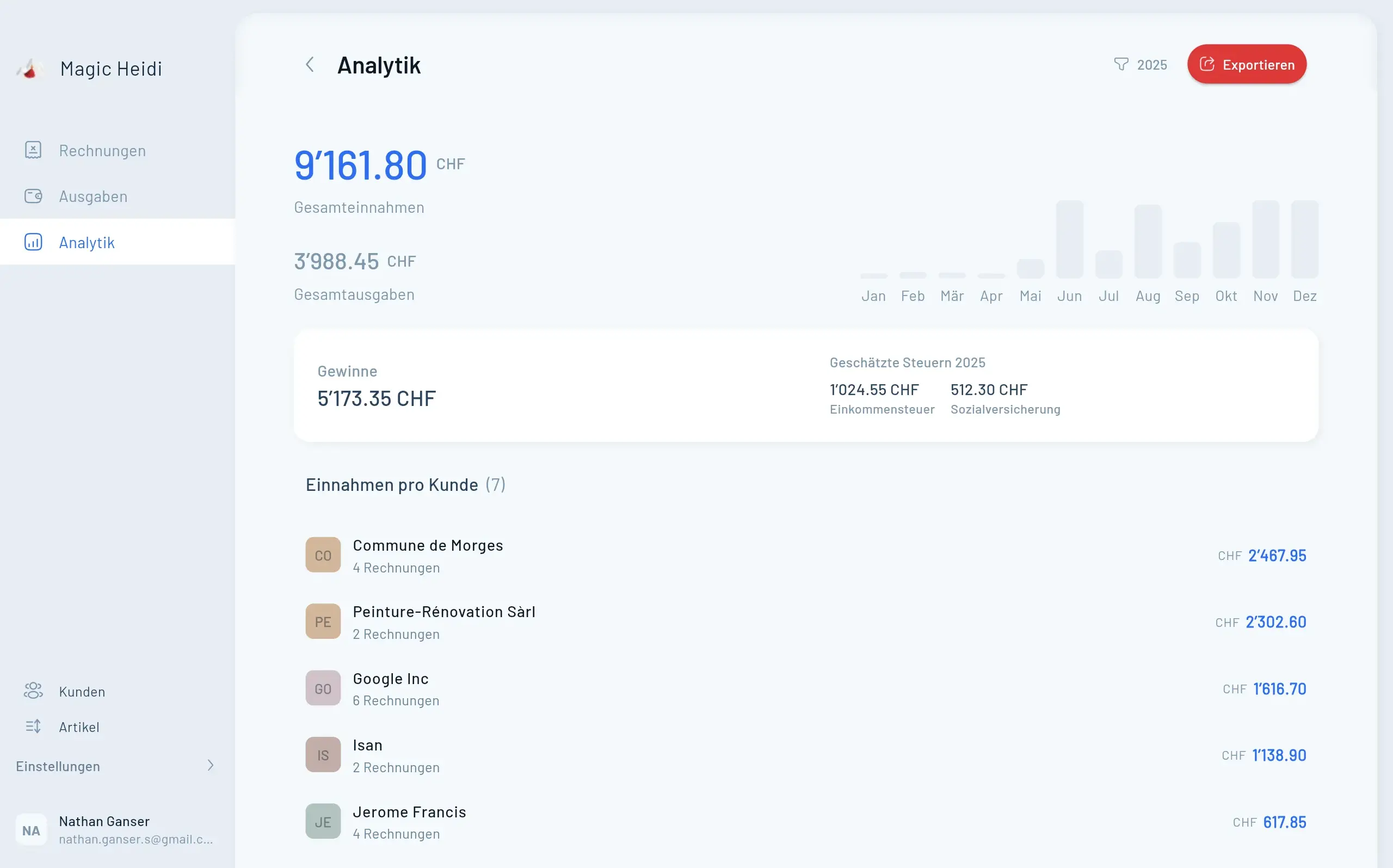
Kurzantwort: Ein Buchungsjournal ist das chronologische Grundprotokoll Ihrer Buchhaltung. Darin halten Sie fest, wann ein Geschäftsvorfall passiert ist, was gebucht wurde, welche Konten betroffen sind, welcher Betrag dazugehört und auf welchen Beleg sich die Buchung stützt. Für sehr kleine Schweizer Einzelfirmen unter CHF 500'000 Umsatz ist nicht immer ein klassisches Journal wie bei einer doppelten Buchhaltung nötig. Sobald Sie aber regelmässig Rechnungen schreiben, Zahlungen zuordnen, Belege digital ablegen oder mit einem Treuhänder sauber zusammenarbeiten wollen, wird eine klare Journal-Logik schnell sehr wertvoll.
Entscheidend ist nicht, ob Sie ein grosses ERP brauchen. Entscheidend ist, ob Sie jederzeit beantworten können:
- Welche Buchung gehört zu welchem Beleg?
- Wurde eine Rechnung gestellt oder nur bezahlt?
- Welche Änderung wurde wann korrigiert?
- Könnte ein Dritter Ihren Ablauf noch nachvollziehen?
Wenn Sie vor allem klären wollen, welche Dokumente überhaupt als Buchungsbeleg zählen und wann ein Ersatzbeleg genügt, lesen Sie auch Buchungsbeleg Schweiz.
Was diese Seite für Sie klärt
Online wird das Buchungsjournal oft technisch erklärt. Für Selbständige ist aber die praktischere Frage: Brauche ich wirklich ein Journal, und was muss darin konkret stehen?
Was ein Buchungsjournal ist
Das chronologische Grundbuch Ihrer GeschäftsvorfälleWelche Angaben hineingehören
Datum, Text, Soll, Haben, Betrag und BelegbezugWas in der Schweiz wichtig ist
Belegpflicht, Nachvollziehbarkeit und AufbewahrungWie andere Sprachräume das Thema nennen
Buchungsjournal, journal comptable, libro giornale, accounting journalWas ist ein Buchungsjournal?
Das Buchungsjournal listet Geschäftsvorfälle in zeitlicher Reihenfolge auf. Es ist damit die einfachste Antwort auf die Frage: Was ist in meiner Buchhaltung wann passiert?
Datum
Der Geschäftsvorfall muss zeitlich eindeutig eingeordnet werden können.
Buchungstext
Eine kurze Beschreibung macht verständlich, worum es in der Buchung geht.
Konten
Bei strukturierter Buchhaltung gehören Soll- und Habenkonto zur Journalzeile.
Beleg
Ohne Beleg ist eine Buchung im Schweizer Alltag kaum sauber prüfbar.
Das Spannende: In vier Sprachen bleibt die Logik fast gleich
Bei der Recherche rund um das Thema fällt auf: Die Begriffe wechseln, die Kernaussage bleibt erstaunlich stabil.
- Deutsch: Buchungsjournal, Journalführung, Buchungszeile
- Französisch: journal comptable
- Italienisch: libro giornale
- Englisch: accounting journal
Deutschsprachige Schweizer Beiträge von bexio und uDesk betonen vor allem die chronologische Erfassung, den Belegbezug und die Frage, wie Korrekturen nachvollziehbar bleiben. Französische Erklärungen zum journal comptable heben stärker hervor, dass jede Finanzbewegung laufend dokumentiert und mit Konten und Belegen verknüpft werden soll. Italienische Quellen zum libro giornale beschreiben es als Register aller Transaktionen in zeitlicher Reihenfolge und als Grundlage für weitere Auswertungen wie Hauptbuch, Bilanz und Erfolgsrechnung. Englische Schweizer Beiträge zum accounting journal sagen im Kern dasselbe: Jede Geldbewegung wird fortlaufend erfasst, mit Datum, Soll, Haben, Beleg und Betrag.
Für Selbständige ist das hilfreich: Wenn Sie mit Treuhändern, mehrsprachigen Teams oder Software in mehreren Sprachen arbeiten, begegnen Sie verschiedenen Namen, aber demselben Grundprinzip. Wenn Sie die kontenbezogene Perspektive auf dieselben Buchungen verstehen möchten, lesen Sie dazu auch Hauptbuch Schweiz.
Brauchen Freelancer in der Schweiz überhaupt ein klassisches Buchungsjournal?
Nicht immer in der Form, wie grössere Unternehmen es führen. Genau hier lohnt sich die Schweizer Differenzierung.
Das KMU-Portal des Bundes sagt klar: Einzelunternehmen und Personengesellschaften unter CHF 500'000 Umsatz dürfen eine vereinfachte Buchhaltung führen, die nur Einnahmen, Ausgaben und Vermögenslage umfasst. Das heisst: Nicht jede selbständige Person braucht vom ersten Tag an ein formales Journal mit vollständiger doppelter Buchführung.
Trotzdem wird das Thema schnell praktisch relevant, sobald Sie:
- mehrere Rechnungen pro Monat schreiben
- Belege digital sammeln
- offene Zahlungen später noch erklären müssen
- mit einem Treuhänder Exporte oder Abstimmungen machen
- nicht nur eine Steuerliste, sondern eine nachvollziehbare Buchhaltung wollen
Die entscheidende Praxisfrage ist deshalb nicht: "Journal ja oder nein?" Sondern: "Wie viel Journalstruktur brauche ich, damit mein Alltag sauber bleibt?"
Wenn Sie noch bei der einfachsten Form starten, hilft zuerst der Überblick Buchhaltung Schweiz einfach erklärt. Wenn Sie bereits mit Konten arbeiten, ist auch der Leitfaden Schweizer Kontenrahmen KMU nützlich.
Was reicht eher: einfache Liste oder Journal-Logik?
Nicht jede Selbständigkeit braucht sofort dieselbe Tiefe.
| Situation | Einfache Einnahmen-Ausgaben-Liste | Strukturierte Journal-Logik |
|---|---|---|
| Wenige Belege pro Monat | Oft ausreichend | Noch nicht zwingend |
| Mehrere Rechnungen und Zahlungen parallel | Wird schnell lückenhaft | Klare Vorteile |
| Zusammenarbeit mit Treuhänder | Manuell nacherklärbar | Deutlich sauberer |
| Korrekturen und Umbuchungen | Fehleranfällig | Besser nachvollziehbar |
| Spätere Prüfung oder Rückfrage | Oft mühsam | Viel robuster |
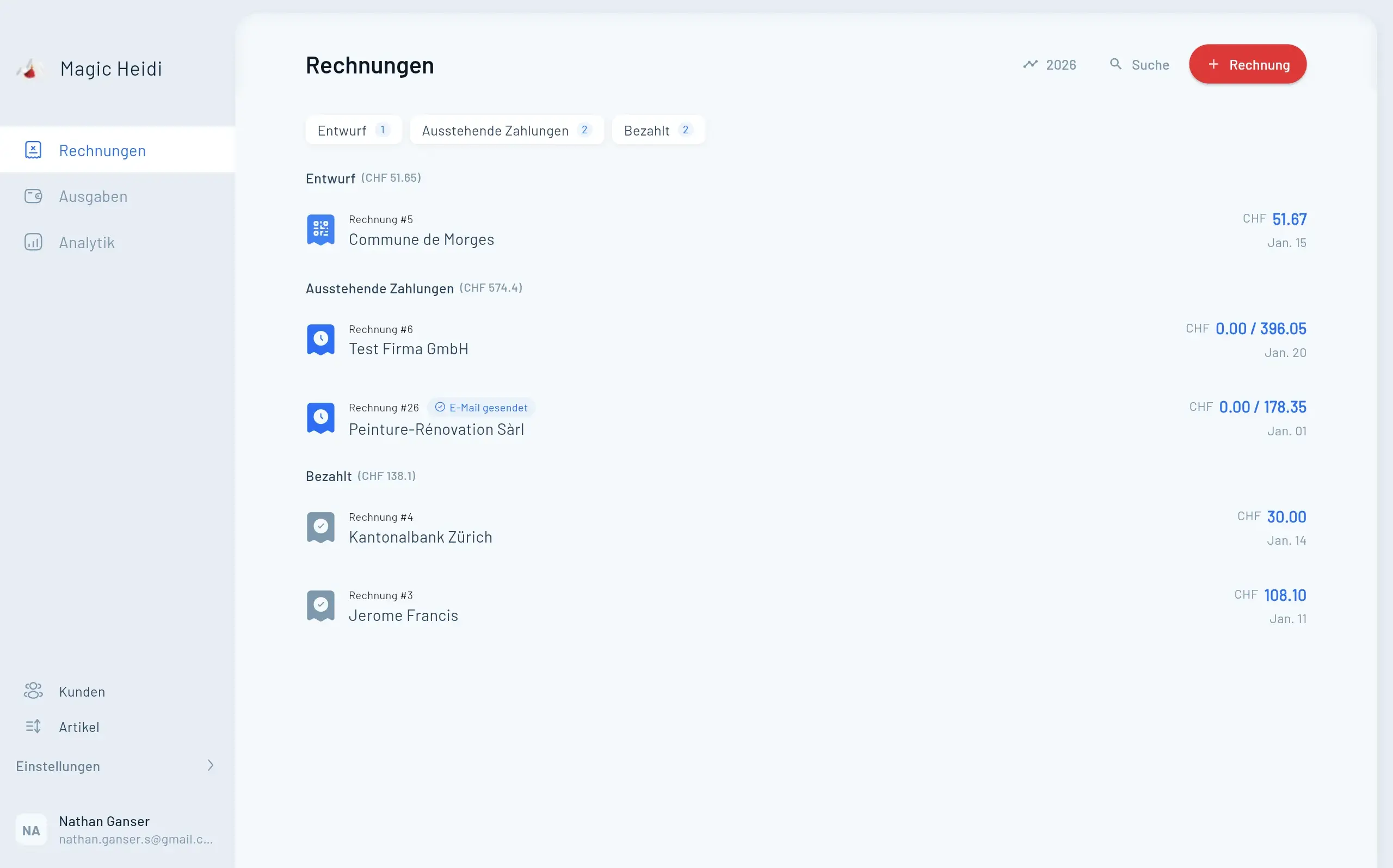
So sieht eine gute Journalzeile im Alltag aus
Das Journal muss nicht kompliziert wirken. Es muss vor allem vollständig und für Dritte verständlich sein.
Welche Angaben im Buchungsjournal stehen sollten
In DE, FR, IT und EN tauchen fast immer dieselben Kernelemente auf.
Datum und Reihenfolge
Der Geschäftsvorfall muss chronologisch erfasst werden, nicht erst rückwirkend aus dem Gedächtnis.
- Buchungsdatum sauber festhalten
- Periode eindeutig erkennbar
- Keine lose Sammlung ohne Reihenfolge
- Zeitliche Logik muss stimmen
Verständlicher Buchungstext
Ein kurzer, klarer Text hilft später enorm bei Rückfragen.
- z. B. Rechnung Kunde X
- oder Software-Abo April
- keine leeren oder kryptischen Kürzel
- Vorgang in einem Satz erfassbar
Betrag und Konten
Bei strukturierter Buchhaltung gehören Soll und Haben dazu, bei vereinfachten Listen mindestens der klare Betrag und die Kategorie.
- Betrag eindeutig
- Konto oder Kategorie sichtbar
- bei Bedarf MWST mitgedacht
- keine unklaren Sammelbuchungen
Belegbezug
Die Buchung muss auf einen nachweisbaren Beleg zurückführbar sein.
- Rechnungsnummer oder Belegnummer
- PDF, Scan oder Quittung verknüpfen
- keine Buchung ohne Grundlage
- später schnell wieder auffindbar
Korrekturen nachvollziehbar halten
Fehler passieren. Entscheidend ist, dass Änderungen nicht spurlos verschwinden.
- Umbuchung statt stilles Löschen
- Korrekturgrund nachvollziehbar
- alte Version nicht einfach verschwunden
- Treuhänder sieht die Logik
Keine Buchung ohne Beleg ist mehr als nur ein Spruch
Mehrere deutschsprachige Schweizer Erklärungen bringen das Thema auf denselben Punkt: Ohne Beleg wird das Journal fragil. Genau das passt auch zur offiziellen Schweizer Logik.
Das KMU-Portal verweist auf Art. 958f OR: Geschäftsbücher und Buchungsbelege sind zehn Jahre aufzubewahren. Die Seite zur elektronischen Aufbewahrung der Geschäftsbücher erklärt zusätzlich, dass Bücher und Belege auf Papier, elektronischen Datenträgern oder in vergleichbarer Form aufbewahrt werden können, solange die Verbindung zum zugrunde liegenden Geschäftsvorfall gesichert bleibt und die Unterlagen jederzeit lesbar gemacht werden können.
Für Ihren Alltag bedeutet das:
- eine Buchung sollte immer auf einen konkreten Beleg zeigen
- der Beleg muss später wieder auffindbar sein
- digitale Ablage ist möglich, wenn Nachvollziehbarkeit und Lesbarkeit gesichert bleiben
- Cloud allein ersetzt nicht automatisch eine saubere Archivlogik
Gerade wenn Sie Rechnungen und Zahlungen laufend abgleichen, schliesst das direkt an Themen wie Rechnung Schweiz und Debitorenbuchhaltung Schweiz an.
Ein einfaches Beispiel für ein Buchungsjournal
Für viele Freelancer wird das Thema erst greifbar, wenn sie eine echte Zeile sehen. Das hier ist kein starres Pflichtformat, sondern ein praxisnahes Muster:
| Datum | Text | Soll | Haben | Betrag | Beleg |
|---|---|---|---|---|---|
| 03.04.2026 | Rechnung Webdesign Kunde Meier | 1100 Debitoren | 3200 Dienstleistungsertrag | CHF 1'200 | RE-2026-014 |
| 05.04.2026 | Zahlung Kunde Meier erhalten | 1020 Bank | 1100 Debitoren | CHF 1'200 | Bank 2026-04-05 |
| 08.04.2026 | Software-Abo April | 6520 Informatikaufwand | 1020 Bank | CHF 39 | VISA-8841 |
| 10.04.2026 | Zugticket Kundentermin Zürich | 6260 Reisespesen | 1020 Bank | CHF 48 | SBB-2026-0410 |
Wichtig daran ist nicht, dass jede Selbständigkeit genau diese Konten nutzt. Wichtig ist, dass jede Zeile logisch, chronologisch und belegbar bleibt.
Wenn Sie noch mit einer einfacheren Einnahmen-Ausgaben-Liste arbeiten, können Sie dieselbe Logik auch ohne vollständige Soll-/Haben-Spalten nutzen:
- Datum
- Beschreibung
- Einnahme oder Ausgabe
- Kategorie
- Belegnummer
Schon diese vereinfachte Struktur ist oft deutlich besser als lose PDFs, verstreute Screenshots und Bankbewegungen ohne Kontext.
Was im Schweizer Kontext besonders wichtig ist
Nicht jede Selbständigkeit braucht ein formales Hauptbuch-Setup. Aber jede saubere Buchhaltung braucht Nachvollziehbarkeit.
CHF 500'000 ist die grosse Schwelle
Darunter genügt oft vereinfachte Buchhaltung, darüber wird ordentliche Buchführung Pflicht.
Zehn Jahre Aufbewahrung
Geschäftsbücher und Buchungsbelege müssen langfristig verfügbar bleiben.
Digital ist möglich
Entscheidend sind Integrität, Lesbarkeit und Rückverfolgbarkeit.
Journal hilft beim Abgleichen
Gerade mit Rechnungen, Zahlungen und Spesen wird die Chronologie operativ wertvoll.
Typische Fehler beim
Buchungsjournal
Die grössten Probleme entstehen selten bei der Definition, sondern bei zu später Erfassung und fehlenden Belegen.
Dann stimmen Reihenfolge, Beträge und Belege oft nicht mehr sauber zusammen
Eine Zahlung allein erklärt noch nicht, zu welcher Rechnung oder Ausgabe sie gehört
Korrekturen sollten nachvollziehbar bleiben statt spurlos zu verschwinden
Ohne klare Belegnummer oder Zuordnung wird jede Rückfrage unnötig teuer
Wann sich ein gutes Buchungsjournal besonders lohnt
Ein Journal wird für Selbständige meist genau dann wichtig, wenn die Buchhaltung nicht mehr nur aus ein paar Belegen pro Quartal besteht.
Ein klarer Wechselzeitpunkt ist oft erreicht, wenn mehrere dieser Punkte zutreffen:
- Sie schreiben regelmässig Rechnungen auf Ziel
- Sie wollen Zahlungseingänge später eindeutig zuordnen
- Sie haben Belege aus Karte, Bankkonto und Apps gleichzeitig
- Ihr Treuhänder fragt wiederholt nach fehlendem Kontext
- Sie merken, dass Excel zwar Zahlen zeigt, aber keine wirkliche Buchungslogik
Dann ist das Buchungsjournal nicht bloss ein Fachbegriff, sondern ein praktisches Steuerungsinstrument.
Was für Selbständige meistens die beste Lösung ist
Die meisten Schweizer Freelancer brauchen kein schweres KMU-System nur wegen des Journals. Sie brauchen vor allem:
- eine saubere Chronologie
- klare Buchungstexte
- belastbare Belegverknüpfungen
- eine einfache Korrekturlogik
- und ein Setup, das sie tatsächlich laufend pflegen
Genau das ist oft wertvoller als eine überladene Software, die theoretisch alles kann, im Alltag aber zu kompliziert bleibt.
Häufige Fragen zum Buchungsjournal in der Schweiz
Was ist der Unterschied zwischen Buchungsjournal und Hauptbuch?
Das Buchungsjournal erfasst Geschäftsvorfälle chronologisch. Das Hauptbuch ordnet dieselben Bewegungen nach Konten. Das Journal beantwortet also eher die Frage wann etwas passiert ist, das Hauptbuch eher wo es kontenmässig hingehört.
Brauche ich als Einzelfirma unter CHF 500'000 zwingend ein formales Buchungsjournal?
Nicht in jedem Fall in der strengen Form einer doppelten Buchhaltung. Eine vereinfachte Buchhaltung mit Einnahmen, Ausgaben und Vermögenslage kann ausreichen. In der Praxis hilft eine Journal-Logik aber schnell, sobald Ihre Vorgänge zahlreicher oder komplexer werden.
Was muss in einer Journalzeile mindestens enthalten sein?
Sinnvoll sind mindestens Datum, verständlicher Buchungstext, Betrag, Konto oder Kategorie und ein klarer Belegbezug. Bei strukturierter Buchhaltung kommen Soll- und Habenkonto dazu.
Darf ich mein Buchungsjournal digital führen?
Ja, grundsätzlich schon. In der Schweiz ist die elektronische Aufbewahrung möglich, wenn Lesbarkeit, Integrität und Rückverfolgbarkeit sichergestellt bleiben.
Darf ich Fehler im Journal einfach löschen?
Besser nicht spurlos. Korrekturen sollten nachvollziehbar bleiben, damit ein Dritter später noch versteht, was geändert wurde und warum.
Ist ein Buchungsjournal auch für einfache Einnahmen-Ausgaben-Buchhaltung nützlich?
Ja. Selbst ohne vollständige doppelte Buchhaltung hilft eine chronologische Journalstruktur dabei, Belege, Zahlungen und Kategorien sauber zusammenzuhalten.
Buchungen sauber nachvollziehen statt Belege zusammensuchen
Mit Magic Heidi erfassen Sie Rechnungen, Ausgaben und Zahlungen so, dass der Zusammenhang zwischen Vorgang und Beleg erhalten bleibt — ohne unnötig schweres Buchhaltungssetup.

Weiterführend:
- Buchungsbeleg Schweiz →
- Buchungsjournal Schweiz →
- Buchungssatz Schweiz →
- Buchhaltung Schweiz →
- Schweizer Kontenrahmen KMU →
- Debitorenbuchhaltung Schweiz →
- Rechnung Schweiz →
- Kassenbuch Schweiz →
Quellenbasis für diesen Leitfaden: Schweizer KMU-Portal zur Buchhaltungspflicht und elektronischen Aufbewahrung, Art. 958f OR / GeBüV sowie aktuelle Fachbeiträge und Hilfeseiten zum Buchungsjournal, journal comptable, libro giornale und accounting journal aus DE/FR/IT/EN.
Zuletzt aktualisiert: April 2026.