 Magic Heidi
 Buchungsbeleg Schweiz: welche Belege wirklich zählen
Wer nach Buchungsbeleg Schweiz sucht, will meist nicht bloss die Definition kennen. Die eigentliche Frage lautet: Welche Dokumente akzeptiert die Schweizer Buchhaltung wirklich, was muss darauf stehen und wann reicht ein Scan oder Eigenbeleg?
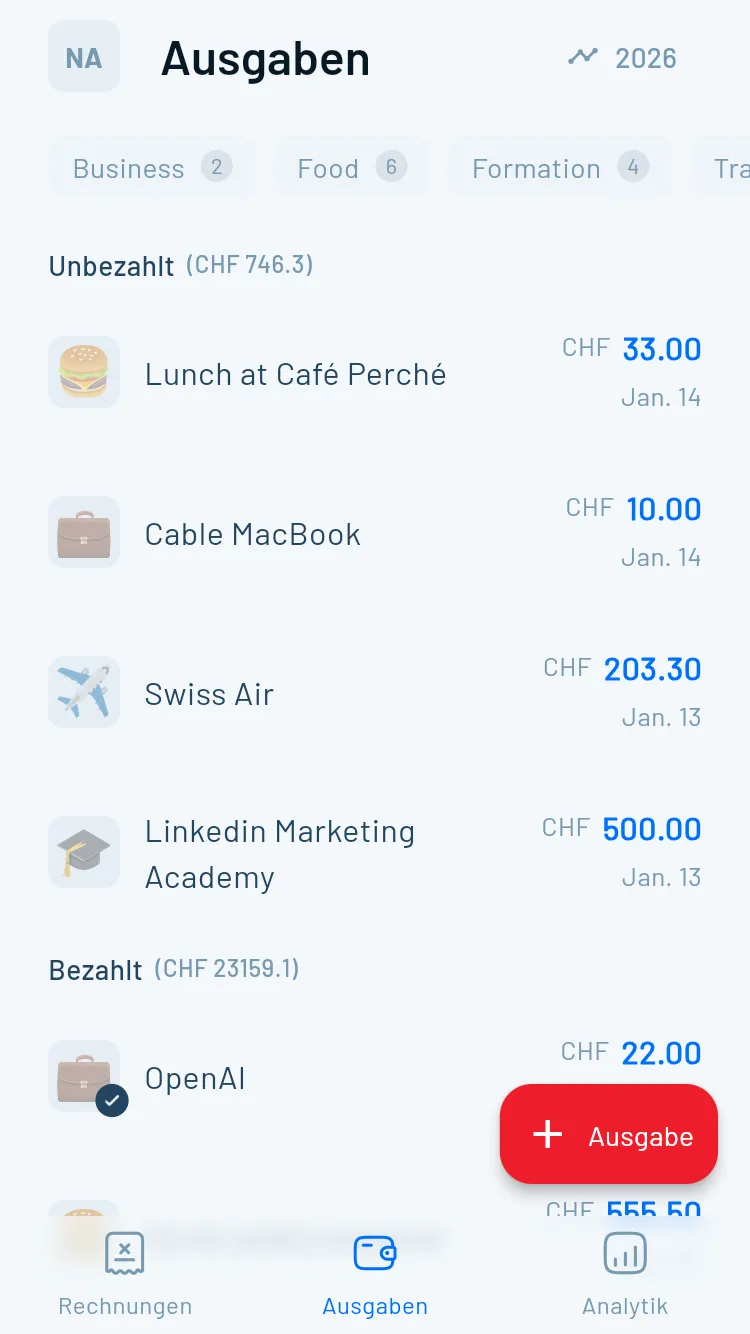
Kurzantwort: Ein Buchungsbeleg ist in der Schweiz das Dokument, mit dem Sie einen Geschäftsvorfall nachweisen und einer Buchung zuordnen. Das kann eine Lieferantenrechnung sein, eine Quittung, ein Kassenbon, ein Bank- oder Kreditkartenbeleg, eine Ausgangsrechnung, eine Gutschrift oder in gewissen Ausnahmefällen auch ein interner Ersatzbeleg. Entscheidend ist nicht der Dateityp, sondern ob ein sachverständiger Dritter später noch versteht, was passiert ist, wann es passiert ist, um welchen Betrag es ging und welcher Beleg zur Buchung gehört.
Für Selbständige in der Schweiz sind vor allem diese Fragen entscheidend:
- Was zählt überhaupt als Buchungsbeleg?
- Reicht ein Bankauszug oder brauche ich zusätzlich die Rechnung?
- Muss ich Belegnummern vergeben?
- Darf ich Papierbelege nur scannen?
- Was mache ich, wenn der Originalbeleg fehlt?
Diese Seite klärt den praktischen Teil
Online wird der Buchungsbeleg oft abstrakt erklärt. In der Praxis geht es aber um viel konkretere Entscheidungen.
Welche Unterlagen wirklich zählen
Rechnung, Quittung, Kontoauszug, Gutschrift oder Eigenbeleg?Was auf dem Beleg stehen sollte
Damit die Buchung später noch nachvollziehbar bleibtWann digital genügt
Scans, Cloud-Ordner und elektronische Archivierung in der SchweizWas andere Sprachräume betonen
Buchungsbeleg, pièce comptable, documento contabile, supporting documentWas ist ein Buchungsbeleg?
Ein Buchungsbeleg ist der Nachweis, dass ein Geschäftsvorfall tatsächlich stattgefunden hat und korrekt verbucht werden darf. Ohne diese Beleglogik wird Buchhaltung schnell unklar, gerade bei Rückfragen vom Treuhänder, bei MWST-Themen oder bei einer späteren Kontrolle.
Externer Beleg
Zum Beispiel eine Lieferantenrechnung, ein Kassenbon, ein Bank- oder Kreditkartenbeleg.
Interner Beleg
Zum Beispiel eine Ausgangsrechnung, eine Gutschrift oder eine interne Umbuchungsunterlage.
Belegnummer
Sie verbindet Dokument und Buchung, damit beides später schnell wiedergefunden wird.
Prüfspur
Eine gute Buchhaltung zeigt lückenlos vom Beleg zur Buchung und wieder zurück.
Was andere Seiten in DE, FR, IT und EN schreiben
Die Recherche über mehrere Sprachräume zeigt: Die Begriffe unterscheiden sich, aber die Logik bleibt fast identisch.
- Deutsch: Beiträge wie jene von bexio, Run my Accounts und WEKA betonen vor allem den Grundsatz „Keine Buchung ohne Beleg“, die Prüfspur zur Buchung und die Frage, welche Angaben ein Beleg mindestens enthalten sollte.
- Französisch: Bei pièce comptable liegt der Schwerpunkt stärker auf der Verbindung zwischen Dokument und écriture comptable. Quellen wie bexio nennen ausdrücklich reçus, tickets de caisse, relevés de carte bancaire, factures, notes de frais und bulletins de salaire.
- Italienisch: In der Praxis rund um documento contabile oder das Arbeiten im libro giornale wird besonders betont, dass der numero di documento mit dem zugeordneten Beleg zusammenpassen sollte, damit man die Unterlage nach der Buchung sofort wiederfindet.
- Englisch: Schweizer Leitfäden zu supporting documents nennen meist supplier invoices, receipts, bank statements, customer invoices, online payment receipts und contracts als Kernunterlagen einer sauberen Buchhaltung.
Für Suchende in der Schweiz ist das nützlich: Auch wenn jemand auf Deutsch nach Buchungsbeleg sucht, behandelt die französische, italienische und englische Fachwelt im Kern dieselbe Frage, nämlich welche Unterlagen einen Geschäftsvorfall glaubwürdig und prüfbar machen.
Wenn Sie stärker die chronologische Sicht auf dieselben Vorgänge verstehen möchten, lesen Sie dazu auch Buchungsjournal Schweiz.
Welche Dokumente gelten in der Schweiz typischerweise als Buchungsbeleg?
Die kurze Antwort lautet: mehr, als viele denken. Ein Buchungsbeleg ist nicht nur eine klassische Rechnung.
Was gilt meist als Buchungsbeleg und was eher nicht?
Die Tabelle zeigt die praktische Einordnung für Schweizer Selbständige und kleine Unternehmen.
| Dokument | Gilt meist als Buchungsbeleg? | Wichtiger Hinweis |
|---|---|---|
| Lieferantenrechnung | Ja | Klassischer Fremdbeleg für Ausgaben und Verbindlichkeiten. |
| Quittung oder Kassenbon | Ja | Gut lesbar archivieren; Thermopapier früh scannen oder kopieren. |
| Bank- oder Kreditkartenbeleg | Ja, oft ergänzend | Zeigt den Zahlungsfluss, erklärt aber nicht immer alleine den Geschäftszweck. |
| Ausgangsrechnung an Kunden | Ja | Interner Beleg für Umsatz und Forderung. |
| Gutschrift oder Storno-Unterlage | Ja | Wichtig, um Korrekturen sauber zu belegen. |
| Spesenbeleg | Ja | Typisch zusammen mit Quittung, Rechnung oder Kartenbeleg. |
| Vertrag ohne Zahlungsvorgang | Teilweise | Oft wichtig als Zusatzunterlage, aber nicht immer der alleinige Buchungsbeleg. |
| Eigenbeleg bei verlorenem Original | Nur ausnahmsweise | Hilft als Ersatz, ist aber schwächer als ein Originalbeleg und für Vorsteuer heikel. |
Der wichtige Unterschied: Zahlungsnachweis ist nicht immer schon der ganze Beleg
Viele Probleme entstehen, weil Bankauszug und eigentlicher Geschäftsgrund miteinander verwechselt werden.
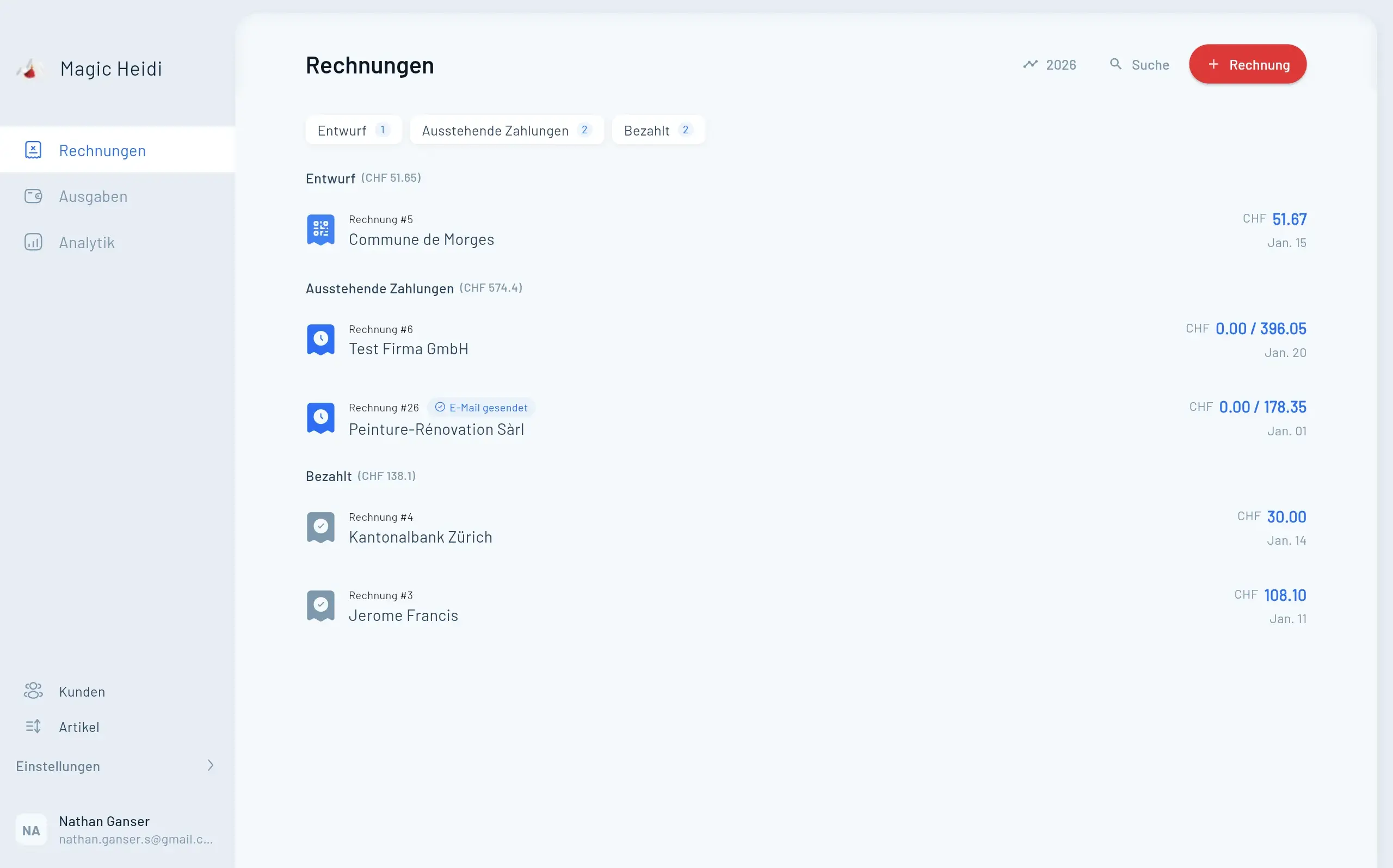
Ein Bankauszug beweist oft, dass Geld geflossen ist. Er erklärt aber nicht immer vollständig, wofür. Genau deshalb reicht bei vielen Transaktionen der reine Zahlungsnachweis allein nicht aus.
Ein paar typische Beispiele:
- Eine Kreditkartenzahlung zeigt den Betrag und den Händler, aber nicht immer genug Details zur konkreten Leistung.
- Eine TWINT- oder Stripe-Zahlung zeigt den Eingang, aber für die Buchhaltung ist oft zusätzlich die Kundenrechnung oder Zahlungsbestätigung relevant.
- Ein Bankbeleg für eine Miete oder Versicherung ist viel stärker, wenn die zugehörige Rechnung oder Police ebenfalls sauber abgelegt ist.
Die praktische Faustregel lautet deshalb:
Ein guter Buchungsbeleg erklärt den Geschäftsvorfall. Ein guter Zahlungsbeleg erklärt den Geldfluss. Oft brauchen Sie beides zusammen.
Was auf einem guten Buchungsbeleg stehen sollte
Nicht jede Quittung sieht perfekt aus. Trotzdem wiederholen Schweizer Fachquellen sehr ähnliche Mindestgedanken: Ein Beleg oder der dazugehörige Buchungssatz sollte den Vorgang klar, vollständig und nachprüfbar machen.
Diese Angaben machen einen Beleg wirklich brauchbar
Nicht jede Information muss zwingend auf demselben Blatt stehen, aber im Zusammenspiel von Dokument und Buchung sollte alles klar sein.
Datum
Der Geschäftsvorfall muss zeitlich eindeutig einordenbar sein.
- Ausstellungs- oder Leistungsdatum
- bei Bedarf Buchungsdatum ergänzen
- für periodengerechte Zuordnung wichtig
Beteiligte Parteien
Es sollte erkennbar sein, wer liefert, verrechnet oder bezahlt.
- Lieferant oder Kunde
- bei internen Belegen klare Zuordnung
- keine unklaren Sammelangaben
Geschäftsvorfall
Der Beleg muss verständlich machen, worum es wirtschaftlich ging.
- Beschreibung der Leistung oder Ware
- bei Spesen Anlass oder Zweck ergänzen
- keine blossen Fantasie-Kürzel
Betrag und Währung
Ohne klaren Betrag ist der Beleg für die Buchung kaum nutzbar.
- Brutto- oder Nettobetrag nachvollziehbar
- Währung sichtbar
- bei MWST-Fällen sauber zuordenbar
Belegnummer oder klare Referenz
Besonders DE- und FR-Quellen betonen die Zuordnung von Dokument und Buchung über eine eindeutige Referenz.
- fortlaufende Nummer oder stabiles Schema
- Buchung und Beleg zusammen auffindbar
- prüfbar auch Monate später
Müssen alle diese Angaben auf jedem Dokument perfekt stehen?
Nicht immer. Ein kleiner Kassenbon liefert oft weniger Informationen als eine saubere Lieferantenrechnung. In der Praxis zählt deshalb das Gesamtbild aus Beleg, Buchung und Ablage.
Beispiel: Wenn auf dem Kartenbeleg nur ein Händlername und ein Betrag stehen, kann Ihre Buchhaltung trotzdem sauber sein, wenn zusätzlich die richtige Rechnung, ein kurzer Buchungstext und eine klare Belegnummer vorhanden sind.
Was das Schweizer Recht praktisch verlangt
Das KMU-Portal des Bundes hält fest:
- Juristische Personen sowie Einzelunternehmen und Personengesellschaften ab CHF 500'000 Umsatz unterliegen der ordentlichen Buchführung.
- Einzelunternehmen und Personengesellschaften unter CHF 500'000 Umsatz müssen mindestens eine vereinfachte Buchhaltung führen.
- Buchungsbelege und verbundene Unterlagen sind grundsätzlich 10 Jahre aufzubewahren.
Wichtig ist dabei: Auch die vereinfachte Buchhaltung befreit nicht von der Beleglogik. Schweizer Fachbeiträge zur einfachen Buchhaltung betonen ausdrücklich den Belegnachweis für die einzelnen Buchungsvorgänge. Für Selbständige heisst das praktisch:
Auch wenn Sie keine komplexe doppelte Buchhaltung führen, brauchen Sie für Einnahmen und Ausgaben trotzdem eine nachvollziehbare Belegspur.
Gerade im Alltag hängen daran Themen wie Buchhaltung Schweiz, Kassenbuch Schweiz und Debitorenbuchhaltung Schweiz.
Wann reicht ein Scan und was ist bei digitaler Ablage wichtig?
Die Schweiz erlaubt elektronische Aufbewahrung, aber nicht jede Ablage ist automatisch stark genug für eine saubere Prüfspur.
Zugriff muss möglich bleiben
Unterlagen und zugehörige Daten müssen während der Aufbewahrungsfrist zugänglich und lesbar bleiben.
Änderungen müssen erkennbar sein
Bei veränderbaren Dateien muss die Integrität der Informationen gesichert sein.
Vollständige Digitalisierung
Praxisquellen empfehlen, auch Rückseiten und relevante Details sauber mitzuscannen.
Cloud allein ist nicht automatisch genug
Ein normaler Ordner hilft operativ, ersetzt aber nicht von selbst eine belastbare Archivlogik.
Das offizielle englische Merkblatt des SME Portals sagt klar: Buchhaltungsunterlagen dürfen auf Papier, elektronisch oder in vergleichbarer Form aufbewahrt werden, solange der Zugriff auf die Transaktionen gesichert ist und die Unterlagen jederzeit lesbar bleiben. Für veränderbare elektronische Daten verlangt die Schweizer Regelung zusätzliche Integritätssicherung, etwa über nachvollziehbare technische Verfahren und Protokolle.
Für Selbständige bedeutet das ganz praktisch:
- Ein Scan kann völlig sinnvoll sein.
- Ein Foto auf dem Handy ohne klare Ablage ist noch keine gute Buchhaltung.
- Ein gemeinsames Schema für Dateinamen, Belegnummern und Zuordnung zur Buchung ist oft wichtiger als teure Komplexität.
- Wenn Sie kein sauberes Archivsystem haben, ist es vernünftig, Originalbelege zusätzlich aufzubewahren.
Thermopapier-Belege sind besonders heikel, weil sie mit der Zeit unlesbar werden können. Wer häufig mit solchen Belegen arbeitet, sollte sie früh digitalisieren oder kopieren.
Was tun, wenn der Originalbeleg fehlt?
Hier wird es heikel. Schweizer Praxisquellen wie Run my Accounts weisen darauf hin, dass ein Eigenbeleg oder Notbeleg in Ausnahmefällen als Ersatz dienen kann, wenn ein Original verloren gegangen ist. Gleichzeitig wird klar gesagt: Das ist eine Notlösung, kein Normalzustand. Für Vorsteuerfragen ist ein Eigenbeleg besonders schwach.
Eine sinnvolle Eigenbeleg-Notiz sollte mindestens erklären:
- Datum des Vorgangs
- Betrag
- Zahlungsempfänger oder Gegenpartei
- Zweck der Ausgabe
- warum der Originalbeleg fehlt
- wer den Ersatzbeleg erstellt hat
Wenn verlorene Belege bei Ihnen regelmässig vorkommen, liegt das Problem selten im fehlenden Formular, sondern im Prozess. Dann lohnt sich ein einfaches, konsequentes System mehr als jede spätere Rettungsaktion.
Typische Fehler bei
Buchungsbelegen
Die meisten Probleme entstehen nicht bei grossen Jahresabschlussthemen, sondern im alltäglichen Umgang mit kleinen Unterlagen.
Dann fehlt später oft die eigentliche Erklärung des Geschäftsvorfalls
Ohne Nummer oder Referenz wird jede Rückfrage unnötig mühsam
Fotos in WhatsApp, Mail und Download-Ordnern sind noch keine verlässliche Ablage
Wenn der Text verblasst, ist der Beleg im entscheidenden Moment oft wertlos
So organisieren Selbständige ihre Buchungsbelege am sinnvollsten
Die beste Lösung ist meistens nicht die theoretisch eleganteste, sondern die, die im Alltag wirklich durchgezogen wird.
Ein praxistauglicher Minimalprozess sieht oft so aus:
- Beleg sofort erfassen statt später zusammensuchen.
- Eindeutig benennen oder nummerieren.
- Mit Buchung, Rechnung oder Zahlung verknüpfen.
- Monatlich oder laufend ablegen, nicht nur einmal pro Jahr.
- Sonderfälle markieren, etwa Eigenbelege, Korrekturen oder fehlende Originale.
Wer diese fünf Punkte sauber löst, hat meist schon 80 Prozent des Problems im Griff.
Wann Magic Heidi gut passt
Für Schweizer Freelancer und kleine Selbständige ist das Ziel selten ein riesiges Archivprojekt. Meist geht es darum, Rechnungen, Quittungen, Ausgaben und Zahlungshinweise so zu erfassen, dass die Buchhaltung später ohne Sucherei nachvollziehbar bleibt.
Genau dort ist eine einfache digitale Routine oft wertvoller als ein schweres System: Beleg erfassen, sauber zuordnen, im Alltag wiederfinden.
Häufige Fragen zu Buchungsbeleg Schweiz
Ist jede Rechnung automatisch ein Buchungsbeleg?
Oft ja, aber nicht nur Rechnungen zählen. Auch Quittungen, Kassenbons, Bankbelege, Ausgangsrechnungen, Gutschriften oder in Ausnahmefällen Eigenbelege können Buchungsbelege sein. Entscheidend ist, ob der Geschäftsvorfall sauber nachgewiesen wird.
Reicht ein Bankauszug allein als Buchungsbeleg?
Nicht immer. Ein Bankauszug zeigt meist den Geldfluss, aber nicht zwingend den vollständigen Geschäftszweck. In vielen Fällen ist zusätzlich die Rechnung, Quittung oder eine andere Erläuterung sinnvoll oder nötig.
Brauche ich eine Belegnummer?
Für eine saubere Praxis ist das sehr empfehlenswert. Schweizer DE- und FR-Quellen betonen, dass Dokument und Buchung schnell zueinander gefunden werden müssen. Eine fortlaufende oder klar strukturierte Belegnummer hilft genau dabei.
Darf ich Papierbelege nach dem Scannen vernichten?
Grundsätzlich kann elektronische Aufbewahrung in der Schweiz zulässig sein, wenn Zugriff, Lesbarkeit und Integrität gesichert sind. Wenn Ihr Prozess diese Anforderungen nicht sauber erfüllt, ist es vernünftig, Originalbelege zusätzlich aufzubewahren.
Wie lange muss ich Buchungsbelege aufbewahren?
Grundsätzlich zehn Jahre. Diese Frist ergibt sich aus Art. 958f OR und beginnt mit dem Ende des Geschäftsjahres.
Was ist ein Eigenbeleg?
Ein Eigenbeleg ist ein intern erstellter Ersatzbeleg, wenn ein Original fehlt. Er ist eine Notlösung und sollte sparsam verwendet werden. Für Vorsteuerfragen ist er deutlich schwächer als ein Originalbeleg.
Brauche ich als Einzelfirma unter CHF 500'000 trotzdem Buchungsbelege?
Ja. Auch bei vereinfachter Buchhaltung müssen Einnahmen, Ausgaben und die Vermögenslage nachvollziehbar bleiben. Ohne Belegspur wird das schnell problematisch.
Belege sauber im Griff statt später zusammensuchen
Mit Magic Heidi erfassen Sie Rechnungen, Ausgaben und Zahlungsunterlagen so, dass der Zusammenhang zum Geschäftsvorfall im Alltag erhalten bleibt.

Weiterführend:
- Buchungsjournal Schweiz →
- Buchungssatz Schweiz →
- Kassenbuch Schweiz →
- Buchhaltung Schweiz →
- Debitorenbuchhaltung Schweiz →
- Rechnung Schweiz →
Quellen: KMU-Portal zur Buchhaltungspflicht · KMU-Portal zur elektronischen Aufbewahrung · bexio Beleg (DE) · bexio Pièce comptable (FR) · Run my Accounts: Was ist ein Buchungsbeleg? · Banana Contabilità: Come iniziare · Findea: Supporting documents in Switzerland
Zuletzt aktualisiert: April 2026.