 Magic Heidi
 Bitcoin-Preis heute: Live-Kurse in CHF, EUR & USD
Aktuelle Bitcoin-Preise mit 12-Monats-Chart. Wandeln Sie CHF sofort in BTC um und verstehen Sie, was die weltweit führende Kryptowährung antreibt.
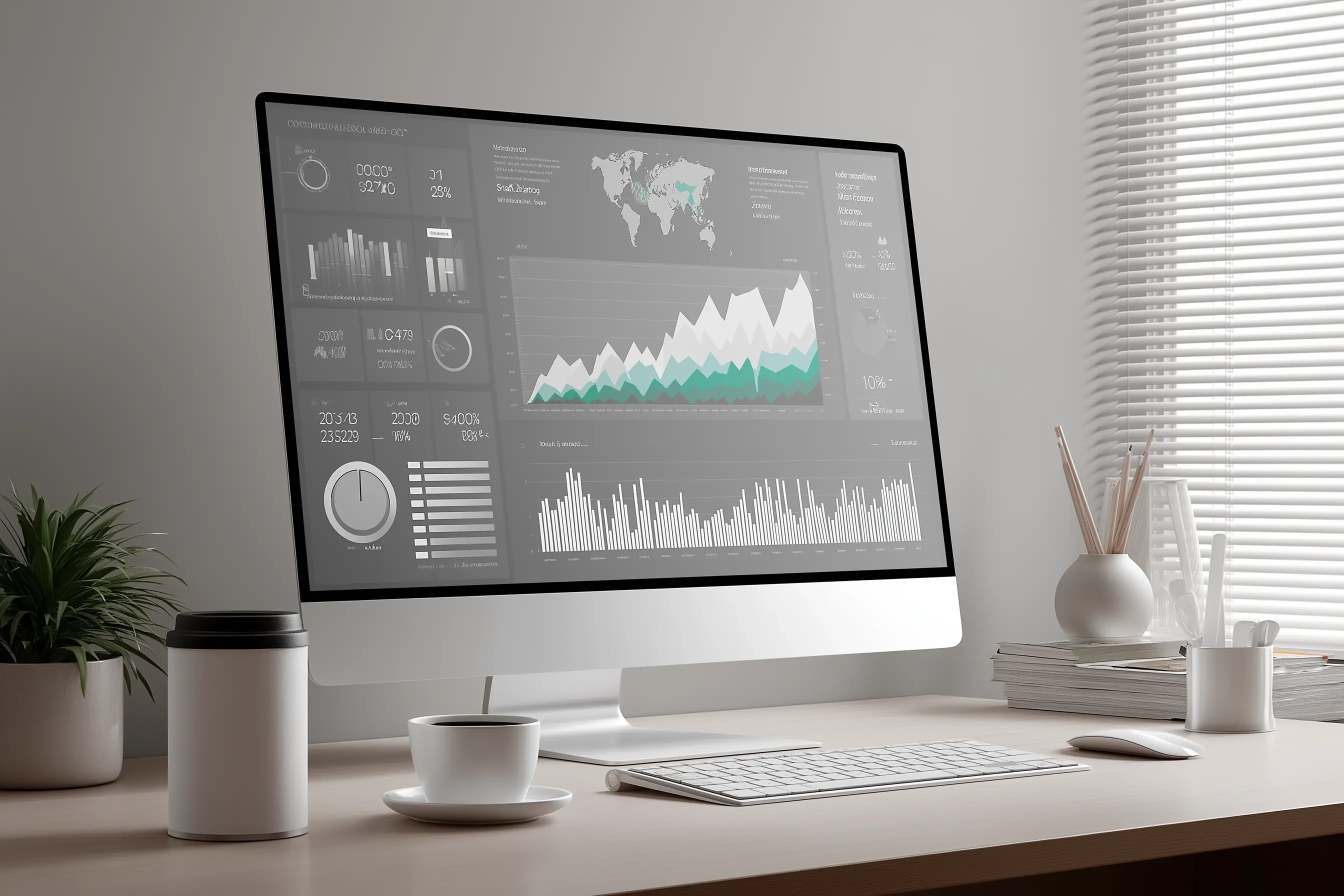
Bitcoin ist die weltweit erste und wertvollste Kryptowährung, die in einem dezentralen Netzwerk ohne Banken oder Regierungen funktioniert. Für Schweizer Anleger und Unternehmen ist die Verfolgung des Bitcoin-Preises in CHF unerlässlich — ob Sie eine Position aufbauen, Krypto-Zahlungen akzeptieren oder den Markt für digitale Vermögenswerte beobachten.
Diese Seite bietet Live-Bitcoin-Preise aus internationalen Devisenmärkten, die täglich aktualisiert werden.
Bitcoin als digitaler Wertspeicher
Seit seiner Schaffung im Jahr 2009 hat sich Bitcoin von einem kryptographischen Experiment zu einer Billionen-Dollar-Anlageklasse entwickelt. 2026 beschleunigt sich die institutionelle Übernahme weiter.
Dezentralisiert
Keine einzelne Instanz kontrolliert Bitcoin — es läuft auf einem globalen Netzwerk aus Tausenden von Knoten
Begrenztes Angebot (21M)
Es werden nur jemals 21 Millionen BTC existieren — das knappste digitale Gut aller Zeiten
Wertspeicher
Oft als «digitales Gold» bezeichnet, hat Bitcoin in den letzten zehn Jahren jede traditionelle Anlageklasse übertroffen
Globale Zugänglichkeit
Jeder mit Internetzugang kann Bitcoin senden oder empfangen — rund um die Uhr, grenzenlos, erlaubnisfrei
Warum die Schweiz die Krypto-Hauptstadt der Welt ist
Vom Crypto Valley in Zug bis zu regulierten Krypto-Banken — die Schweiz führt die globale Kryptowährungs-Adoption und Innovation an.
Kryptofreundliche Regulierung
Die Schweiz war eines der ersten Länder, das einen klaren rechtlichen Rahmen für Kryptowährungen geschaffen hat. Die FINMA bietet regulatorische Klarheit, die Blockchain-Unternehmen weltweit anzieht.
- FINMA-Richtlinien für ICOs und digitale Vermögenswerte seit 2018
- Crypto Valley in Zug — Heimat von über 1'000 Blockchain-Unternehmen
- Kanton Zug akzeptiert Bitcoin für Steuerzahlungen
- DLT-Gesetz (2021) schafft rechtliche Grundlage für tokenisierte Wertpapiere
Schweizer Krypto-Banken
Die Schweiz beherbergt voll lizenzierte Krypto-Banken — eine Weltpremiere. SEBA Bank und Sygnum Bank besitzen FINMA-Banklizenzen und verbinden traditionelle Finanzen mit digitalen Vermögenswerten.
- SEBA Bank — FINMA-lizenzierte Krypto-Bank seit 2019
- Sygnum Bank — weltweit erste Digital-Asset-Bank
- Bitcoin Suisse — Pionier für Krypto-Finanzdienstleistungen
- PostFinance und Kantonalbanken bauen Krypto-Services aus
Steuerliche Behandlung
Die Schweiz bietet eines der vorteilhaftesten Steuerumfelder für Kryptowährungsinhaber weltweit, insbesondere für Privatanleger.
- Kapitalgewinne auf Krypto sind für Privatpersonen steuerfrei
- Vermögenssteuer gilt — BTC zum Jahresend-Marktwert deklarieren
- Keine Mehrwertsteuer beim Kauf/Verkauf von Bitcoin
- Gewerbsmässiger Handel kann einkommenssteuerpflichtig sein
Bitcoin kaufen in der Schweiz
Die Schweiz bietet mehr regulierte Wege zum Bitcoin-Kauf als fast jedes andere Land — von lizenzierten Krypto-Banken bis zu Bitcoin-Automaten an jeder Ecke.

Wege Bitcoin in der Schweiz zu kaufen
Jede Methode hat unterschiedliche Gebührenstrukturen, Verifizierungsanforderungen und Komfortstufen.
Krypto-Börsen
Nutzen Sie Plattformen wie Bitcoin Suisse, Lykke oder internationale Börsen (Kraken, Coinbase). KYC erforderlich, wettbewerbsfähige Gebühren.
Schweizer Bank-Krypto
Kaufen Sie BTC direkt über SEBA, Sygnum oder PostFinance. Reguliert, versichert, in Ihr Bankkonto integriert.
Bitcoin-Automaten
Die Schweiz hat über 200 Bitcoin-Automaten (die meisten pro Kopf weltweit). Kaufen Sie BTC mit Bargeld oder Karte — teilweise ohne Ausweis für kleine Beträge.
DCA-Sparpläne
Richten Sie wiederkehrende Bitcoin-Käufe (Dollar-Cost-Averaging) über Dienste wie Relai, Pocket Bitcoin oder Bitcoin Suisse ein.
Steuerliche Behandlung von Bitcoin in der Schweiz
Bitcoin als Privatvermögen:
- Kapitalgewinne sind für Privatpersonen steuerfrei (sofern nicht als gewerbsmässiger Handel eingestuft)
- Vermögenssteuer gilt: BTC-Bestände zum offiziellen Jahresend-Wechselkurs der Eidgenössischen Steuerverwaltung deklarieren
- Keine Mehrwertsteuer beim Kauf oder Verkauf von Bitcoin
Kriterien für gewerbsmässigen Handel:
- Hohe Transaktionsfrequenz, kurze Haltefristen, gehebelter Handel oder Krypto-Einkommen, das das Gehalt übersteigt, können zur Einstufung als gewerbsmässiger Händler führen
- Gewerbsmässige Händler zahlen Einkommenssteuer auf Krypto-Gewinne
Staking- und Mining-Einkommen:
- Mining-Einkommen ist als selbständiges Erwerbseinkommen steuerpflichtig
- Staking-Erträge gelten grundsätzlich als steuerpflichtiges Einkommen zum Zeitpunkt des Erhalts
Wichtige Regel: Deklarieren Sie Ihre Bitcoin-Bestände immer zum Marktwert am 31. Dezember für die Vermögenssteuer. Die Eidgenössische Steuerverwaltung veröffentlicht jährlich offizielle Kryptowährungs-Wechselkurse.
Häufig gestellte Bitcoin-Fragen
Was ist Bitcoin?
Bitcoin (BTC) ist eine dezentrale digitale Währung, die 2009 vom pseudonymen Satoshi Nakamoto geschaffen wurde. Sie funktioniert in einem Peer-to-Peer-Netzwerk mit Blockchain-Technologie — einem öffentlichen, unveränderlichen Register, das alle Transaktionen aufzeichnet. Im Gegensatz zu traditionellen Währungen hat Bitcoin keine zentrale Autorität und eine feste Obergrenze von 21 Millionen Münzen.
Ist Bitcoin in der Schweiz legal?
Ja, Bitcoin ist in der Schweiz vollständig legal. Das Land verfügt über einen der fortschrittlichsten regulatorischen Rahmen für Kryptowährungen weltweit. Die FINMA (Eidgenössische Finanzmarktaufsicht) klassifiziert Bitcoin als «Zahlungstoken». Sie können Bitcoin frei kaufen, verkaufen, halten und ausgeben. Der Kanton Zug akzeptiert sogar Bitcoin für Steuerzahlungen.
Wie wird Bitcoin in der Schweiz besteuert?
Für Privatanleger sind Bitcoin-Kapitalgewinne steuerfrei — Sie zahlen keine Steuer, wenn Sie BTC mit Gewinn verkaufen. Ihre Bitcoin-Bestände müssen jedoch für die Vermögenssteuer zum Jahresend-Marktwert deklariert werden. Die Eidgenössische Steuerverwaltung veröffentlicht offizielle Krypto-Wechselkurse. Wenn Sie professionell handeln (hohe Frequenz, Hebel, Krypto als Haupteinkommen), können Gewinne als Einkommen besteuert werden.
Wie bewahre ich Bitcoin sicher auf?
Die sicherste Art, Bitcoin aufzubewahren, ist eine Hardware-Wallet (wie Ledger oder Trezor), bei der Sie die privaten Schlüssel kontrollieren. Für Komfort bieten regulierte Schweizer Plattformen wie SEBA oder Sygnum versicherte Verwahrung an. Lassen Sie nie grosse Beträge auf Börsen. Verwenden Sie starke Passwörter, aktivieren Sie 2FA und sichern Sie Ihre Seed-Phrase offline.
Ist Bitcoin 2026 eine gute Anlage?
Bitcoin war die leistungsstärkste Anlageklasse der letzten 15 Jahre, aber vergangene Performance garantiert keine zukünftigen Ergebnisse. Positive Faktoren sind zunehmende institutionelle Übernahme, Bitcoin-ETFs, das Halving 2024, das das Angebotswachstum reduziert, und wachsende Anerkennung als digitales Gold. Allerdings bleibt Bitcoin volatil. Die meisten Finanzberater empfehlen 1-10% eines diversifizierten Portfolios in Bitcoin, je nach Risikotoleranz.
Was treibt den Bitcoin-Preis?
Wichtige Faktoren sind Angebots- und Nachfragedynamiken (festes Angebot von 21M, Halving-Ereignisse ca. alle 4 Jahre), institutionelle Übernahme (ETFs, Unternehmens-Treasuries), makroökonomische Bedingungen (Inflation, Zinsen, Dollar-Stärke), regulatorische Entwicklungen und Marktstimmung. Bitcoin tendiert dazu, in Umfeldern monetärer Expansion und wachsendem Misstrauen gegenüber traditionellen Finanzsystemen gut abzuschneiden.
Verwalten Sie Ihre Krypto & Finanzen mit Magic Heidi
Magic Heidi hilft Schweizer Unternehmen und Freiberuflern bei der Finanzverwaltung — einschliesslich Mehrwährungstransaktionen und Tracking digitaler Vermögenswerte. Behalten Sie den Überblick über Ihre Finanzen mit automatisierter Buchhaltung.

Bitcoin-Preise stammen aus internationalen Devisenmärkten und werden täglich aktualisiert. Die angezeigten Preise sind indikative Spotpreise und können von den Kauf-/Verkaufspreisen der Börsen abweichen. Kryptowährungsinvestitionen bergen erhebliche Risiken — Preise können sehr volatil sein. Dies ist keine Finanzberatung. Für Anlageentscheidungen konsultieren Sie einen qualifizierten Finanzberater.